US raid Venezuela casualties
The government of Cuba has issued a grave and emotional statement regarding the recent US military operation in Venezuela. Cuban authorities confirm that 32 Cuban nationals were killed during the American raid that captured President Nicolas Maduro. The Cuban government strongly condemned the action. In response to the loss of life, Havana has officially declared a two-day period of national mourning. The deceased Cubans are described as “cooperants”—a term often used for Cuban doctors, teachers, and technical advisors working abroad. This announcement dramatically escalates the human and diplomatic cost of the operation, shifting the focus from a political capture to a significant international incident with multiple fatalities.
Cuba Identifies the Victims as Civilian ‘Cooperants’
Cuban officials have framed the deceased as non-combatant civilians. They state the 32 individuals were in Venezuela as part of Cuba’s long-standing international cooperation missions. These missions typically send medical professionals, educators, and engineers to provide services in developing nations. Havana insists these individuals were not soldiers or intelligence agents. They were present in a purely civilian, humanitarian capacity. This characterization, if accepted internationally, paints the US operation as one that caused substantial collateral damage among innocent aid workers. It directly challenges the US narrative of a “surgical, law enforcement” action with minimal unintended consequences, raising serious questions about the operation’s planning and execution.
A Nation in Mourning: Flags at Half-Mast and Public Tributes
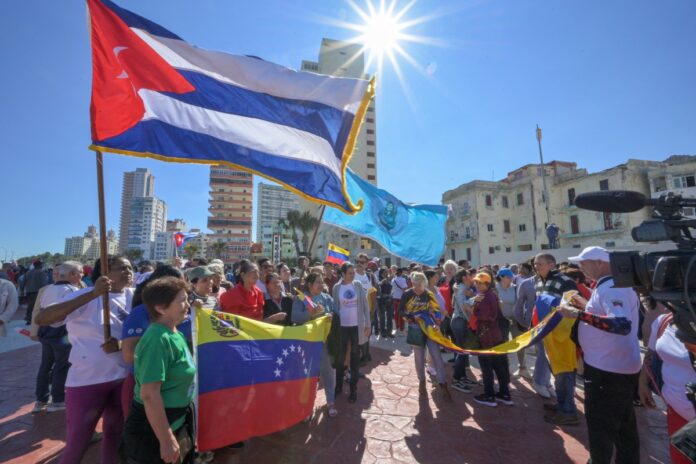
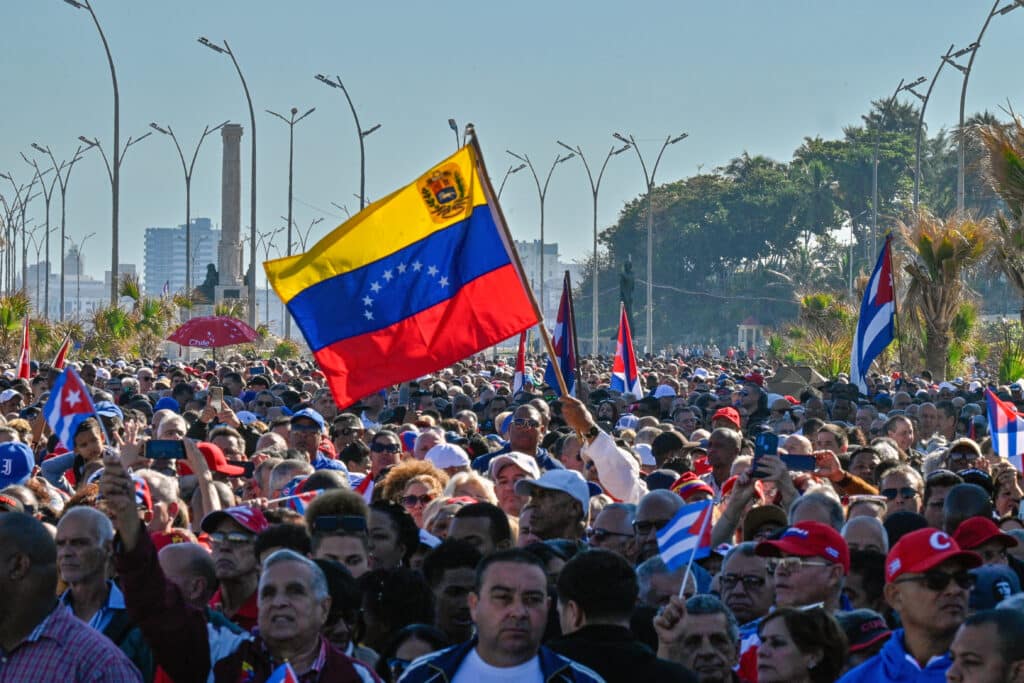
The two-day mourning period is a formal state gesture of deep grief and national solidarity. During this time, the Cuban flag will be flown at half-mast on all public buildings and diplomatic missions worldwide. Official ceremonies and moments of silence are being held across the island. The mourning period serves multiple purposes. It honors the dead and shows support for their families. It also unites the Cuban populace in a shared sense of loss and outrage against a historical adversary, the United States. This collective mourning reinforces the government’s narrative and turns the victims into national martyrs, strengthening domestic political cohesion.
 The Long-Standing Strategic Alliance Between Cuba and Venezuela
The presence of a large number of Cubans in Venezuela is not accidental. It stems from a deep, strategic alliance forged between the two socialist governments over two decades. Since the late Hugo Chávez came to power, Cuba has sent tens of thousands of professionals to Venezuela. In return, Venezuela has provided Cuba with heavily subsidized oil, which is vital for the island’s energy-starved economy. This relationship is both economic and ideological. Cuban advisors are embedded in many sectors of Venezuelan society, including healthcare, education, and even some state security functions. The deaths of 32 Cubans represent a direct blow to this critical pillar of Cuba’s foreign policy and economic survival.
Havana’s Fierce Diplomatic Condemnation and Demands
The Cuban government has launched a fierce diplomatic offensive. It has denounced the US raid at the United Nations as an illegal act of aggression and a violation of international law. It accuses the United States of “state terrorism” for causing the deaths of its civilians. Cuba is demanding a full, independent investigation into the incident. It is also calling for the immediate repatriation of the bodies of the deceased. Furthermore, it is urging the international community to condemn the US action and hold it accountable. This response aims to marshal global opinion, particularly in Latin America and the Non-Aligned Movement, to isolate the United States diplomatically.
The Complication for US Narratives and Global Perception
The reported deaths of 32 Cuban civilians severely complicates the US government’s messaging. It directly undermines claims of a clean, precise operation. It provides powerful ammunition to critics who argue the action was reckless and violated humanitarian norms. Images of Cuban mourning and funeral processions will dominate international news, overshadowing the US narrative of capturing a wanted criminal. It forces the US to address uncomfortable questions about the rules of engagement and intelligence failures that led to such a high number of non-combatant deaths in what was described as a targeted mission, damaging US credibility on the world stage.
A Potential Flashpoint for Wider Regional Conflict
This incident dangerously raises the stakes in an already volatile region. Cuba is a close ally of not only Venezuela but also of other left-leaning governments and movements in Latin America. The killing of its citizens could be seen as an attack on the entire “Pink Tide” alliance. It may push Cuba, and potentially other nations like Nicaragua, to provide even greater support to remaining factions of the Maduro government, possibly including military advisors or resources. It hardens positions and makes a negotiated political solution for Venezuela’s future far more difficult. The mourning in Havana may be the prelude to a more confrontational and unstable period in US-Cuba and US-Latin America relations, transforming a bilateral incident into a multilateral crisis.