

By using this site, you agree to the Privacy Policy and Terms of Use.
Accept
The Arabian NewsThe Arabian NewsThe Arabian News
  • Home
  • Business
  • Exclusive
  • Technology
  • Wellness
  • Real Estate
  • Contact
Reading: Saudi Arabia Cracks Down on Commercial Cover-Up: Expat Fined, Faces Deportation
Share
The Arabian NewsThe Arabian News
  • Politics
  • Pursuits
  • Business
  • Technology
  • Home
  • Business
  • Exclusive
  • Technology
  • Wellness
  • Real Estate
  • Contact
Follow US
  • Advertise
© 2022 Foxiz News Network. Ruby Design Company. All Rights Reserved.
alt="Saudi Arabia Cracks Down on Commercial Cover-Up: Expat Fined, Faces Deportation"
The Arabian News > World > Saudi Arabia Cracks Down on Commercial Cover-Up: Expat Fined, Faces Deportation
World

Saudi Arabia Cracks Down on Commercial Cover-Up: Expat Fined, Faces Deportation

admin
SHARE

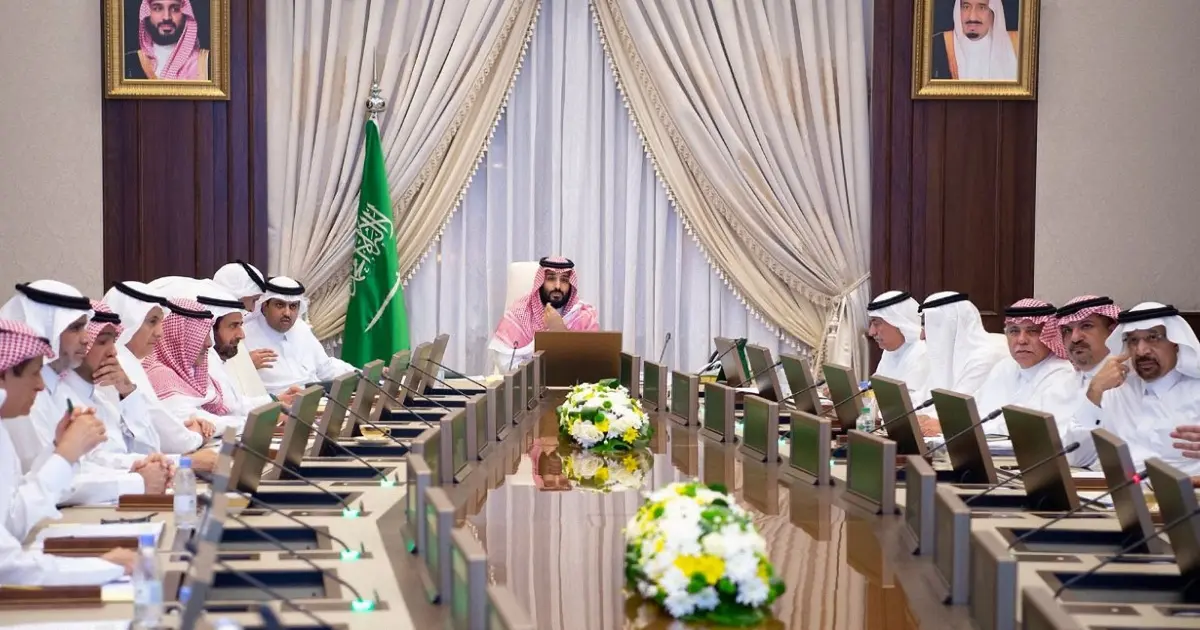
In a bid to curb commercial cover-up, the authorities in Saudi Arabia have slapped a heavy fine and ordered deportation of an expatriate caught running an unlicensed cooling business under the name of a Saudi citizen, violating the country’s Anti-Concealment Law.

Investigations established that the Saudi sponsor was aware of his facilitation of the foreigner’s operation of business ventures without due license. Consequently, the sponsor was also docked and will be taken to court on further charges. The case presents an example of the government’s zero tolerance policy toward illegal business and its seriousness to regulate commercial practices.

The Ministry of Commerce reiterated its warning to citizens and expatriates against engaging in cover-up businesses, saying violators will face severe penalties, including fines, deportation, and business closures. The public is also encouraged to report any suspicious activities to authorities.

Saudi Arabia has been amping up efforts to eliminate commercial cover-ups within its broader scope of economic reforms. The crackdown has been aimed to ensure a fair business environment across the Kingdom by preventing financial crimes and illegal commercial activities.

 

You Might Also Like

Gold Towers & Golf Carts: Inside Trump’s Lavish Ritz-Carlton Abu Dhabi Retreat

Saudi Arabia Bans Foreign Trucks in Public Utility Markets

US Presidential Election: Why Results May Take Days to Confirm

Italy Shudders at Student Killings, Ignites Countrywide Protests Against Femicide

Chinese Embassy in India Extends Visa Fee Reductions Until 2025

TAGGED:Saudi Arabia Cracks Down on Expats
Share This Article
Facebook Twitter Email Print
Previous Article alt="Oman Lashed by Low-Pressure System, Brings Rainfall and Temperature Drop Oman Lashed by Low-Pressure System, Brings Rainfall and Temperature Drop
Next Article alt="Kuwait to Discuss Dual Citizenship Cases with Other Countries" Kuwait to Discuss Dual Citizenship Cases with Other Countries

Popular News

alt="sole-winner-filipino-expat-in-dubai-wins-dh-30-million-big-ticket-jackpot"
Sole Winner: Filipino Expat in Dubai Wins Dh30 Million Big Ticket Jackpot
Exclusive
alt="sheikh-mohammed-meets-leaders-at-zabeel-palace-emphasises-unity-and-prosperity-for-2026"
Sheikh Mohammed Meets Leaders at Zabeel Palace, Emphasises Unity and Prosperity for 2026
Exclusive
alt="weight-loss-pills-wegovy-explained-how-they-work-and-the-risks-according-to-uae-doctors"
Weight Loss Pills Wegovy Explained: How They Work and the Risks, According to UAE Doctors
Wellness
alt="Former US President Donald Trump has made a significant announcement regarding American energy interests in Venezuela. He stated that major United States oil companies are preparing to head into the South American nation. Trump framed the move as a necessary intervention, claiming the firms will work to "fix the badly broken infrastructure" of Venezuela's crippled oil industry. This declaration signals a potential dramatic reversal of long-standing US policy, which has used sanctions to limit dealings with Venezuela's state-owned oil company, PDVSA. If implemented, this plan would represent a multi-billion dollar effort to revive the world's largest proven oil reserves, with profound implications for global energy markets and geopolitics. A Proposed Mission to Revive a Collapsed Industry Venezuela's oil infrastructure is in a state of severe disrepair after years of mismanagement, underinvestment, and US sanctions. Production has plummeted from over 3 million barrels per day two decades ago to less than 500,000 barrels per day recently. Trump's statement suggests that US oil giants like Chevron, ExxonMobil, and ConocoPhillips would lead a large-scale rehabilitation effort. This would involve modernizing dilapidated refineries, repairing thousands of miles of pipelines, and restarting idled oil fields. The goal would be to restore reliable, high-volume production, transforming Venezuela back into a top global exporter and generating crucial revenue for its bankrupt economy. The Geopolitical Shift: From Maximum Pressure to Energy Partnership This announcement marks a stark departure from the "maximum pressure" campaign Trump previously enforced. That policy aimed to financially strangle the Maduro government through severe sanctions on oil exports. The new approach appears to be one of conditional engagement, using American capital and expertise as leverage. By offering to rebuild the industry, the US would gain significant economic influence within Venezuela. It could also reshape global oil flows, reducing the leverage of other players like Russia and China, who have stepped in to work with PDVSA during the sanctions era, realigning strategic interests in the hemisphere. What 'Fixing the Infrastructure' Would Practically Involve The task of fixing Venezuela's oil sector is monumental and would require a decades-long commitment. US companies would need to conduct thorough technical assessments of every major facility. They would have to import specialized equipment and technology currently blocked by sanctions. A massive workforce, combining Venezuelan labor and American engineers, would be required. Critical projects would include the heavy crude upgraders in the Orinoco Belt, the crippled Paraguana Refining Center, and the country's port and export terminals. Success would depend on a stable legal framework guaranteeing investment security, a major political hurdle given Venezuela's history of nationalizations. Potential Benefits for Venezuela's Economy and Population For Venezuela, a successful partnership with US oil firms could be transformative. It could generate tens of billions of dollars in annual export revenue. This money could be used to rebuild the country's collapsed public services, including hospitals, schools, and the power grid. It could fund food imports to alleviate widespread hunger. The project would create hundreds of thousands of direct and indirect jobs. It could stabilize the local currency and begin to reverse the world's worst inflation. However, these benefits hinge on the revenue being managed transparently and for public benefit, not siphoned off by corruption, which has been a historic problem. Major Challenges and Risks for US Companies The risks for any US firm entering this arena are exceptionally high. The political situation remains volatile, with Nicolas Maduro still in power. There is no guarantee that a future Venezuelan government would honor contracts signed today. The threat of asset seizures or re-nationalization is a constant concern. The country's legal system is not considered independent, offering little protection in disputes. Operational security for personnel and assets would be a major challenge in a nation with high crime rates and social unrest. Furthermore, future US administrations could reimpose sanctions, jeopardizing the entire multi-billion dollar investment overnight. Reactions from Caracas and Global Energy Markets The reaction from the Maduro government has been cautiously optimistic but non-committal. Officials have welcomed the prospect of investment but insist any deal must respect Venezuela's sovereignty and existing agreements with Russian and Chinese partners. Global energy markets reacted with immediate interest. Oil prices dipped slightly on the prospect of millions of new barrels eventually entering the market. Shares of US oil majors with historic ties to Venezuela saw modest gains. Competitors in Canada and the Middle East are watching closely, as a resurgent Venezuela could alter long-term supply forecasts and competitive dynamics in the heavy crude market. An Ambitious Plan with an Uncertain Path Forward Donald Trump's announcement outlines an ambitious vision but leaves many critical questions unanswered. What specific US companies are involved, and do they agree with this plan? What legal changes or sanctions waivers are required? What terms would Caracas accept regarding profit-sharing and operational control? While the goal of fixing broken infrastructure is clear, the path to achieving it is fraught with political, legal, and financial obstacles. The statement sets the stage for what could be the most significant re-engagement between the US and Venezuela in half a century, but its realization depends on navigating a minefield of challenges that have defied solutions for years"
Trump Announces US Oil Firms Are Set to Enter Venezuela to ‘Fix Broken Infrastructure’
Exclusive

Recent News

  • US Banks Warn Trump’s Proposed 10% Credit Card Rate Cap Could Reduce Credit Access
  • UAE Dh30 Million Lottery Results Announced for Draw 260110
  • ADCMC Activates New Crisis Centre in Al Dhafra to Boost Emergency Readiness
  • Actor Timothy Busfield Accused of Child Sex Abuse in New Mexico Lawsuit
  • Dubai Launches New ‘Dubai Cycling Pass’ to Boost Tourism and Healthy Living
The Arabian News

Quick Links

  • Home
  • Business
  • Real Estate
  • Contact

Featured Categories

  • Real Estate
  • Wellness
  • Politics
  • Economics

Find Us on Socials

© 2024 The Arabian News. All Rights Reserved.
Welcome Back!

Sign in to your account

Username or Email Address
Password

Lost your password?
