Introduction
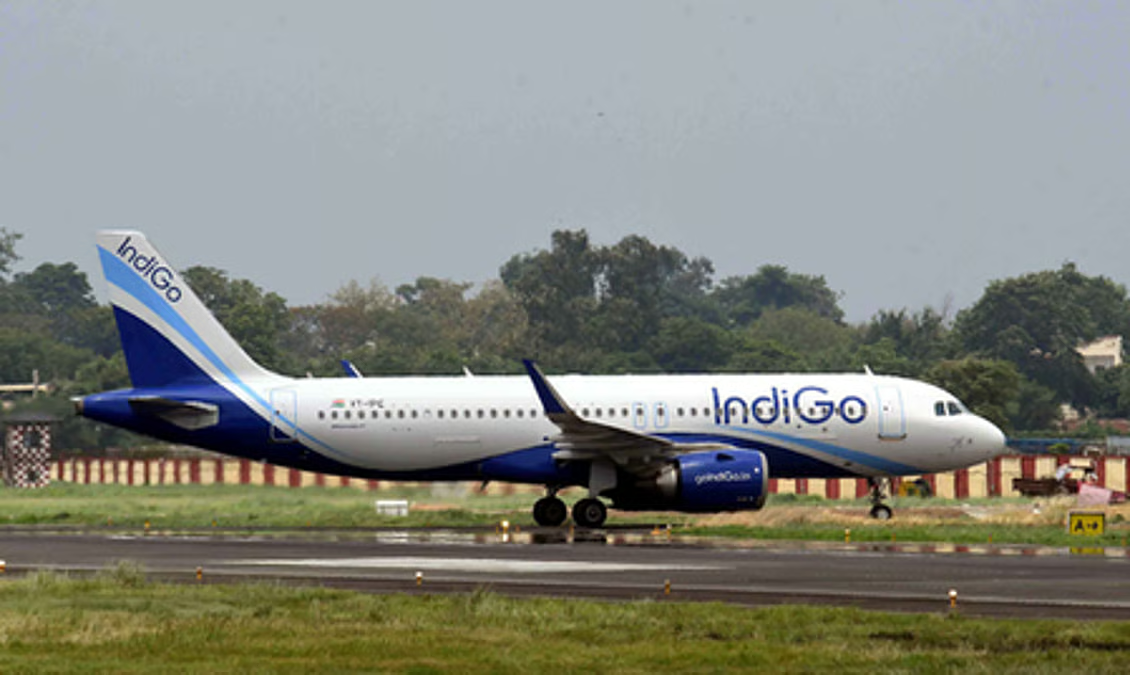
IndiGo cancelled more than 200 flights across India and sparked widespread disruption at major airports. Passengers reported long queues and complained about unanswered queries. Many said the airline failed to provide clear updates. The cancellations continued for a second day and created severe delays across major cities. Travellers in Delhi, Mumbai, Bengaluru, Hyderabad, and Chennai faced confusion and stress as schedules collapsed. Many passengers missed connections, meetings, and family events because the airline offered limited alternatives. The aviation sector came under pressure as IndiGo crews and ground staff struggled to manage crowds. Complaints increased rapidly, and frustration grew as the situation showed little improvement.
Passengers Face Delays
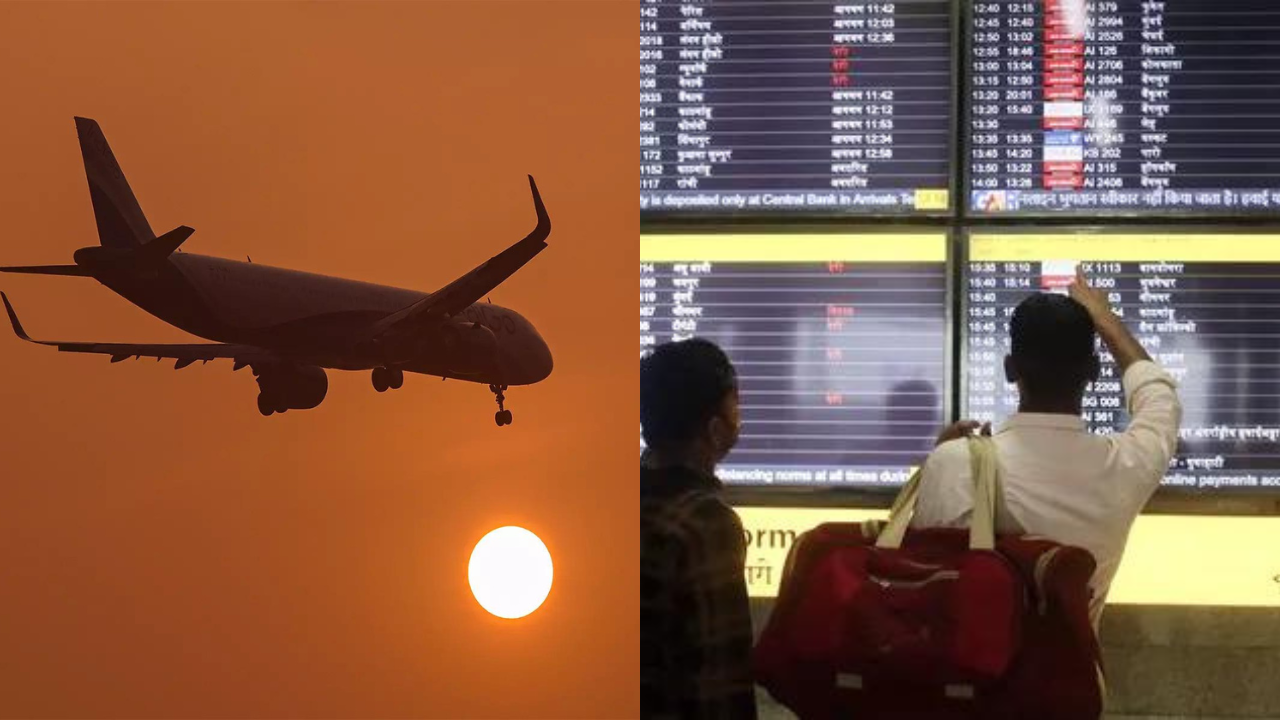
Travellers faced continued uncertainty as cancellations filled departure boards for another day. Several passengers said they waited for hours with no clear communication from the airline. Others said last-minute cancellations left them stranded without hotel options or compensation. Families with children, elderly travellers, and international passengers suffered the most because rebooking efforts moved slowly. The situation worsened during peak travel hours as terminals became crowded and security lines overflowed. Tempers rose as communication gaps deepened. Authorities monitored the crisis closely while passengers demanded accountability and faster responses from the airline.
 Operational and Staffing Challenges
IndiGo’s disruptions sparked speculation about crew shortages and internal scheduling problems. Industry insiders claimed that sudden staff gaps triggered a domino effect across the network. The airline released statements promising stability, but passengers saw little improvement on ground. Analysts warned that long delays and poor communication can damage customer trust. They stressed the need for stronger contingency planning during high-demand travel seasons. Aviation experts noted that even small operational failures can disrupt flights across the country because of the interconnected nature of air travel.
Pressure on India’s Largest Airline
Aviation authorities began reviewing the situation as passenger complaints surged online and at airports. Officials asked IndiGo to explain the mass cancellations and improve traveller support. Passenger rights groups urged strict enforcement of compensation rules. They argued that airlines must take responsibility for large-scale disruptions. The crisis placed India’s aviation sector under scrutiny again and raised concerns about workforce planning and preparedness. IndiGo now faces strong pressure to stabilize operations and restore passenger confidence.