Introduction
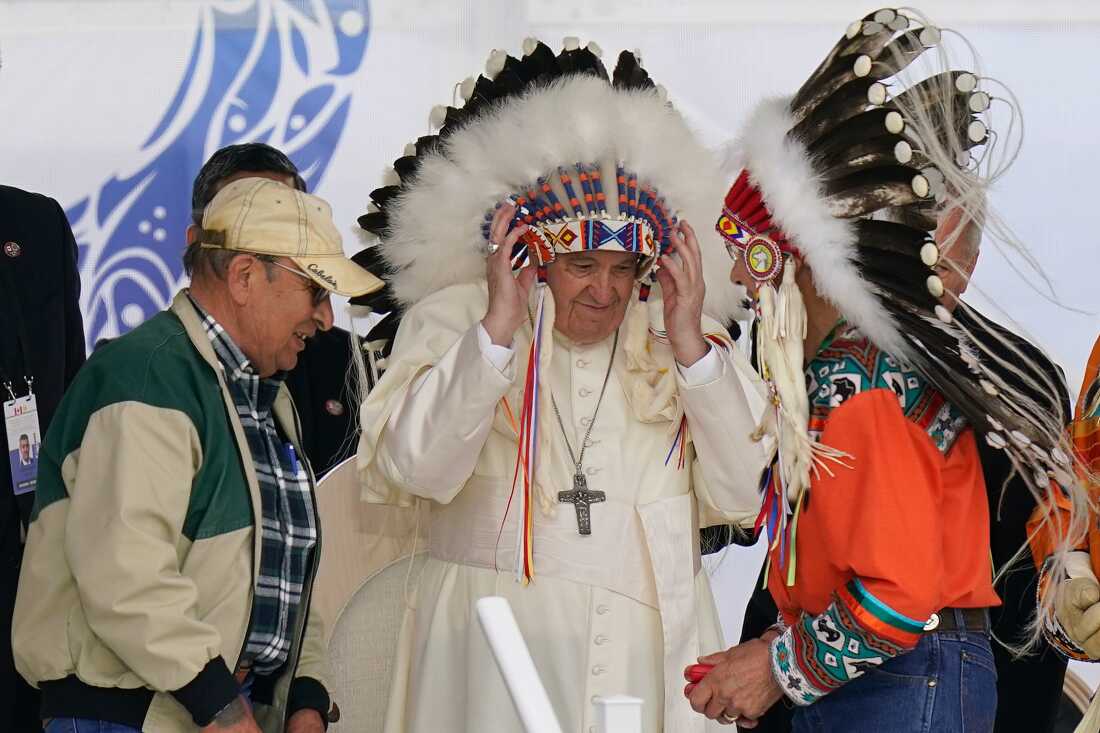
The Vatican returned 62 Indigenous artifacts to Canada this week. The items arrived at a Canadian museum. They are part of a long-awaited cultural repatriation effort. Museum officials welcomed the artifacts and praised the Vatican’s cooperation.
Details of the Returned Artifacts
The collection includes sacred items, ceremonial objects, and historical pieces. Experts confirmed their authenticity. The artifacts hold deep spiritual and cultural significance for Indigenous communities. Each item will eventually return to its original community.
Role of the Canadian Museum
The museum will temporarily house the artifacts. Staff catalogued and preserved the items carefully. Experts prepared exhibitions to educate the public. Museum officials said the display highlights Indigenous culture. They plan to engage communities in future programming.
 Repatriation Process
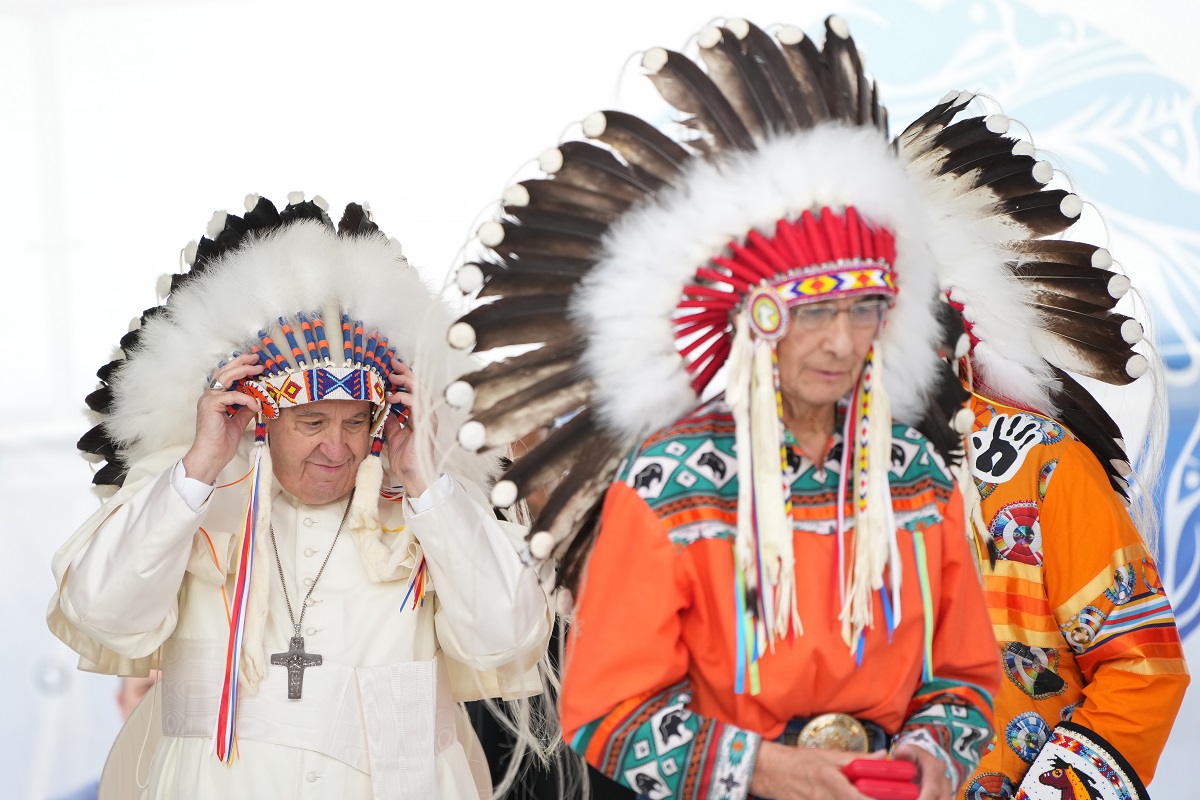
The Vatican and Canadian authorities coordinated for months. Legal agreements and cultural protocols guided the transfer. Each artifact was carefully documented. Indigenous leaders monitored the process. The repatriation reflects respect for cultural heritage.
Impact on Indigenous Communities
The return of artifacts strengthens cultural identity. Community leaders celebrated the restoration of sacred items. Elders said it reconnects youth with traditions. Many ceremonies and teachings will resume with the artifacts present. The act restores trust and recognition.
Global Context of Artifact Repatriation
The Vatican has returned items to other countries in past years. Museums worldwide increasingly repatriate cultural property. Experts see this as part of a growing global trend. The initiative highlights the importance of respecting Indigenous heritage.
Conclusion
The 62 artifacts are now safe in Canada and will eventually return home. The repatriation is a milestone for Indigenous communities. It emphasizes respect, history, and cultural identity. Museums, governments, and institutions continue to work together to preserve heritage.