Introduction
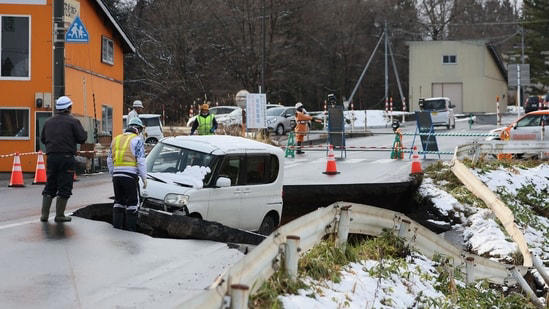
A powerful 6.7-magnitude earthquake struck off northern Japan on Thursday. There is an immediate tsunami warning. It raises fresh concerns about rising seismic activity in the region.
Tsunami Warning Issued
Authorities issued a tsunami warning shortly after the quake struck offshore. The alert urged coastal residents to stay away from the shoreline and move to higher ground. The warning came only three days after a 7.5-level quake hit the same region and left 50 people injured. Officials moved fast to monitor wave activity and assess potential damage across towns and fishing villages.
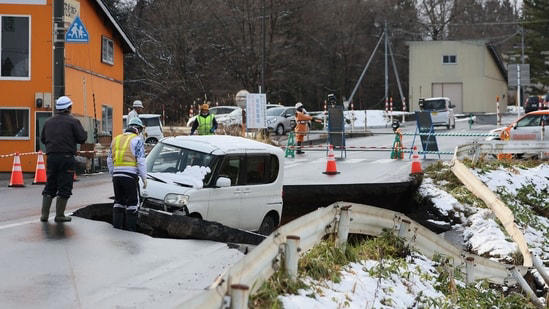
The quake caused strong shaking across several northern prefectures. Local agencies reported no major structural damage in the first few hours. However, emergency teams continued inspecting bridges, tunnels and ports that support the region’s daily transport and trade. Residents said they felt intense but brief shaking that caused items to fall inside many homes.
Region On High Alert
Japan sits on multiple active tectonic plates, making the country one of the world’s most earthquake-prone regions. Experts say the cluster of strong quakes this week may indicate deeper stress along nearby fault lines. They expect aftershocks to continue for several days.
The Japan Meteorological Agency (JMA) increased monitoring around coastal communities already recovering from the earlier 7.5-magnitude quake. Officials asked people to follow updates closely and avoid unnecessary travel near affected areas. Coastal teams also inspected sea walls and flood barriers to ensure they remain secure.
Authorities Assess Damage
The government launched emergency response measures even though there were no early reports of injuries. Teams checked hospitals, power stations and transport networks. Rail lines temporarily slowed service as operators checked tracks for damage. Airports in the region remained open but operated under safety protocols.
Residents received alerts through phones, radio and public systems. Many expressed concern but said they were prepared due to regular safety drills across Japan. Emergency shelters were prepared to open if needed.
Strong Earthquake Preparedness
Japan’s advanced early-warning system once again helped reduce panic and guide people quickly. Authorities emphasized the importance of staying alert for aftershocks and following official instructions until all warnings are lifted.
Seismologists continue studying the pattern of recent quakes to understand whether more activity may follow. For now, the country remains on high alert while monitoring ocean activity and coastal risks.