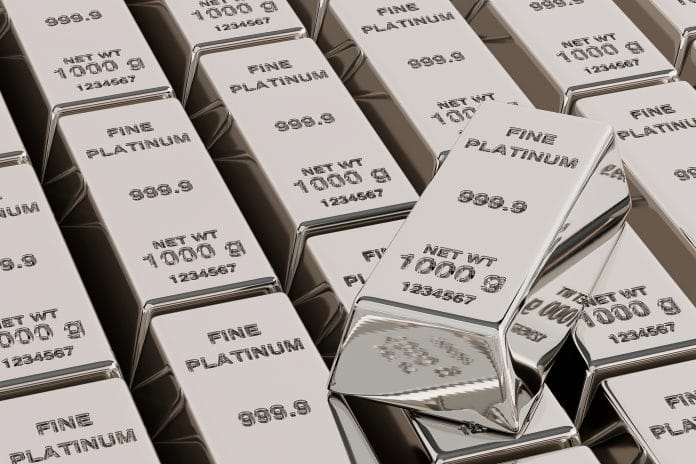
Platinum Hits Unprecedented Levels
Platinum prices have soared to record highs in global markets. Supply shortages, trade uncertainties, and strong demand from China have all contributed to this sudden surge. Investors and buyers are now closely watching the market to understand what this means for purchasing and investment decisions.
Supply Shortages Drive Prices Up
Mining disruptions in key platinum-producing countries, including South Africa, have created significant supply constraints. Limited availability of the metal has fueled price spikes, making platinum one of the most expensive precious metals in recent years.
Trade Fears Amplify Market Volatility
Global trade tensions, particularly between major economies, have added to uncertainty in commodities markets. Investors are turning to platinum as a hedge against instability, further pushing demand and driving prices higher.
 China’s Insatiable Demand
China, one of the world’s largest consumers of platinum, has seen increased industrial and jewelry demand. Platinum’s use in automotive catalytic converters, electronics, and jewelry makes it highly sought after, especially as the Chinese market continues to grow.
Impact on Buyers and Investors
For buyers, the record-high prices mean higher costs for jewelry, industrial uses, and investment-grade platinum. Investors may see opportunities for profit, but they also face increased market risk due to volatility and global economic uncertainties.
Platinum vs. Gold and Silver
Compared to gold and silver, platinum’s price movement has been more dramatic in 2025. Analysts point to supply constraints and industrial demand as key differentiators driving the current price surge.
Long-Term Outlook
Market experts predict that platinum prices may remain high in the near term, though fluctuations are expected. Supply challenges and geopolitical developments will continue to influence pricing, making it essential for buyers and investors to monitor the market closely.
Tips for Buyers
Potential buyers should consider market timing, source verification, and diversification when purchasing platinum. Buying from reputable dealers and considering investment options like platinum ETFs can help mitigate risks associated with high prices.
Industrial and Automotive Implications
High platinum prices may impact automotive manufacturers who rely on platinum for catalytic converters. The cost increase could be passed down to consumers, affecting pricing in the automobile sector globally.
Conclusion: Platinum’s Growing Market Significance
Platinum’s record surge highlights its dual role as both a precious metal and a critical industrial resource. Buyers and investors alike need to stay informed about supply, demand, and market trends to make strategic decisions in a rapidly changing market.