Introduction
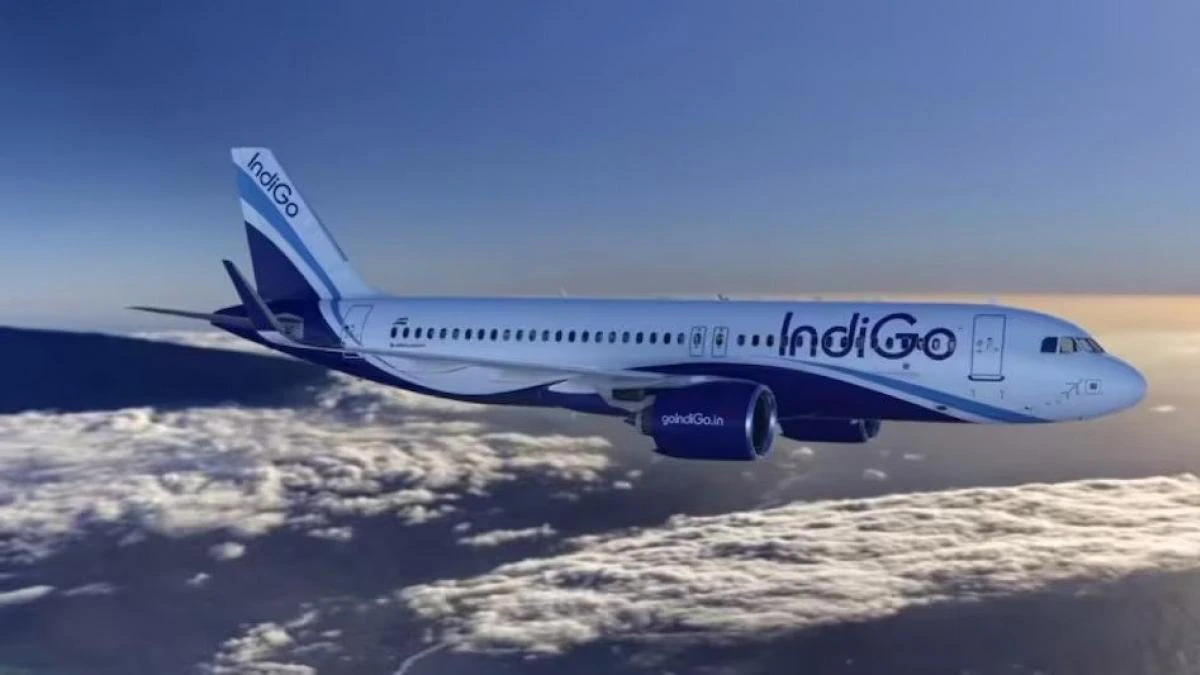
IndiGo has ruled India’s aviation market for years with unmatched scale and reach. It controls more than half of domestic air traffic. This dominance now faces a serious challenge. New airline entries are preparing to launch in 2026. Government reforms also aim to widen competition. Market dynamics are shifting fast. IndiGo’s stronghold is no longer unquestioned.
New Airline Launches Planned for 2026
Three new airlines have announced plans to enter India’s aviation market in 2026. These carriers target both domestic and regional routes. They plan modern fleets and competitive pricing. Their entry signals renewed confidence in Indian aviation growth. The move follows recent disruptions that exposed gaps in capacity and service. Competition is set to intensify.
Government Push to Increase Aviation Competition
The Indian government is actively encouraging new airline players. Policy changes aim to lower entry barriers. Route allocations and airport access rules are easing. Authorities want to reduce market concentration. The goal is fair competition and better services for passengers. This policy shift directly tests IndiGo’s long-standing dominance.
Disruptions Highlight Market Vulnerabilities
Recent flight disruptions revealed weaknesses in India’s aviation ecosystem. Grounding of aircraft and supply chain issues caused delays. Capacity shortages hit passengers hard. These events showed the risks of heavy reliance on one major airline. New entrants see opportunity in these gaps. Market resilience is now a priority.
IndiGo’s Scale Remains Its Biggest Strength
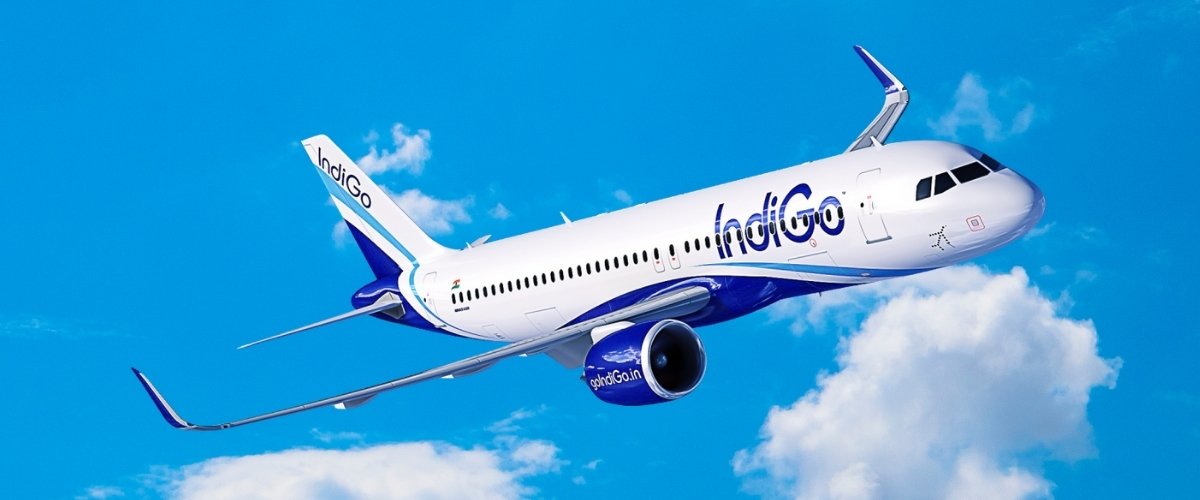
IndiGo still holds massive advantages. Its fleet size is the largest in India. Its low-cost model keeps fares competitive. Strong on-time performance builds passenger trust. Wide domestic coverage gives unmatched connectivity. These factors keep IndiGo ahead despite rising competition.
Rising Demand Fuels Airline Interest
India’s air travel demand continues to grow rapidly. Rising incomes boost domestic travel. Regional connectivity schemes expand route networks. Business and leisure travel both show strong recovery. This growth attracts new airlines. It also gives IndiGo room to defend its position.
Pricing Wars Likely to Intensify
New airlines often enter markets with aggressive pricing. Fare competition could increase across major routes. IndiGo may need tactical pricing responses. Profit margins could face pressure. Passengers may benefit from lower fares and more options. The competitive battle will reshape pricing strategies.
Operational Challenges for New Entrants
Launching an airline in India is complex. Aircraft acquisition faces global delays. Pilot shortages remain a concern. Airport congestion limits slot availability. Regulatory compliance requires heavy investment. These hurdles may slow new players. IndiGo’s operational maturity remains a key edge.
Customer Experience Becomes a Differentiator
As competition rises, service quality gains importance. Punctuality matters more than ever. In-flight experience influences loyalty. Digital booking and support tools shape customer choice. IndiGo must maintain consistency. New airlines will try to stand out through innovation.
Indian Aviation Enters a New Competitive Era
India’s aviation sector is entering a critical phase. IndiGo’s dominance faces structured competition. Government policy supports market balance. New airlines bring fresh momentum. Passengers stand to gain from better choices. The skies over India are set for transformation.