Introduction
Dhaka woke up to fear after a crude bomb explosion killed one person on a busy flyover, deepening concerns over public safety during a tense political period. The blast shocked commuters and nearby residents who heard a loud bang followed by chaos and panic. Police quickly sealed the area and began a detailed investigation as Bangladesh faces rising security challenges. The incident has once again raised questions about safety in urban spaces as the city struggles with political unrest and economic pressure.
Deadly Flyover Blast Highlights Growing Security Threat in Bangladesh
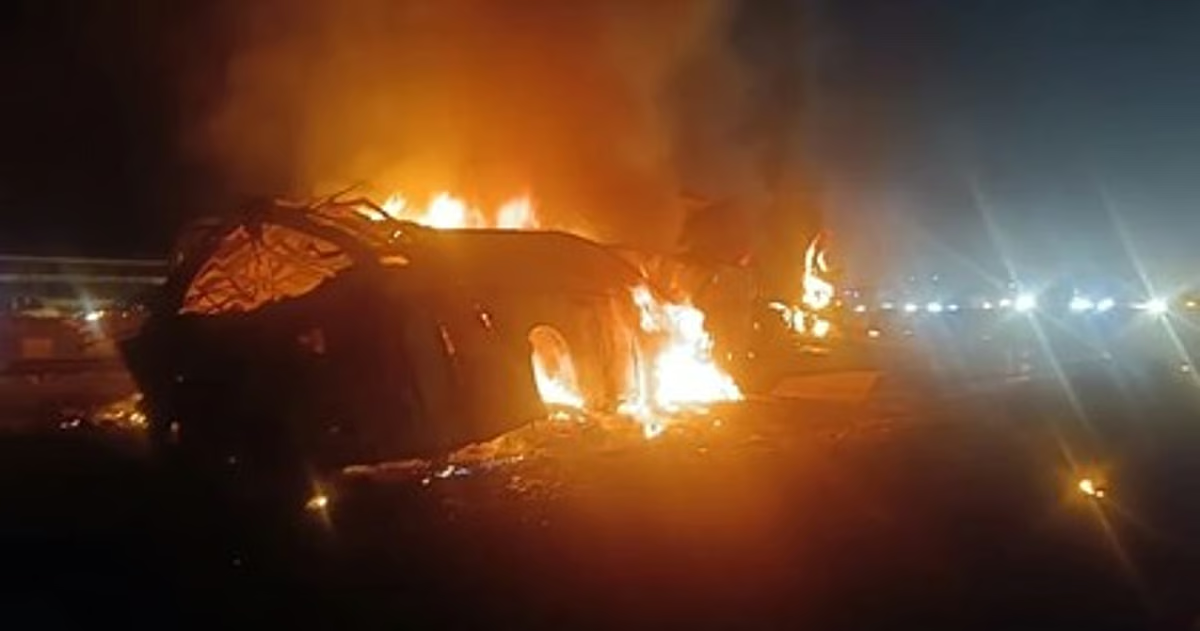
The explosion occurred during peak hours on a crowded flyover in Dhaka, an area used daily by thousands of vehicles and pedestrians. Witnesses described smoke, flames, and injured people trying to flee the scene. Emergency services rushed to the location and confirmed one fatality. Authorities stated that the bomb appeared to be locally made, increasing fears about the spread of crude explosive devices in the capital.
Police Launch Investigation Into Suspected Crude Bomb Attack
Bangladesh police launched a full probe into the blast and collected forensic evidence from the site. Bomb disposal units inspected the area to ensure no secondary devices remained. Officials said early findings suggest the use of a crude bomb, often linked to political violence or extremist activity. Investigators are reviewing CCTV footage and questioning witnesses to identify those responsible.
Dhaka Residents Mourn Victim as City Remains on High Alert
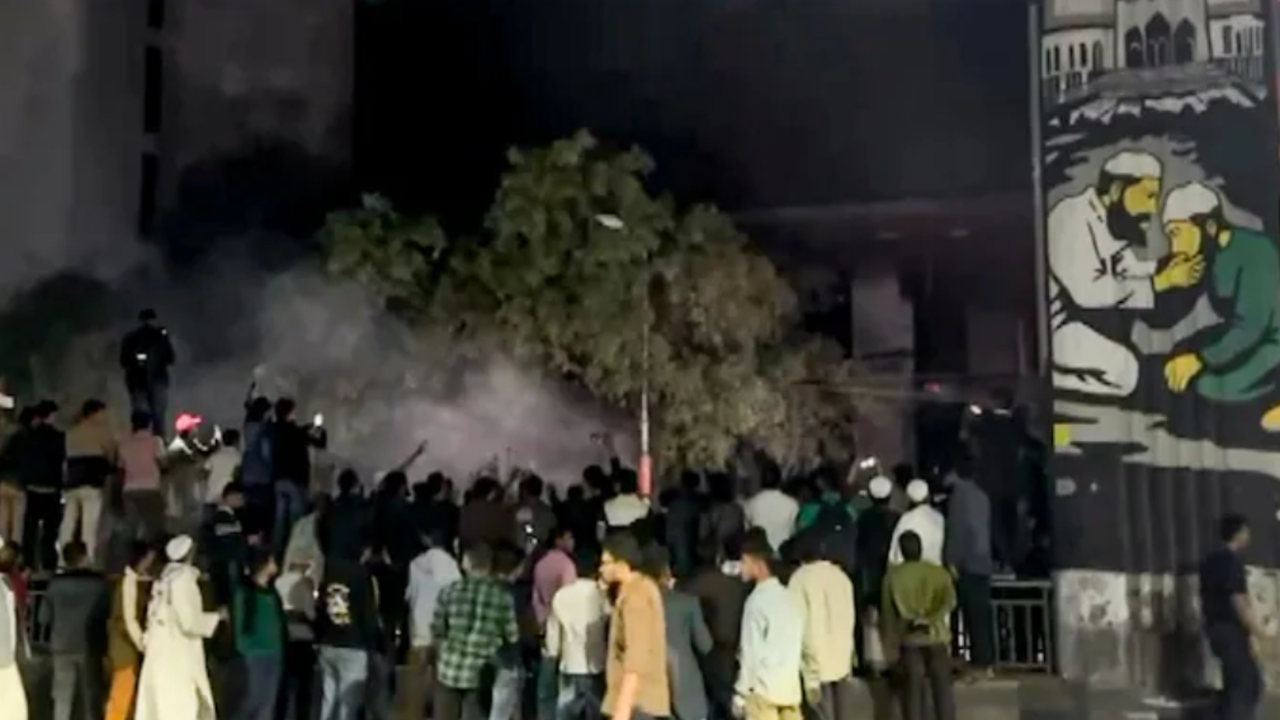
The victim’s death has cast a shadow over Dhaka as residents express grief and anger. Many fear that such attacks could become more frequent if security gaps are not addressed. Authorities increased patrols across sensitive locations, including flyovers, transport hubs, and government buildings. Public concern remains high as people demand stronger protection and faster justice.
 Political Tensions Add to Anxiety After Bomb Explosion
The blast comes at a time when Bangladesh faces intense political tension, protests, and economic uncertainty. Analysts say such incidents often occur during periods of instability. The crude bomb tragedy has intensified fears that violence may escalate as political rivalries grow sharper. Calls for calm and restraint have followed from political leaders and civil society groups.
Emergency Response Highlights Challenges in Urban Safety
Emergency teams reached the site quickly, but the incident exposed challenges in managing sudden urban violence. Traffic congestion delayed some rescue efforts, while panicked crowds made control difficult. Experts stress the need for improved surveillance, faster response systems, and stronger intelligence networks to prevent future attacks in crowded city areas.
Government Condemns Attack and Promises Swift Action
Government officials strongly condemned the explosion and assured the public that those responsible would face strict punishment. Authorities emphasized zero tolerance for violence and pledged to strengthen security measures across Dhaka. The administration urged citizens to remain vigilant and report suspicious activity immediately to prevent further tragedies.
Fear and Uncertainty Grip Daily Commuters in Dhaka
Regular commuters expressed fear about using flyovers and busy roads after the blast. Many worry about their safety while traveling to work or school. Public trust in security measures has taken a hit, with citizens demanding visible action rather than statements. The attack has changed daily routines for many families across the city.
Experts Warn of Rising Use of Crude Explosives in South Asia
Security experts warn that crude bombs are increasingly used because they are easy to make and hard to trace. These devices pose serious risks in densely populated cities like Dhaka. Analysts urge regional cooperation, better intelligence sharing, and stronger law enforcement training to counter this growing threat effectively.
Dhaka Faces Urgent Need for Stronger Public Safety Measures
The deadly explosion serves as a grim reminder of the fragile security environment in Bangladesh’s capital. As Dhaka mourns the victim, pressure mounts on authorities to restore public confidence. Stronger surveillance, political stability, and proactive policing are now critical to preventing similar attacks and ensuring safety for millions of residents.