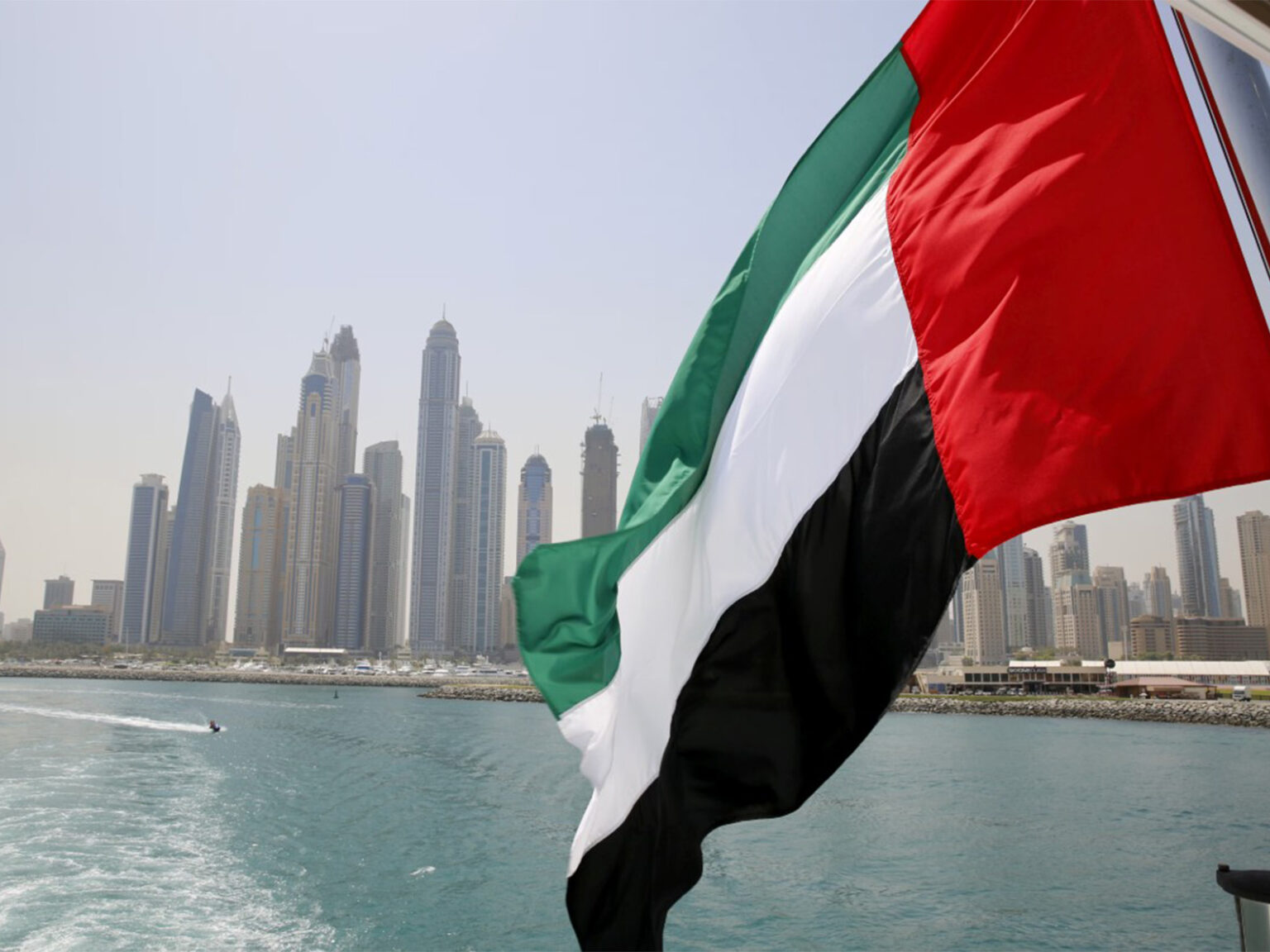
1. UAE strengthens global trade strategy with Latin America focus
The UAE continues to accelerate its global trade agenda. As it deepens economic ties with Latin America through newly signed Comprehensive Economic Partnership Agreements. The agreements signal a clear shift toward diversification and long-term growth. The UAE positions itself as a global trade hub connecting Asia, Europe, Africa, and the Americas. Policymakers emphasize resilience and market expansion. The move reflects confidence in emerging economies. The strategy supports sustainable trade growth. It reinforces the UAE’s role in shaping modern trade corridors. The agreements align with national economic visions. They boost investor confidence. They expand access to high-growth markets.
2. Costa Rica CEPA unlocks new investment and export channels
The UAE-Costa Rica CEPA opens wide-ranging opportunities across key sectors. The agreement reduces tariffs and simplifies customs procedures. Businesses gain smoother market access. Exporters benefit from lower costs. Costa Rica gains access to UAE logistics networks. The UAE secures a foothold in Central America. The agreement supports agriculture, manufacturing, and services. It encourages technology exchange. It strengthens supply chains. It enhances bilateral trust. Trade flows become more efficient. The partnership promotes long-term cooperation. Both nations focus on value-added growth.
3. Chile agreement boosts UAE reach in South America
The UAE-Chile CEPA expands trade across South America’s most stable economies. Chile offers strong mining, agriculture, and energy sectors. The UAE gains access to reliable resources. Chile benefits from UAE investment expertise. The agreement supports clean energy and infrastructure. It reduces regulatory barriers. It strengthens food security. It improves trade predictability. Companies see faster approvals. Investors gain clarity. The deal reflects shared economic goals. It supports sustainable development. It creates new business pipelines. It deepens diplomatic relations.
4. CEPAs support UAE economic diversification goals
The agreements reinforce the UAE’s shift away from oil dependence. Non-oil trade remains a national priority. CEPAs encourage private sector participation. They support SMEs and large enterprises alike. The UAE attracts diversified capital. Trade volumes increase steadily. Manufacturing and services gain momentum. Innovation-driven sectors expand. The agreements align with UAE Centennial goals. Policymakers stress future readiness. Economic resilience improves. Market risks reduce. Long-term stability strengthens. Growth becomes more balanced.
5. Logistics and connectivity drive competitive advantage
The UAE leverages its world-class logistics infrastructure to maximize CEPA benefits. Ports and free zones play a central role. Air and sea connectivity accelerates trade flows. Latin American exporters reach Asian markets faster. UAE firms expand distribution networks. Supply chains become shorter and more reliable. Costs decline. Delivery times improve. Trade efficiency rises. Digital customs systems enhance transparency. Businesses gain speed. Competitiveness increases. The UAE solidifies its logistics leadership.
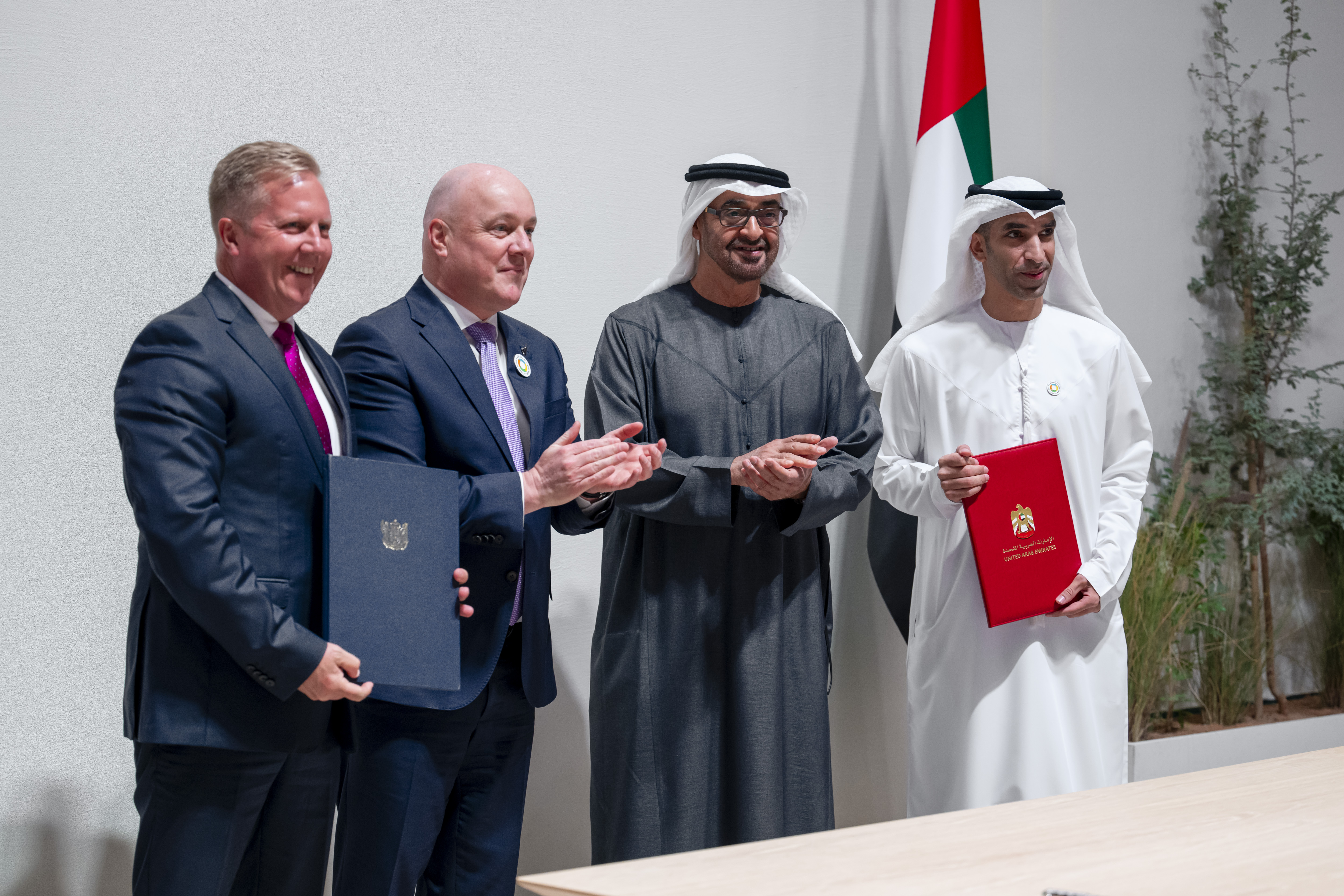
6. Investment flows expected to rise across sectors
New CEPAs encourage bilateral investment growth. Financial services see strong interest. Renewable energy projects attract capital. Agribusiness gains momentum. Technology partnerships expand. Infrastructure development accelerates. Investors benefit from regulatory clarity. Risk mitigation improves. Returns become more predictable. Joint ventures increase. Capital mobility strengthens. The agreements create confidence. They attract long-term investors. Sustainable finance plays a key role.
7. SMEs gain access to high-growth Latin markets
Small and medium enterprises stand to benefit significantly. Reduced trade barriers lower entry costs. SMEs access new customers. Export processes become simpler. Digital trade tools support scaling. Market intelligence improves. Partnerships grow faster. Innovation spreads across borders. SMEs diversify revenue streams. Employment opportunities rise. Entrepreneurship flourishes. Cross-border collaboration increases. The agreements democratize trade participation.
8. Sustainability and green growth shape future trade
Sustainability remains central to the new trade framework. Clean energy collaboration expands. Green technologies gain priority. Environmental standards guide cooperation. Climate goals influence investment decisions. Sustainable agriculture receives support. Carbon reduction initiatives grow. Innovation focuses on long-term impact. Trade aligns with global climate commitments. Responsible growth becomes the norm. The UAE reinforces its green agenda.
9. Strategic diplomacy enhances economic influence
Trade agreements strengthen diplomatic ties. Economic cooperation supports political stability. Mutual trust deepens. Multilateral engagement increases. The UAE expands its soft power. Latin America gains a reliable global partner. Shared economic goals build lasting relationships. Dialogue improves. Regional cooperation grows. The UAE enhances its global standing. Economic diplomacy delivers measurable outcomes.
10. UAE positions itself as a bridge between regions
The new CEPAs highlight the UAE’s role as a global connector. The country links Latin America with Asia and the Middle East. Trade corridors expand rapidly. Businesses benefit from scale. Markets integrate smoothly. The UAE sets benchmarks for modern trade. Economic leadership strengthens. Future agreements gain momentum. The strategy delivers long-term value. Growth remains inclusive and sustainable.