Introduction
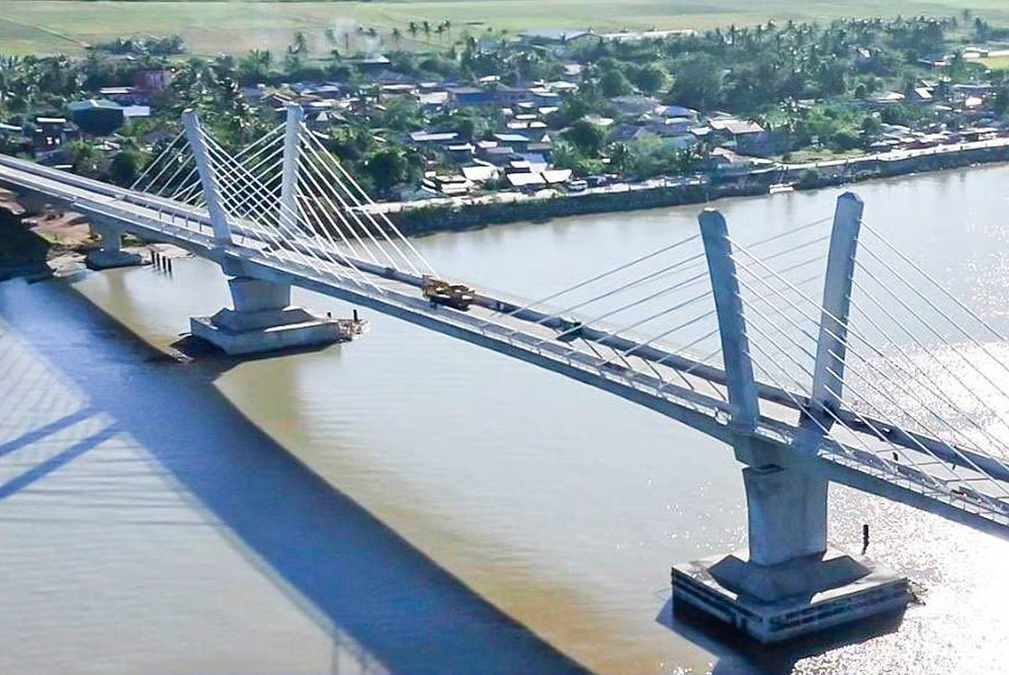
President Ferdinand Marcos Jr. inaugurated a major new bridge today. The Camalaniugan Bridge spans the wide Cagayan River in Luzon. This structure is now the longest cable-stayed bridge in the northern Philippines. The $38.9 million project promises to change travel and trade in the region. This event marks a significant achievement in national infrastructure development.
President Marcos Jr. Inaugurates the Pivotal New Bridge
President Marcos Jr. led the official opening ceremony today. He highlighted the bridge’s role in national progress and regional connection. The event included local officials and community leaders. The president called the bridge a testament to the government’s build-better-more program. He emphasized its importance for local economies and disaster resilience.
Key Facts and Figures of the Camalaniugan Bridge
The bridge is an impressive feat of engineering. Its total length stretches over 1.6 kilometers across the Cagayan River. The main cable-stayed section measures 350 meters long. The project cost a total of 2.2 billion Philippine pesos, or $38.9 million. It features two lanes for vehicular traffic. Construction took several years to complete.

The Bridge’s Strategic Location Over the Cagayan River
The bridge connects the municipalities of Camalaniugan and Aparri. It lies in the province of Cagayan on the main island of Luzon. This location is crucial for the Cagayan Valley region. It serves as a vital link along the Maharlika Highway. The bridge replaces an older, less reliable crossing point. It provides a permanent route over the country’s longest river.
Transforming Travel and Commerce in Northern Luzon
The new bridge will drastically cut travel time for commuters and goods. It connects remote areas to major economic centers more efficiently. Farmers can now transport products to markets much faster. The bridge will boost tourism in the scenic Cagayan Valley. It provides a safer and more reliable route during the rainy season. Overall, it strengthens the economic backbone of the entire north.
Engineering Highlights of the Cable-Stayed Design
The cable-stayed design is both strong and visually striking. Large towers support the bridge deck with a fan of strong steel cables. This design is ideal for long spans over wide rivers like the Cagayan. It allows for a sturdy structure that can withstand typhoon-force winds. The design also minimizes the number of supports needed in the water. This makes it less disruptive to the river’s flow.
A Critical Infrastructure for Disaster Resilience
The bridge is built to be disaster-resilient. Its design considers the severe weather common in northern Luzon. It can withstand strong earthquakes and powerful typhoons. The elevated structure reduces flood risk compared to old roads. It ensures a reliable transportation link remains open after calamities. This makes it a lifeline for emergency response and recovery efforts.
Future Impact on Regional Development and Connectivity
The Camalaniugan Bridge is more than just a road. It is a catalyst for future growth in the Cagayan Valley. It will attract new business investments to the region. Improved connectivity will enhance the quality of life for residents. The bridge is a key part of the government’s plan to connect all of Luzon. It paves the way for a more progressive and integrated northern Philippines.