Introduction
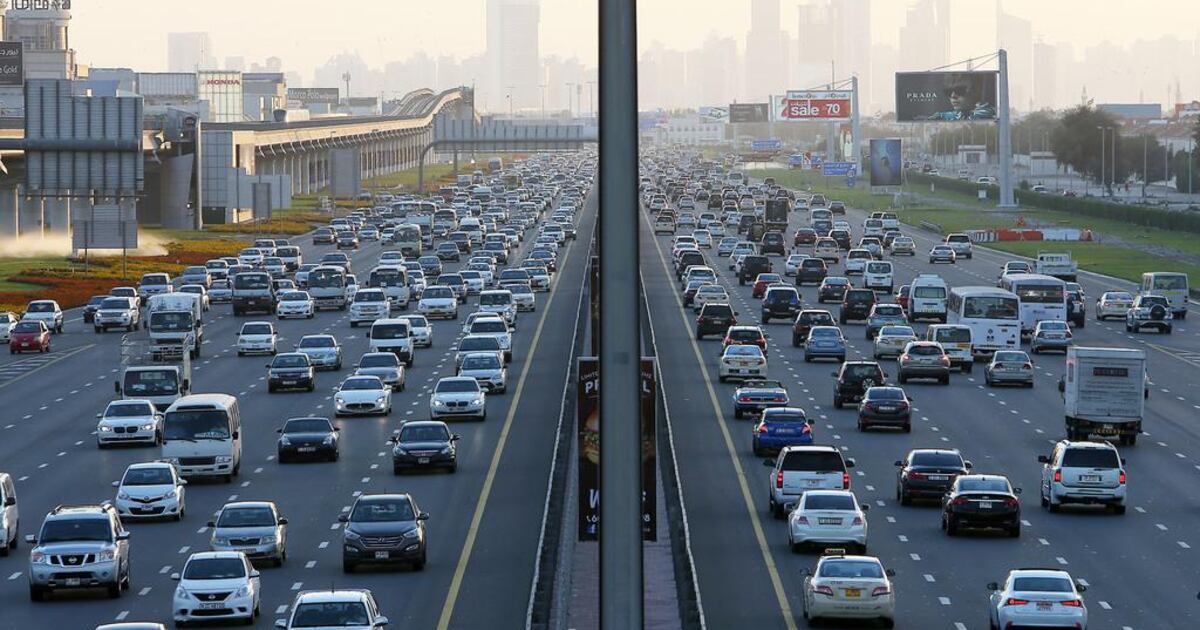
Sharjah/Dubai, UAE – Commuters traveling between Sharjah and Dubai faced a very difficult morning today. All main roads connecting the two emirates reported heavy congestion and long delays. Multiple minor accidents occurred along these busy routes during the peak morning rush hour. These incidents added significantly to the existing traffic problems. Thousands of drivers experienced much longer than usual travel times. The situation caused frustration and disruptions for people heading to work, school, and appointments. The combined effect of high traffic volume and collisions created a perfect storm for a slow and stressful commute across one of the region’s busiest travel corridors.
Which Roads Are Most Affected By The Congestion?
All major highways between Sharjah and Dubai are currently experiencing heavy traffic. This includes the critical Emirates Road (E611), Sheikh Mohammed Bin Zayed Road (E311), and Dubai-Al Ain Road (E66). Traffic is moving very slowly in both directions on these routes. The congestion is particularly severe at the usual bottleneck areas near major interchanges and entry points into Dubai. The high volume of vehicles has overwhelmed the road capacity, leading to stationary or crawling traffic for many kilometers.
 How Have Accidents Worsened The Traffic Situation?
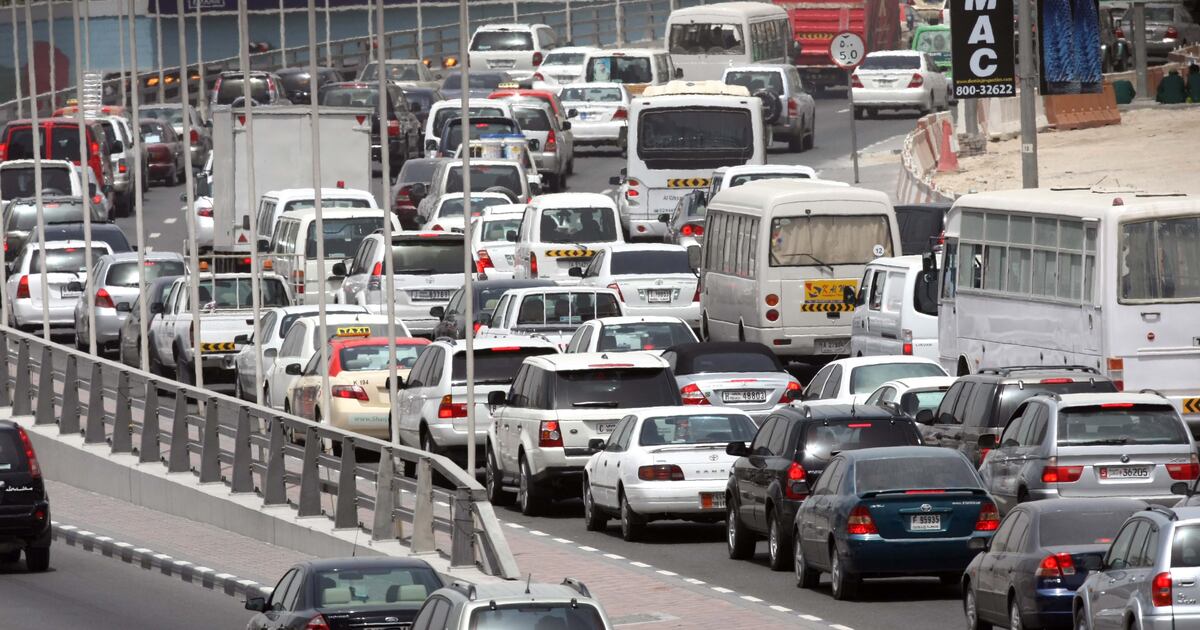
Several minor traffic accidents were reported during the morning rush. These collisions, though not serious, have blocked important lanes on already packed roads. Each accident forces traffic to merge into fewer lanes. This merging action creates a ripple effect of braking and slowing that stretches back for many kilometers behind the crash site. Emergency vehicles attending to these incidents also contribute to temporary slowdowns, compounding the delays for everyone else on the road.
What Are The Current Travel Times For Commuters?
Travel times are much longer than normal. A trip that typically takes 45 minutes under good conditions is now taking between 90 minutes to over two hours for many drivers. The delays are unpredictable and change based on accident clearance and ongoing traffic volume. Navigation apps like Google Maps and Waze are showing dark red lines across the major highways, indicating standstill traffic or very slow speeds. Commuters are advised to add at least an extra hour to their planned journey time this morning.
What Advice Is There For Drivers Stuck In Traffic?
Drivers currently on the road must remain patient and cautious. They should maintain a safe distance from the vehicle in front to prevent further rear-end collisions. It is important to avoid switching lanes aggressively, as this can cause more accidents and slow everyone down further. Drivers should keep their vehicle’s fuel tank adequate for a long, slow journey and ensure their car’s air conditioning is functioning well. Listening to local traffic radio stations for live updates is also highly recommended for the latest information.
Are There Any Alternative Routes Available?
Finding a clear alternative route is very challenging today due to the widespread nature of the congestion. Some navigation apps may suggest exiting the highway to use internal roads in areas like Al Qusais or Al Nahda. However, these secondary roads are also likely to be overloaded with diverted traffic. The best advice for commuters who have not yet left home is to delay their journey if possible. Waiting until after the peak morning rush hour, around 10:00 AM, may lead to significantly improved conditions and shorter travel times.
What Is Causing The Unusually Heavy Traffic Volume?
The extreme traffic volume is likely due to a combination of standard factors. These factors include the full return of schools and offices after a weekend, regular commuter traffic, and possibly reduced road capacity due to ongoing construction projects or lane closures. Any small incident in these conditions quickly escalates into a major delay because there is no spare capacity on the roads for traffic to flow around a problem. The high dependence on personal vehicles for the daily commute between the two emirates makes the road network very vulnerable to disruptions.
When Is The Traffic Expected To Return To Normal?
Traffic conditions are expected to gradually improve after the core morning commute period ends, typically by late morning. However, the clearance of accidents and the natural thinning of traffic will dictate the speed of recovery. Authorities and recovery vehicles are working to clear incidents as fast as possible. Commuters should plan for a slow return journey in the evening as well, as afternoon and evening peaks may also be affected by the residual delays and ongoing high volume of vehicles on the road. Checking live traffic updates before starting any journey is essential.