Introduction
The Iranian rial is experiencing a severe and ongoing decline. Its value continues to drop sharply against major world currencies. This steep fall has created a significant economic crisis inside Iran. Inflation has now surged above forty-two percent. Economic growth remains very weak across the country. These combined forces push financial experts to issue urgent warnings. They are now assessing the future outlook for Iran’s battered national currency. The situation affects every Iranian citizen buying food and fuel. It also shapes the country’s future trade and international relations.
Understanding The Rial’s Current Free-Fall
The rial’s value is dropping at an alarming speed on open markets. Several key factors are driving this accelerated decline. International economic sanctions play a major role in this crisis. These sanctions severely restrict Iran’s ability to sell its oil abroad. They also limit access to the global banking system. Domestic economic policies have failed to stabilize the situation. Low business confidence reduces investment inside the country. High government spending adds pressure without creating growth. This perfect storm pushes the currency lower every week.
Soaring Inflation And Its Direct Impact On Citizens
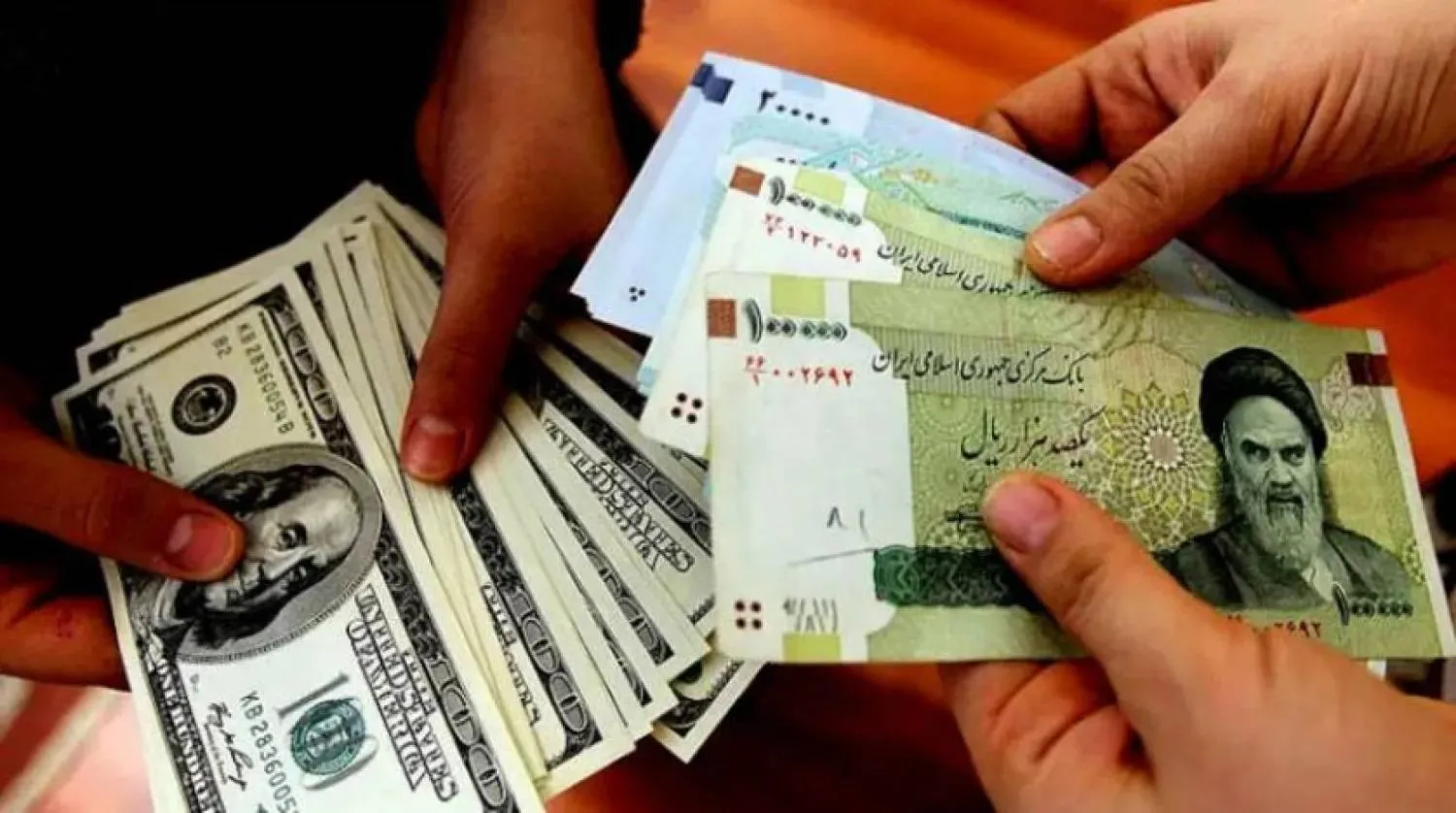
Official reports now place Iran’s annual inflation rate above forty-two percent. This number likely underestimates the real pain for ordinary people. Prices for basic goods like bread, meat, and medicine rise almost daily. Salaries and pensions fail to keep pace with these price jumps. Family savings lose their value quickly when held in rials. People rush to convert rials into dollars or buy gold. This behavior further weakens demand for the national currency. The resulting hardship causes deep public frustration and worry.
Weak Economic Growth Compounds The Crisis
The currency crisis happens alongside very weak economic growth. Key industries struggle to operate without reliable foreign parts. Investment from other countries has nearly disappeared. Job creation cannot meet the needs of a young population. The government faces large budget shortfalls. It prints more money to cover its spending, which devalues the rial further. This creates a vicious cycle of decline. Without strong growth, the country lacks a path to stabilize its currency. Economists see few positive signs for a quick recovery.
Expert Assessments Of The Rial’s Future Path
Financial analysts are studying the rial’s potential future direction. Most forecasts remain deeply pessimistic for the short term. The fundamental economic problems are large and complex. Sanctions show no sign of being lifted soon. Government policy appears unable to reverse the trend. Some experts predict continued gradual decline. Others warn of a potential sudden collapse in the currency’s value. The stability of the entire banking system is now a concern. The future path depends heavily on international political decisions.
Broader Consequences For Iran’s Economy
The falling rial creates wide damage across the national economy. Importing goods becomes extremely expensive for businesses. This raises production costs for Iranian factories. Some industries may shut down completely. Living standards fall for nearly everyone except a very small group. The government’s ability to provide services decreases. Social unrest becomes a greater risk as hardship grows. The crisis also affects Iran’s neighbors and trading partners. Regional economic activity suffers from the instability.
Potential Solutions And The Long-Term Outlook
Solving this crisis requires difficult and coordinated actions. The most direct solution involves lifting international sanctions. This requires diplomatic breakthroughs that seem distant now. The government could adopt strict economic reforms. Such reforms would be painful for the population in the short term. Building trust in the financial system is another major challenge. The long-term outlook remains uncertain and troubling. The rial’s free-fall highlights deep structural economic issues. Its recovery depends on changes both inside and outside Iran’s borders. The coming months are critical for the currency’s future.