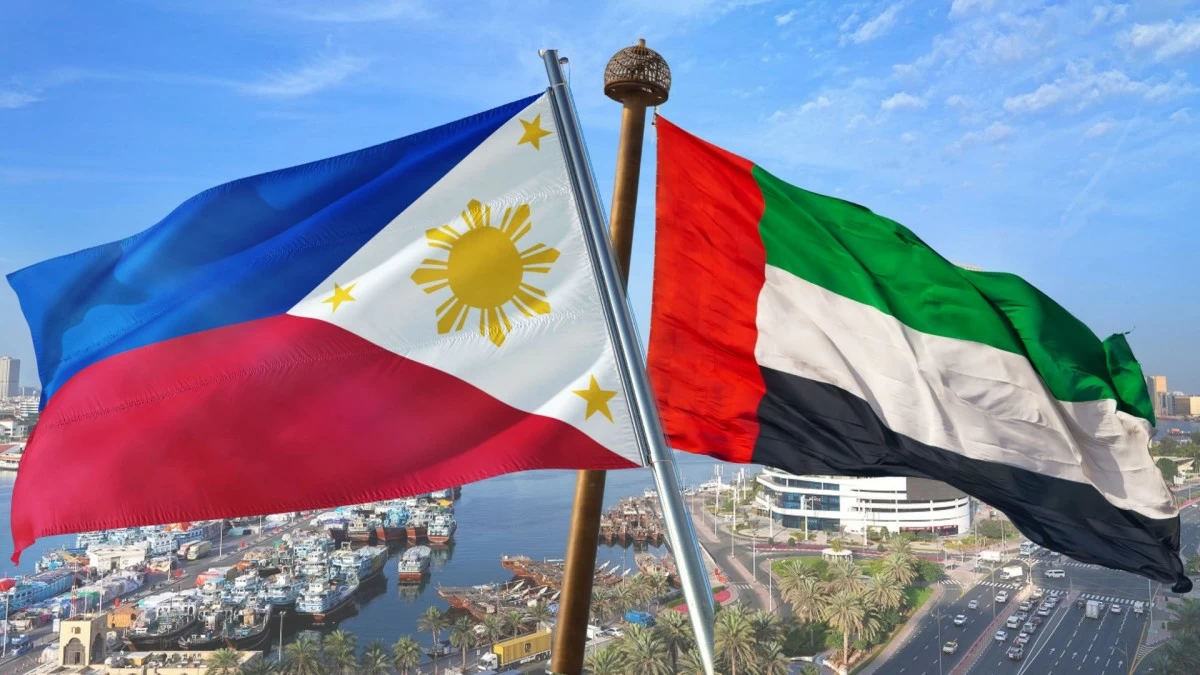
Major Comprehensive Economic Partnership Agreement
The United Arab Emirates and the Republic of the Philippines have signed a landmark trade deal. The two nations formally sealed the Comprehensive Economic Partnership Agreement (CEPA). The signing ceremony took place in the presence of both countries’ presidents. This agreement marks a historic new chapter in bilateral relations. It aims to dramatically boost trade, investment, and economic cooperation. The CEPA is the latest in a series of strategic partnerships pursued by the UAE. It reflects a deep mutual commitment to shared prosperity and future growth.
A Historic Ceremony Witnessed by Both Presidents
President His Highness Sheikh Mohamed bin Zayed Al Nahyan and President Ferdinand R. Marcos Jr. witnessed the signing. High-level ministers from both governments executed the formal agreement. The ceremony underscored the political importance both nations place on this partnership. It was the culmination of several rounds of constructive negotiations. The event celebrated more than 50 years of strong diplomatic ties. The leaders expressed great optimism for the future relationship this deal will create.
Understanding the Comprehensive Economic Partnership Agreement (CEPA)
A Comprehensive Economic Partnership Agreement is a wide-ranging trade deal. It covers much more than just reducing taxes on goods. The UAE-Philippines CEPA will eliminate or lower tariffs on a vast range of products. It also includes rules for services, investment, digital trade, and intellectual property. The agreement creates clear and favorable rules for businesses in both countries. It aims to remove barriers and make cross-border commerce much easier. This provides a powerful framework for long-term economic collaboration.
Key Areas of Economic Cooperation and Growth
The agreement targets several key sectors for immediate and future growth. Major areas include trade in food products and agricultural goods. It also covers energy, logistics, hospitality, tourism, and financial services. The deal will facilitate greater investment in infrastructure and technology projects. It aims to create new job opportunities in both economies. The partnership recognizes the strong role of Filipino professionals and workers in the UAE’s development. It seeks to build on this existing human connection for mutual benefit.
The Foundation of 50 Years of Strong Relations
The CEPA builds on a solid foundation of over half a century of friendship. The UAE and the Philippines established formal diplomatic relations in 1974. The relationship has grown consistently stronger over the decades. The UAE is now a major destination for skilled Filipino workers and professionals. The Philippines is an important economic partner and source of agricultural exports. This new agreement is a natural and strategic upgrade to that longstanding partnership. It transforms a strong relationship into a dynamic economic alliance.
Expected Benefits for Businesses and Economies
The CEPA is expected to deliver significant benefits for businesses and both nations. It will provide UAE exporters with much better access to the large and growing Philippine market. Philippine companies will gain preferential access to the UAE’s strategic hub. This will reduce costs and increase competitiveness for importers and exporters. The deal will attract new foreign direct investment into key sectors. It promises to boost annual bilateral trade to new record levels. Consumers in both countries will enjoy access to more products at lower prices.
A Strategic Milestone in the UAE’s Global Partnership Strategy
The Philippines CEPA is a strategic milestone for the UAE’s foreign economic policy. It is part of a focused strategy to build a global network of trade partnerships. The UAE has already signed similar CEPAs with countries like India, Israel, and Indonesia. Each agreement strengthens the UAE’s position as a leading global trade and logistics hub. This deal deepens the UAE’s economic engagement with the fast-growing Southeast Asian region. It demonstrates a proactive approach to building a resilient and diversified economy for the future.