Why Syria Changed Its Currency
Countries sometimes decide to replace their own money. This is a very big decision for any nation. Changing a currency sends a powerful message to the world. It also affects every single citizen in their daily life. Syria recently announced a major change to its monetary system. We must look at why nations take this drastic step. We must also understand what Syria’s specific move truly signals about its troubled economy. The success of such a change never depends on new banknotes alone. Real stability requires much deeper and stronger economic policies to support the fresh start.
Governments Issue New Currency For Several Key Reasons
Nations have many different reasons for changing their money. Some countries create new currencies after a political revolution or the creation of a new state. Other nations form economic unions and adopt a shared currency like the Euro. The most common reason, however, involves a severe economic crisis. Runaway inflation can make old banknotes almost worthless. A government may then decide to “cut zeros” from its money to simplify transactions and restore some public confidence. The process aims to create a sense of normalcy and control.
Syria’s Move Aims To Combat Crippling Hyperinflation
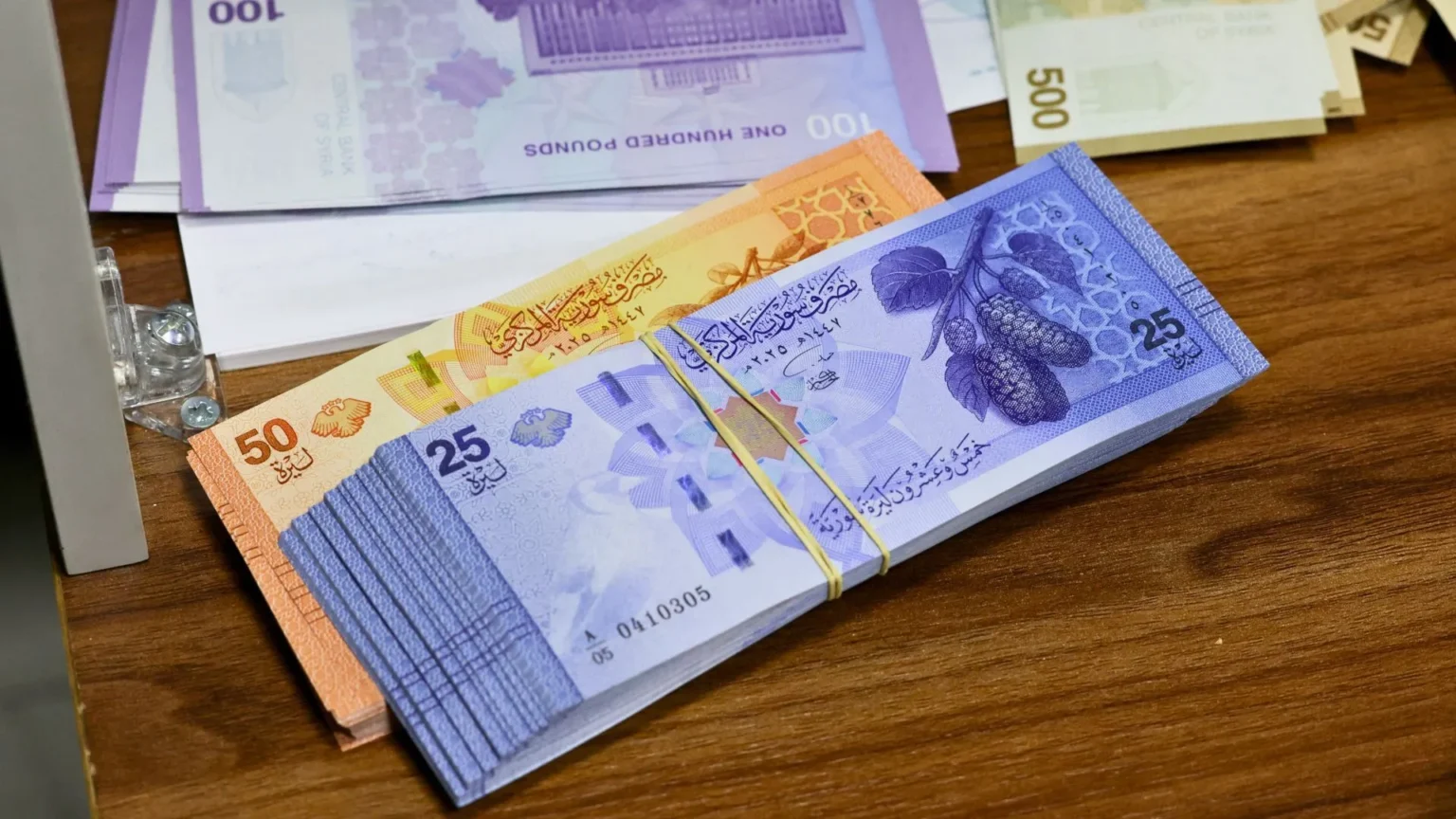
The Syrian pound has lost almost all its value during years of conflict and isolation. Prices for basic goods have soared to unimaginable levels. People needed huge stacks of cash for simple purchases. The Central Bank of Syria recently announced a new “redenomination.” This means they are effectively replacing the old pound with a new one. They plan to remove three zeros from the currency’s value. One new pound will now equal one thousand old pounds. Officials hope this practical step will make daily commerce easier for a weary population.

Currency Reform Alone Cannot Fix A Broken Economy
Printing new banknotes is a technical operation. It does not, by itself, create economic value or stability. A currency’s strength depends entirely on public trust and sound fundamentals. People must believe the new money will hold its purchasing power. This trust requires strong government institutions, productive economic activity, and controlled inflation. Without these supporting policies, the new currency can fail just like the old one. It might quickly begin losing value on the black market where exchange rates are set by reality, not government decree.
The World Watches For Signs Of Broader Syrian Policy Shifts
International economists are watching Syria’s next moves very closely. The currency change will only work if it is part of a larger, credible economic plan. The government must address the root causes of the hyperinflation. Key issues include massive budget deficits, low domestic production, and international sanctions. Success requires rebuilding infrastructure, attracting foreign investment, and managing debt. The new banknotes are a visible symbol. The real test is whether they represent the start of genuine and disciplined financial reform.
Historical Precedents Show Mixed Results For Currency Swaps
Other nations offer important lessons from their own currency changes. Zimbabwe and Venezuela introduced new notes during hyperinflation, but their economies continued to struggle without broader fixes. Germany, after World War I, successfully stabilized its currency with strict fiscal discipline and a new central bank law. Turkey recently completed a multi-year redenomination with relative success, supported by independent monetary policy. The historical record is clear. The physical change of money is just the first, and often easiest, step in a very long journey.
The Daily Impact On Syrian Citizens Remains Severe
For ordinary Syrians, this change creates both hope and confusion. They must now exchange their life savings for the new currency. This process can be logistically difficult and anxiety-provoking. Many citizens fear the government could impose unfair limits or conditions during the swap. People’s trust in the financial system is already extremely low. The real goal for families is simple. They need a currency that allows them to buy food, pay rent, and plan for tomorrow without constant fear of losing their purchasing power overnight.
True Stability Demands More Than New Paper Money
Syria’s path to economic recovery remains long and steep. A currency redenomination can be a useful tool for resetting financial accounts. It cannot magic away deep structural problems. Lasting stability requires peace, political consensus, and international re-engagement. It needs policies that boost real production like agriculture and industry. The world will judge this currency move not by the design of the new notes, but by the strength of the economic program behind them. The future of the Syrian pound, and the people who use it, depends on this difficult wider effort.