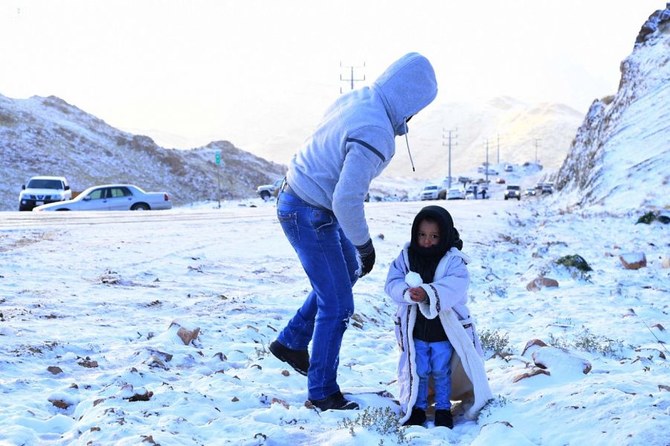
Saudi Arabia Temperatures Drop Below Freezing
Saudi Arabia prepares for unusually cold weather this week. A powerful cold air mass moves across the region. The National Center of Meteorology issued an official alert. Officials warn residents about a significant drop in temperatures. Many areas will experience freezing conditions. The cold snap will affect daily life and travel. People must take serious precautions for their safety.
Urgent Cold Weather Alert
The National Center of Meteorology (NCM) activated its warning system. They forecast a severe and sudden drop in temperatures. The cold air mass, known as “Saqoor,” moves from the north. It will impact several Saudi regions directly. The NCM advises all citizens to follow official updates closely. They stress the importance of staying informed about local conditions.
Sub-Freezing Temperatures
Northern and central regions will face the coldest conditions. Cities like Turaif, Al Qurayyat, and Hail may see temperatures near or below 0°C. Even elevated areas in the south could experience frost. The capital, Riyadh, will also see a sharp decline. Nighttime and early morning hours will be the most severe. Daytime temperatures will remain unusually low for the season.
Serious Safety Precautions
The NCM and Civil Defense urge extreme public caution. People should avoid unnecessary travel during the coldest periods. Residents must protect pipes and water systems from freezing. Farmers need to shield crops and livestock from the frost. Elderly people, children, and those with health conditions must stay warm. Proper heating and appropriate winter clothing are essential.

The “Saqoor” Cold Air
The “Saqoor” pattern brings very cold, dry air from polar regions. It sweeps across the Arabian Peninsula during winter. This event is notable for its intensity and wide reach. Wind speeds will increase, making the air feel even colder. The mass will also cause clear skies at night. Clear skies allow ground heat to escape, worsening the frost.
Potential Impacts On Daily Life And Infrastructure
The cold snap disrupts normal routines across the kingdom. Road safety becomes a major concern, especially with possible black ice. Schools and businesses may adjust schedules for safety. Energy demand for heating will likely surge. Frost can damage sensitive plants and agricultural projects. Communities in desert areas are particularly vulnerable to this sharp change.
How To Stay Safe
Experts recommend several key actions for all residents. Keep emergency supplies at home, including warm blankets and food. Check on neighbors who may need assistance. Use safe heating methods to prevent fire risks and carbon monoxide poisoning. Dress in multiple layers if you must go outside. Always follow the latest advice from the NCM and local authorities. Staying prepared reduces risk during this extreme weather event.