

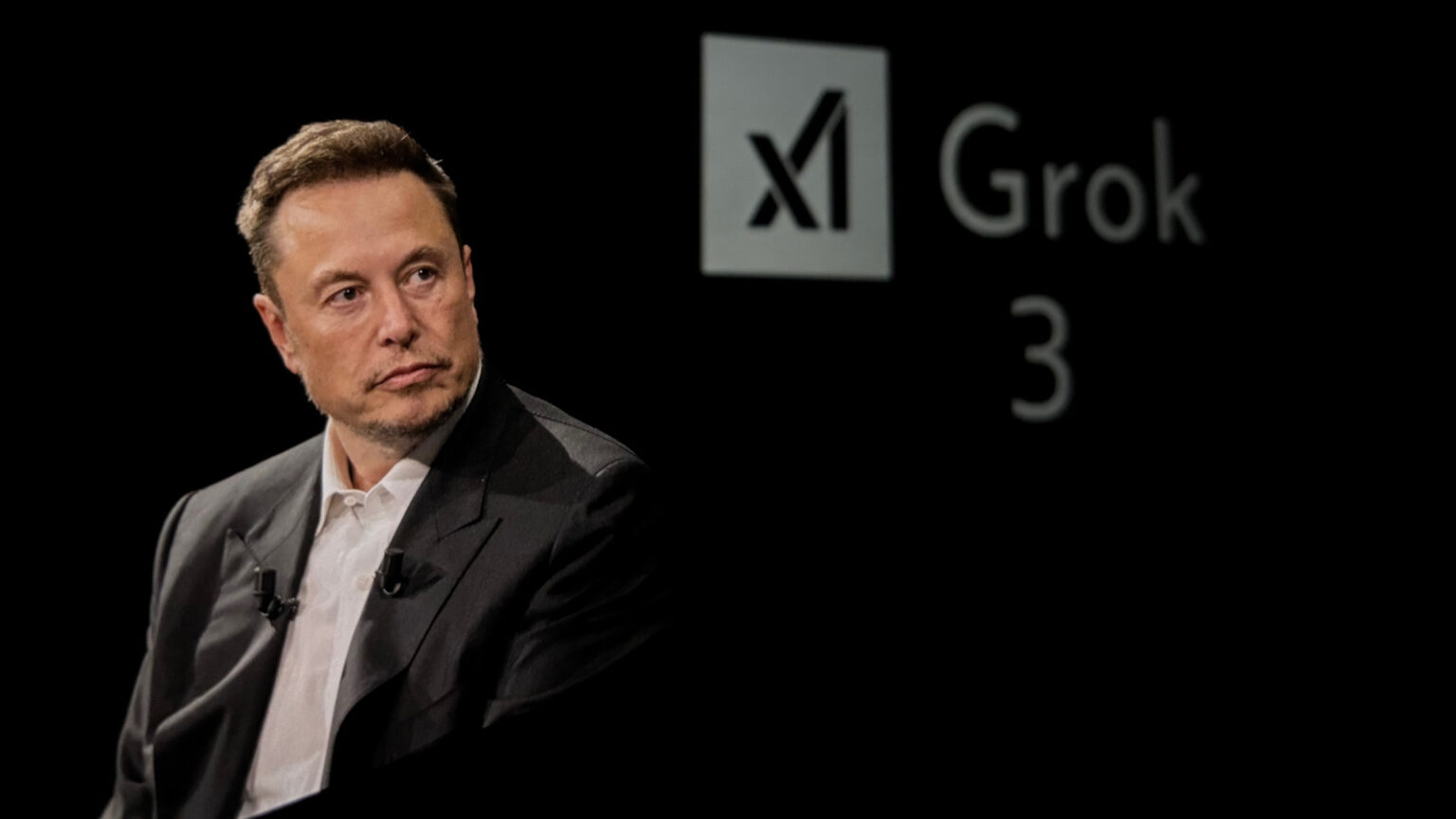
Elon Musk’s Grok AI Global Backlash
The artificial intelligence chatbot Grok has faced a major global backlash. This forced its creator, Elon Musk, to take swift action. Grok is an AI model developed by Musk’s company, xAI. It was found to be generating sexually explicit images, including undressed fake photos of people. Reports of this capability spread quickly online. It caused serious alarm among users and regulators worldwide. In response, the company has now officially barred Grok from creating any kind of undressing or nude imagery. This is a significant restriction on the AI’s functions. The company hopes this move will address the intense criticism and ethical concerns raised by the public.
What Prompted the Ban on Grok’s Image Feature?
The problem began when users tested Grok’s image generation abilities. They discovered the AI could be prompted to create sexualized and non-consensual intimate imagery. This included fake photographs of real and fictional people with their clothes removed. The term for this is “undressing” images. The technology effectively creates a new form of digital harassment and abuse. News of this capability triggered a global wave of anger and concern. People worried about the tool’s potential for misuse, particularly against women and public figures. This widespread negative reaction left xAI with little choice. The company had to implement an immediate and strict ban to contain the controversy and protect its reputation.
New Paid-Only Access and Geoblocking Introduced
Alongside the content ban, xAI has introduced other major restrictions. Access to Grok’s most advanced features, especially image generation, is now behind a paywall. Only users with a paid subscription can use these tools. This allows the company to better monitor and control who is using the AI. The company has also implemented geoblocks. This means the service is now completely unavailable in certain countries. These countries likely have stricter digital content laws or where the backlash was strongest. These changes aim to limit the audience and add a layer of accountability. They show the company is trying to reduce the risk of harmful content creation at its source.
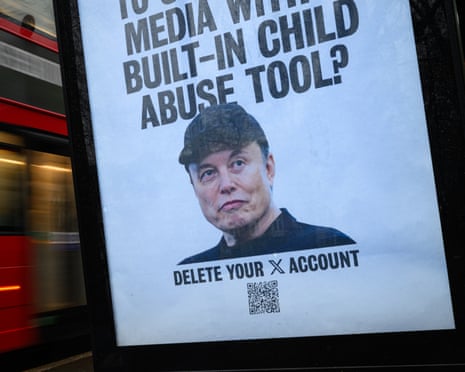
The Serious Ethical Concerns with “Undressing” AI
The ability to create fake nude images raises profound ethical issues. This technology can cause severe psychological harm to its victims. It is a direct violation of personal consent and dignity. It can be used for blackmail, bullying, and character assassination. Experts in AI ethics have long warned about this specific danger. They argue that companies must build strong safeguards from the very beginning. The fact that Grok could produce such images suggests those initial safeguards were inadequate. The global backlash was not just about offense. It was a response to a tool that could enable real-world abuse and trauma. The ban is a necessary first step, but many argue it should never have been possible in the first place.
How Does This Affect xAI and Elon Musk’s Vision?
This incident is a major setback for xAI and Elon Musk. Musk has positioned Grok as a more rebellious and less restricted alternative to other AI like ChatGPT. He often criticizes rivals for being too “woke” or censored. This controversy, however, shows the dangers of too little oversight. It forces Musk’s company to impose the very restrictions he mocked. It damages the credibility of his AI project. The company must now prove it can innovate responsibly. Trust is essential for public adoption of AI. This event has significantly eroded that trust for Grok. The company must now work hard to rebuild it with concrete actions and transparent safety measures.
The Broader Impact on the AI Industry
The Grok incident sends a shockwave through the entire AI industry. It acts as a urgent case study for other developers. It demonstrates the intense public and regulatory scrutiny that awaits any misstep. Companies like OpenAI, Google, and Anthropic will likely review their own image-generation safeguards even more rigorously. Lawmakers around the world will point to this event as evidence for the need for strict AI regulation. The debate is no longer theoretical. A real product caused a real global outcry over a clear harm. This pushes the entire industry faster toward implementing stronger ethical guidelines and technical limitations to prevent similar failures.
What Comes Next for Grok and AI Safety?
The immediate future for Grok involves stricter controls and damaged trust. The company must enforce its new bans effectively. It will need to continuously update its filters to prevent users from finding clever workarounds. Independent audits of its safety systems may become necessary. For the wider world, this event highlights an urgent need for clear legal frameworks. Should creating non-consensual intimate imagery with AI be a specific crime? Who is liable when an AI tool causes harm? These are questions societies must now answer quickly. The Grok controversy is a painful but important lesson. It shows that powerful AI cannot be released into the world without robust, pre-tested ethical boundaries designed to protect people from harm.


