Deal on Tariffs and Visas
China and Canada have reached a landmark trade and visa agreement after high-level talks between their leaders. The deal focuses on reducing tariffs, easing visa rules, and improving overall relations. Both countries aim to remove trade barriers that have slowed economic growth in recent years. Officials described the agreement as a major step toward stability and cooperation. The move signals a new phase in China Canada relations and shows a clear effort to rebuild trust through dialogue and mutual benefit.
Leadership Talks Shape the Agreement
Carney and Xi Jinping Set a New Direction
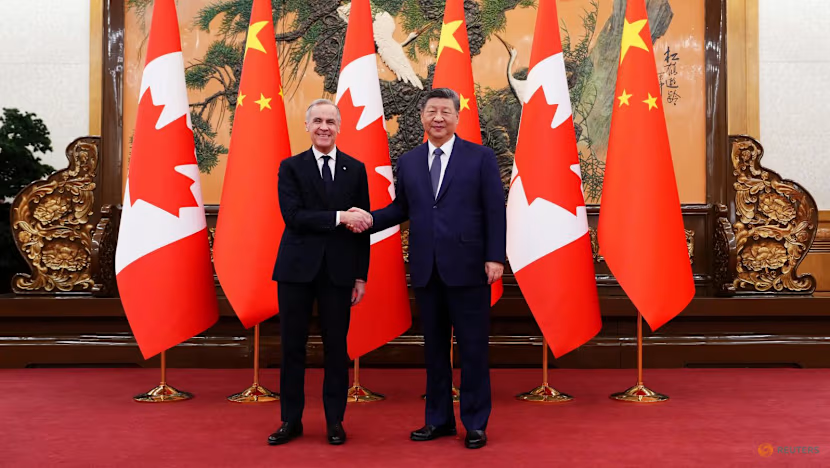
Canadian Prime Minister Mark Carney and Chinese President Xi Jinping led the discussions that resulted in the agreement. The leaders met to address long-standing trade and travel issues. They stressed the importance of open communication and cooperation. Both sides agreed that strong diplomatic engagement can resolve economic disputes. The talks helped create a positive environment for progress and laid the groundwork for improved China Canada bilateral relations.
Tariff Reductions Support Trade Growth
Lower Costs for Businesses and Exporters
The agreement includes plans to reduce tariffs on several key products. This step will lower costs for businesses in both countries. Exporters will find it easier to access new markets. Companies can improve supply chains and increase profits. Trade experts believe the tariff cuts will strengthen China Canada trade relations and encourage long-term economic cooperation.

Visa Reforms Improve Mobility
Simpler Travel for Tourists and Professionals
China and Canada also agreed to ease visa requirements. The changes will benefit tourists, students, and business travelers. Travelers will face fewer restrictions and faster processing times. This reform supports stronger people-to-people ties. Officials expect improved travel access to boost confidence and cooperation between both nations.
Tourism Set for Strong Recovery
Growth Opportunities Across the Travel Sector
The relaxed visa policies will likely increase tourism flows. More visitors will travel between China and Canada. Airlines may add new routes and flights. Hotels and local businesses can expect higher demand. Tourism growth will support jobs and regional economies. Experts see tourism as a key driver of renewed China Canada engagement.
Economic Cooperation Moves Forward
Focus on Trade, Investment, and Innovation
Both governments plan to expand cooperation beyond tariffs and visas. They highlighted opportunities in technology, agriculture, and clean energy. The agreement supports stable investment and long-term planning. Businesses now see clearer rules and better access. The deal strengthens China Canada economic cooperation and promotes sustainable growth.
Global Significance of the Deal
A Positive Message to International Markets
The landmark agreement sends a strong signal to global markets. It shows that diplomacy can resolve trade tensions. Investors may view the deal as a sign of stability. Other countries may see it as a model for cooperation. The agreement improves the global standing of China Canada relations.
Conclusion
The China Canada deal marks a major breakthrough in trade and diplomacy. Tariff reductions will support economic growth. Visa reforms will revive tourism and travel. Strong leadership and dialogue made the agreement possible. Both nations now enter a new chapter built on cooperation, trust, and shared progress.