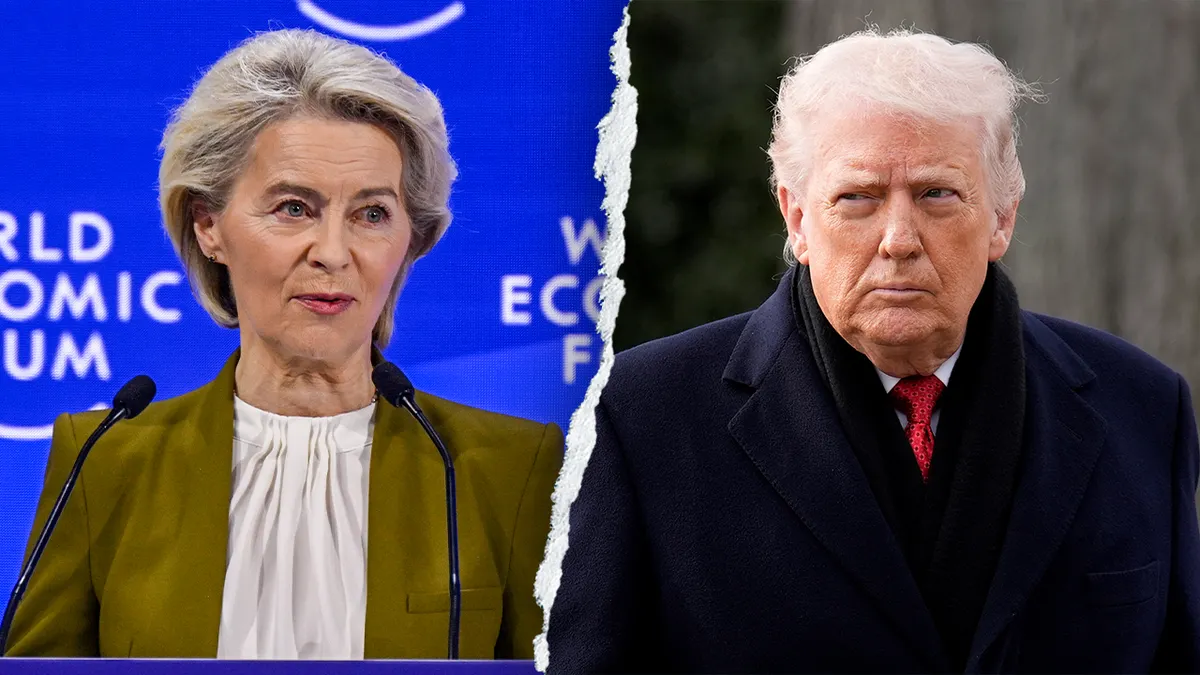
Trump Threatens 10% Tariffs
Former US President Donald Trump has issued a major economic threat to key European allies. He has warned he will impose a 10% tariff on goods from eight specific European nations. This action is directly tied to an ongoing dispute over Greenland. Trump stated the tariffs could escalate sharply to 25% by June if a satisfactory agreement over Greenland is not reached. The threat targets nations involved in supporting Greenland’s current political and economic arrangements. This move risks igniting a significant transatlantic trade conflict. It signals a return to the unilateral “America First” trade policies that characterized Trump’s previous term in office. The announcement has sent shockwaves through diplomatic and business circles in Europe and Washington.
Which Eight European Nations Face the Tariff Threat?
The eight nations targeted by the threat are key members of the European Union and close NATO partners. While an official list was not fully detailed in initial reports, the countries are believed to include Denmark, which holds sovereignty over Greenland’s foreign and defense policy. Other likely targets are nations with significant economic or scientific interests in the Arctic region. These include Germany, France, the United Kingdom, the Netherlands, Sweden, Norway, and potentially Finland or Iceland. These countries have been collectively involved in supporting Greenland’s autonomy and development, which Trump’s policy views as counter to American strategic interests in the resource-rich Arctic territory.
What is the Core Dispute Over Greenland?
The dispute centers on control and influence in Greenland, the world’s largest island. Greenland is an autonomous territory within the Kingdom of Denmark. It possesses vast untapped reserves of rare earth minerals, oil, and gas. It also holds immense strategic value for Arctic shipping lanes and military positioning. During his presidency, Trump famously expressed a desire to purchase Greenland, an offer Denmark swiftly rejected. The current dispute appears to involve continued European investment and political support that strengthens Greenland’s ties to Europe, thereby reducing potential American leverage. Trump’s threat aims to pressure European capitals to withdraw support and force Greenland into a bilateral negotiation framework directly with the United States.
 The Escalating Timeline: 10% Now, 25% by June
The tariff threat follows a clear and aggressive timeline. Trump’s statement outlines an immediate penalty of a 10% across-the-board tariff on imports from the eight nations. This would act as an initial economic pressure tactic. The warning then sets a deadline, stating that if a deal favorable to US interests regarding Greenland is not secured by June, the tariff rate will automatically increase to 25%. This steep escalation would represent a severe trade barrier, potentially making many European exports to the US market uncompetitive. The timeline creates a high-stakes diplomatic countdown, forcing European governments to choose between supporting Greenland’s current status or facing severe economic consequences for their key industries.
Potential Impact on European and American Economies
The imposition of such tariffs would have widespread damaging effects. European industries, particularly automotive, luxury goods, machinery, and agricultural products, would face significantly higher costs to sell in the United States. This could lead to lost contracts, factory slowdowns, and job losses across Europe. American consumers would face higher prices for imported goods. US companies that rely on European components for manufacturing would see their costs rise, hurting their competitiveness. Furthermore, it would almost certainly trigger immediate retaliatory tariffs from the European Union on American exports, potentially sparking a full-scale trade war that would hurt economic growth on both sides of the Atlantic during a fragile global period.
Global Reactions and Diplomatic Fallout
The international reaction has been one of alarm and condemnation. European leaders have denounced the threat as “economic blackmail” and a severe breach of alliance trust. NATO officials are privately concerned about the security implications of fracturing the alliance over an economic dispute. In Denmark and Greenland, there is anger at being treated as a bargaining chip. Global markets reacted nervously to the news, with stocks in affected sectors falling. The move also complicates US foreign policy, signaling a return to transactional and confrontational tactics that alienate traditional partners. It forces other nations to reconsider their reliance on the United States as a stable economic partner.
A Preview of a Potential Future Trade Policy
This threat is a stark preview of the trade policy a future Trump administration might pursue. It indicates a willingness to use tariffs as a primary tool of foreign policy coercion, even against close allies. The focus on Greenland highlights a continued obsession with territorial acquisition and resource control as pillars of national strength. For businesses and governments worldwide, it introduces a new layer of political risk into long-term planning. The situation underscores the profound uncertainty surrounding international trade relations. All parties must now prepare for a scenario where alliance structures are secondary to unilateral economic demands, potentially reshaping global trade patterns and diplomatic alliances for years to come.