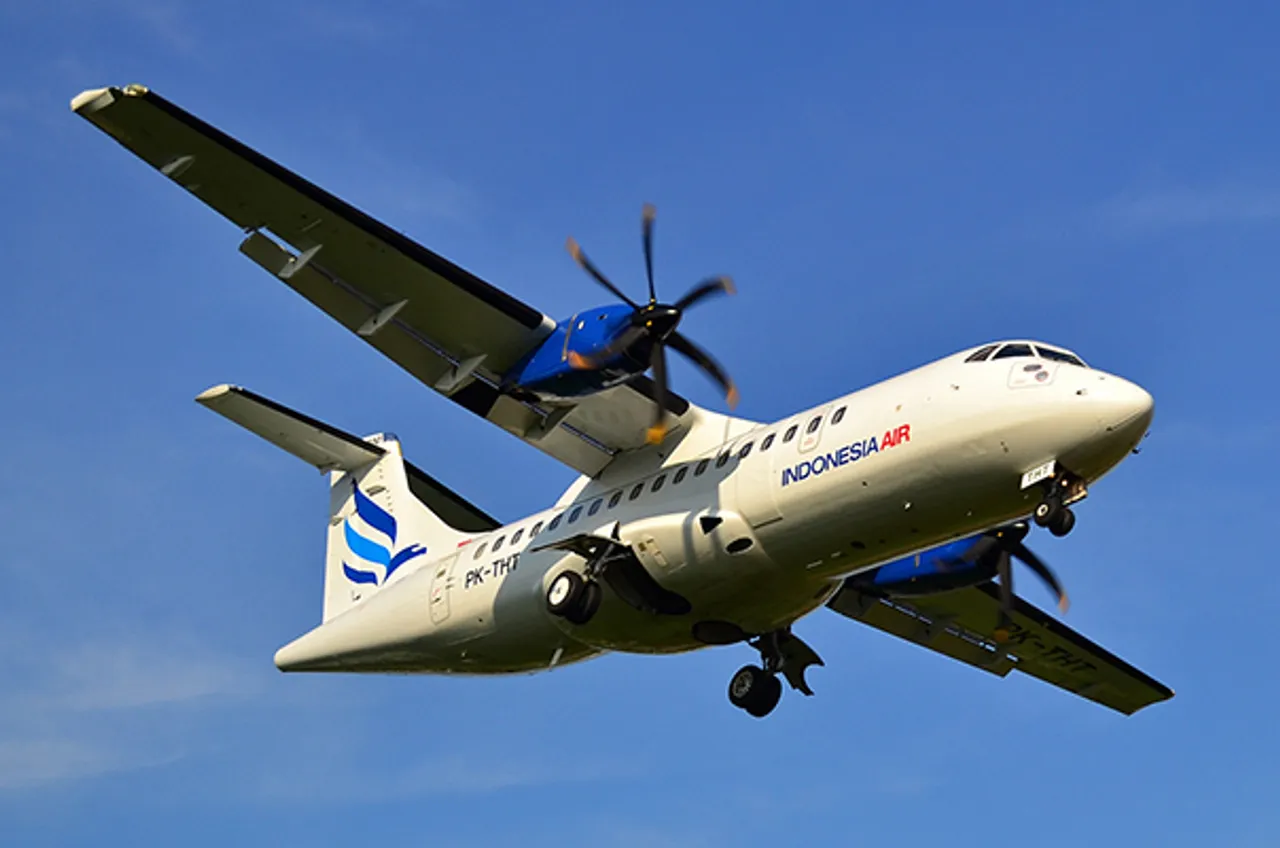
Major Search Underway
Indonesia has launched a major rescue and recovery operation. A small passenger plane is missing with eleven people on board. The aircraft disappeared from radar during a scheduled flight. The search effort is now fully mobilized on land and in the air. The Indonesian Air Force has deployed planes and helicopters to scan a vast area. Hundreds of volunteers and local emergency teams are combing difficult terrain on foot. The operation focuses on the last known location of the flight in a mountainous region. Authorities are working urgently to locate any sign of the aircraft and its passengers and crew. This incident has triggered a nationwide response, highlighting the challenges of aviation in Indonesia’s complex archipelago geography.
Missing Aircraft and Flight
The missing aircraft is a DHC-6 Twin Otter, a model commonly used for short flights in remote areas. It was operated by a local charter airline. The plane was carrying nine passengers and two crew members, totaling eleven souls on board. It departed from a city on one island for a relatively short domestic flight to another location. The flight was scheduled to last under two hours. Contact was lost with air traffic control approximately halfway through its intended route. The plane was flying over a region known for its dense jungles and steep mountains. No distress signal was received from the pilots before communications ceased, adding to the urgency and mystery of the situation.
The Massive Multi-Agency Search
The response has been swift and large-scale. Indonesia’s National Search and Rescue Agency (BASARNAS) is leading the effort. The Indonesian Air Force has committed significant assets, including C-130 Hercules transport planes for broad surveillance and helicopters for closer inspection of potential sites. On the ground, police, military personnel, and volunteers from local communities are forming search parties. These teams are trekking into remote areas that are inaccessible to vehicles. They are following riverbeds and ridge lines, looking for any debris, wreckage, or signs of the plane’s passage. Weather conditions in the search zone are a significant factor, with fog and rain periodically hampering visibility for air units and making ground searches more dangerous.
 The Challenges of Searching
Indonesia’s landscape presents immense difficulties for search teams. The suspected crash area is characterized by thick tropical rainforest, deep ravines, and high peaks. This terrain can easily conceal wreckage from aerial observation. The jungle canopy is dense, making it hard for satellites or planes to spot anomalies. Ground teams face exhausting hikes through muddy, uneven land with the constant threat of wildlife and landslides. Furthermore, the vastness of the search area means resources must be spread thin. Coordinating between air and ground teams across such challenging geography requires precise communication and immense physical endurance from all involved. Every hour that passes adds to the complexity of the mission.
The Families’ Anguish
Eleven families are now living through a nightmare of uncertainty. They are gathered near operational command centers, awaiting any news. The government is providing them with support and regular briefings. The nation is watching closely, hoping for a miracle. Indonesia has experienced aviation tragedies in the past, which adds a layer of collective anxiety to this event. Social media is flooded with messages of support and prayers for the safe return of those on board. The search is not just a logistical mission; it is a race against time driven by the desperate hope of families and a nation willing the search teams to find their loved ones alive.
The Role of Technology
Modern technology is playing a crucial role in the search. Authorities are analyzing the plane’s last radar data to narrow the search corridor. Satellite imagery is being scrutinized for any signs of disturbance in the forest cover. However, in such dense terrain, technology has its limits. Indonesia has not yet called for formal international aid, but neighboring countries and aviation experts are likely on standby to offer assistance if requested. This could include specialized aircraft with advanced sensing equipment or teams with particular expertise in mountain and jungle rescue operations. The priority remains using every available tool to cover the maximum possible area as quickly as conditions allow.
A Race Against Time
The search for the missing Indonesian plane is a profound race against time. The first 72 hours are considered critical for finding survivors in any air disaster. Search teams are pushing day and night, guided by determination and the faintest hope. This incident underscores the inherent risks of air travel in one of the world’s most geographically challenging nations. It also showcases the bravery and coordination of Indonesia’s emergency response forces and the compassion of its people, who volunteer to help in times of crisis. The world watches and waits, hoping for a positive outcome as the difficult and dangerous search continues across land and air.