A New Trade Weapon Explained
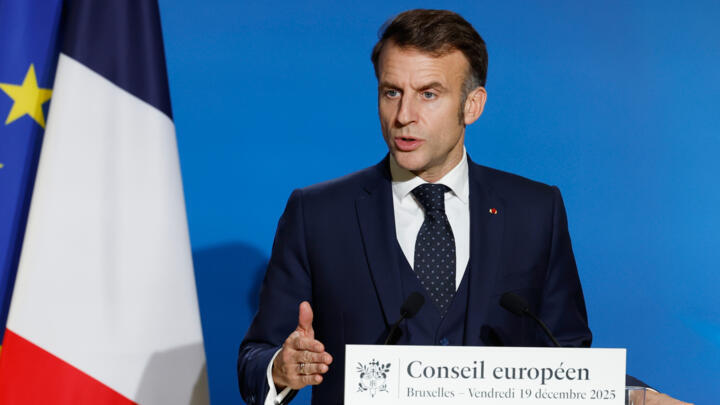
The European Union has loaded a powerful new trade weapon. It is called the Anti-Coercion Instrument. French President Emmanuel Macron recently suggested using it. The target could be the United States. This tool is the EU’s legal answer to economic bullying. It allows the bloc to fight back against trade coercion. Many analysts call it the EU’s trade “bazooka.” It represents a major shift in how Europe defends its interests. The EU is no longer willing to be a passive player in global trade conflicts. It now has a formal mechanism to retaliate. This move signals a more assertive European trade policy. The world is watching how this new instrument might reshape international disputes.
What Is the EU Anti-Coercion Instrument?
The Anti-Coercion Instrument, or ACI, is a new trade defense tool. The European Union formally adopted it in late 2023. Its sole purpose is to deter and respond to economic coercion. Coercion happens when a country tries to pressure the EU or a member state. This pressure aims to force a change in policy. The ACI gives the EU a lawful way to fight back. It provides a range of potential countermeasures. This legal framework did not exist before. Now, the EU has a clear process to follow.
Why Did the EU Create This ‘Bazooka’?
The EU felt vulnerable to economic pressure from major powers. Instances of trade coercion have increased in recent years. The bloc saw a need for a powerful deterrent. The instrument aims to protect the EU’s sovereignty. It ensures member states can make independent policy choices. They should not fear unfair economic retaliation. The “bazooka” nickname reflects its potential strength. It is designed to make other nations think twice before applying pressure. The EU wants to level the playing field in geopolitical disputes.
 How Would the Anti-Coercion Instrument Work?
The process would begin with an investigation. The European Commission would assess if coercion occurred. It would talk to the country accused of coercion. The goal is to find a diplomatic solution first. If talks fail, the EU can impose countermeasures. These measures are a last resort. The entire process must comply with World Trade Organization rules. It is a structured, legal approach to retaliation.
What Countermeasures Could the EU Use?
The range of possible responses is very broad. The EU could impose high tariffs on specific imports. It could restrict services from the coercing country. The bloc could limit intellectual property rights. It could also restrict access to EU public procurement markets. The Commission can also get creative with financial measures. The chosen response must be proportional to the coercion. The law requires a careful balance between strength and fairness.
Why Is Macron Mentioning It Against the US?
President Macron’s comment was a clear warning. It followed US policies that hurt European industries. The US Inflation Reduction Act is a key example. This law offers massive subsidies for American-made green technology. European companies say it puts them at a huge disadvantage. They call it “discriminatory.” The EU feels the act coerces investment away from Europe. Macron is signaling Europe’s frustration. He is showing the US that the EU now has a formal tool to respond. It moves the dispute beyond mere diplomatic complaints.
What Are the Risks of Using the Instrument?
Using the “bazooka” carries significant risk. It could escalate a trade dispute into a full-blown trade war. Retaliation could harm European consumers and businesses. It might increase prices on certain goods. Global supply chains could face new disruptions. Some EU members worry about provoking powerful partners. The instrument’s success depends on credible threat. Overuse could weaken its deterrent effect. The EU must be prepared for economic and political fallout.
The Future of EU-US Trade Relations
The Anti-Coercion Instrument now sits on the table. Its mere existence changes EU-US trade dynamics. The United States must now calculate the risk of EU retaliation. Experts believe the EU will try diplomacy first. But the “bazooka” is now loaded and ready. It empowers the EU to negotiate from a stronger position. The coming months will test this new tool. The world will see if it deters coercion or sparks further conflict. One thing is certain: European trade policy has entered a new, more assertive era.