Balanced Childhood Development
In today’s world, screens dominate a child’s daily life. Tablets, phones, and computers crowd out essential developmental activities. A growing movement now pushes back against this digital tide. This movement is called Mission Play. It focuses on a simple but powerful idea. The organization creates dedicated space for physical and creative play in a child’s routine. It reminds parents and educators why play still matters profoundly. Play is not just a frivolous break from learning. It is the fundamental work of childhood. It builds brains, bodies, and social skills in ways screens simply cannot replicate.
Understanding the Crisis of the Disappearing Playground
Modern childhood looks dramatically different from past generations. Children spend many hours each day engaged with digital devices. This screen time often replaces traditional outdoor and imaginative play. This shift creates a significant developmental imbalance. Kids miss critical opportunities to run, climb, and explore with their bodies. They also miss chances to invent games, negotiate rules with friends, and solve problems creatively. The virtual world offers structured, passive entertainment. The real world offers unpredictable, active engagement that is crucial for healthy growth. Mission Play aims to restore this vital balance.
The Core Mission: Reintegrating Physical Play
A central pillar of Mission Play is promoting physical activity. This goes beyond organized sports. It champions unstructured, joyful movement. This includes running in a park, climbing a tree, jumping in puddles, or simply rolling down a hill. Physical play develops motor skills, coordination, and overall physical health. It teaches children about their bodies’ capabilities and limits. It also reduces stress and improves focus. By creating programs and safe spaces for this kind of play, Mission Play helps children build a strong physical foundation and a lifelong love for being active.
 The Essential Role of Creative and Imaginative Play
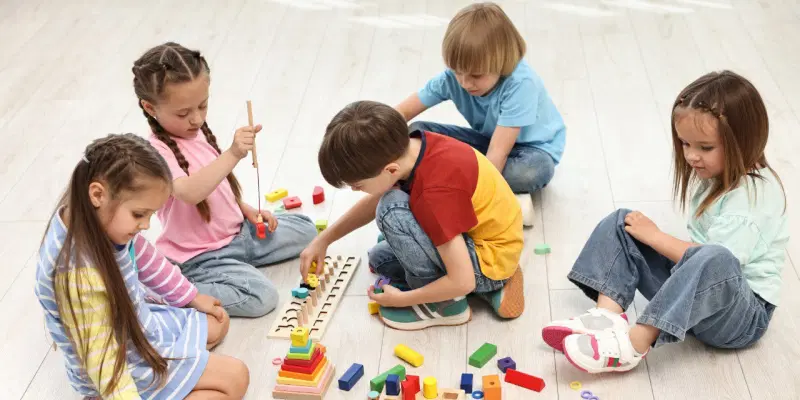
Equally important is creative play. This is play driven by a child’s own imagination, not by a pre-programmed app. It involves building forts, putting on puppet shows, pretending to be explorers, or creating art with simple materials. Mission Play provides tools and environments that spark this creativity. Creative play is the engine for cognitive development. It fosters problem-solving, innovation, and abstract thinking. It allows children to process their emotions and experiences. It is where they learn to tell stories, collaborate, and view the world with wonder and possibility.
The Proven Developmental Benefits of Unstructured Play
Extensive research supports the Mission Play philosophy. Unstructured play is linked to better executive function. This includes skills like self-control, memory, and mental flexibility. Play helps children learn to regulate their emotions and cope with frustration. Social play teaches empathy, communication, and conflict resolution. When children make their own fun, they learn resilience and independence. These are the exact skills needed for success in school and later in life. Mission Play translates this scientific evidence into practical, accessible initiatives for communities and families.
Practical Steps for Parents to Bring Back Balanced Play
Mission Play offers clear guidance for parents feeling overwhelmed by screens. Start by designating daily “screen-free” time. Create a simple play space at home with open-ended toys like blocks, dress-up clothes, and art supplies. Prioritize outdoor time every day, even if it is just a walk or time in the backyard. Encourage boredom, as it is often the gateway to creativity. Play with your child without directing the activity. Most importantly, model balanced behavior by putting your own devices away and engaging in the real world alongside your child.
How Communities and Schools Can Support the Mission
Change requires a collective effort. Mission Play works with schools to integrate more recess and free-play periods into the day. It encourages communities to build and maintain accessible, stimulating playgrounds and public play spaces. Libraries and community centers can host play-based workshops and events. The goal is to make play a visible and valued community priority. When everyone—from teachers to city planners—understands play’s importance, they can create environments where children naturally engage in the balanced, enriching play they need to thrive.
The Lasting Impact on a Child’s Future
Investing in balanced play is an investment in the future. Children who engage in regular physical and creative play grow into more adaptable, innovative, and emotionally intelligent adults. They have stronger bodies and more resilient minds. They are better equipped to collaborate and solve complex problems. Mission Play is not about eliminating technology entirely. It is about ensuring that technology does not eliminate the irreplaceable human experiences of physical exertion and unfettered imagination. It is about giving every child the childhood they deserve—one filled with the simple, profound joy of play.
The message of Mission Play is urgent and vital. In a crowded digital landscape, we must fiercely protect space for the messy, joyful, and essential work of play. By bringing balanced play back into childhood, we are not taking something away from children. We are giving them the greatest gifts: health, creativity, connection, and the foundational skills for a happy and successful life. The mission starts with a single step away from the screen and into a world of real, boundless possibility.