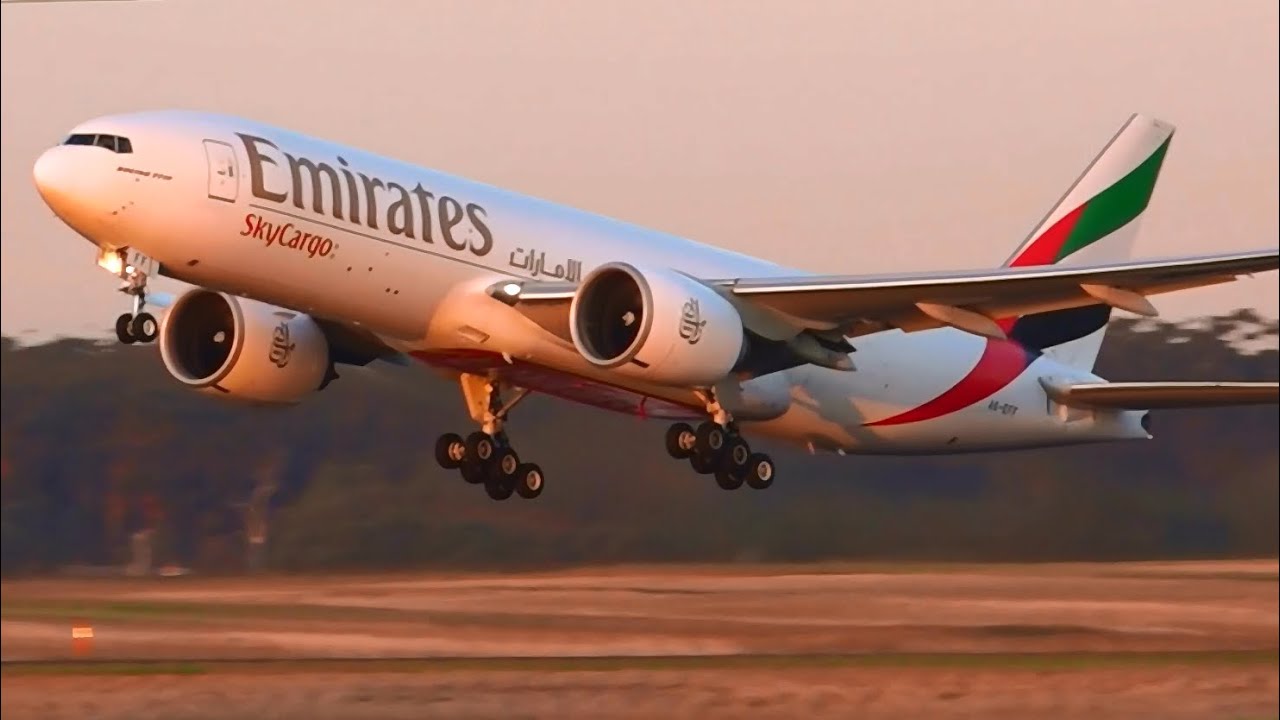
Dubai Customs and Emirates SkyCargo
Dubai Customs and Emirates SkyCargo have launched a major initiative. The two entities are moving to integrate their cargo management systems. This integration connects maritime and aviation logistics processes. The goal is to create a seamless flow for sea-air cargo shipments. Officials from both organizations confirmed the strategic partnership. They stated the integration will directly enhance Dubai’s trade ecosystem. This move strengthens Dubai’s position as a leading global logistics hub.
New System Aims to Reduce Cargo Delays Significantly
The primary benefit of this integration is reducing delays. Sea-air cargo involves complex coordination between ships and planes. Goods arrive at Jebel Ali Port by sea. They then move to Dubai World Central (DWC) by road for air transport. Previously, separate systems for customs and air cargo caused information gaps. These gaps led to processing holdups and waiting times. The new integrated system provides real-time data sharing. This allows for pre-arrival customs clearance and smoother handoffs. Shipments will move faster through the Dubai logistics corridor.
Lowering Operational Friction for Freight Forwarders
Officials highlight the reduction of operational friction. Friction refers to unnecessary steps, paperwork, and manual checks. The integrated system automates many standard procedures. It creates a single digital window for logistics providers. Freight forwarders can submit all required documents in one place. They can track their sea-air cargo seamlessly from port to airport. This automation cuts administrative burdens. It minimizes human error and speeds up decision-making. Lower friction means lower costs and higher reliability for customers.
Enhancing Dubai’s Sea-Air Logistics Corridor Efficiency
Dubai’s sea-air logistics corridor is a vital trade route. It combines the cost-effectiveness of sea freight with the speed of air cargo. Goods from Asia can ship to Jebel Ali. They then fly quickly to Europe or Africa. This model saves time and money compared to all-sea or all-air routes. The system integration makes this corridor much more efficient. Faster turnaround times at the interface point are crucial. Improved efficiency attracts more global freight to use Dubai’s unique infrastructure. It directly supports Dubai’s economic diversification goals.

Digital Integration is Key for Modern Supply Chains
This move underscores a key trend in global trade. Modern supply chains require digital integration. Siloed systems create bottlenecks and lack of visibility. Dubai Customs and Emirates SkyCargo are breaking down these silos. They are creating a connected data environment. This digital transparency is what shippers demand today. It allows for better planning and inventory management. It also improves security and compliance monitoring. The partnership sets a new standard for multimodal logistics hubs worldwide.
How the Integrated Sea-Air System Works for Shippers
The process becomes simpler for shippers and agents. A freight forwarder will log into a unified digital platform. They will submit the shipment details and electronic documents. Dubai Customs will process the security and customs declarations in advance. The system will notify Emirates SkyCargo about the incoming cargo. All necessary approvals and slot bookings are coordinated digitally. When the cargo arrives at DWC, it is pre-cleared and ready for build-up. The physical movement is matched by a seamless digital thread. This end-to-end visibility is a major competitive advantage.
Supporting Dubai’s Economic Vision D33
This initiative strongly supports the Dubai Economic Agenda D33. The agenda aims to double the size of Dubai’s economy. It focuses on making Dubai a top global hub for trade and logistics. Integrating key systems like this is a practical step toward that vision. It enhances the emirate’s soft infrastructure. Competitive advantages are built on speed, cost, and reliability. By reducing delays and friction, Dubai becomes a more attractive gateway for international trade. This project aligns with wider smart city and digital government strategies.
Building Resilience in Global Supply Chains
The integration also builds supply chain resilience. Recent global events showed the fragility of disconnected logistics networks. A unified system provides better control and predictability. It allows for quicker reactions to disruptions. If a ship is late, the airline can be alerted automatically. Alternative plans can be made faster. This resilience is valuable for companies managing just-in-time inventories. It makes Dubai a more reliable partner in the global logistics network.
Expected Impact on Dubai’s Cargo Volumes and Growth
The long-term impact on cargo volumes is expected to be positive. A more efficient sea-air model will attract new business. Logistics companies choose routes based on total cost and transit time. Dubai’s improved offering will be compelling. This can lead to increased throughput at both Jebel Ali Port and Dubai World Central. Growth in cargo volumes supports the entire aviation and maritime ecosystem. It creates jobs and stimulates ancillary services. It reinforces Dubai’s hub-and-spoke model for global trade.
A Model for Future Multimodal Logistics Partnerships
The partnership between a customs authority and an airline is notable. It shows the importance of cross-entity collaboration. The success of this integration could become a model for other regions. It may inspire similar projects in other global logistics hubs. The focus on customer experience for freight forwarders is key. By working together, Dubai Customs and Emirates SkyCargo are solving a real industry problem. They are enhancing Dubai’s value proposition as the world’s premier logistics center.