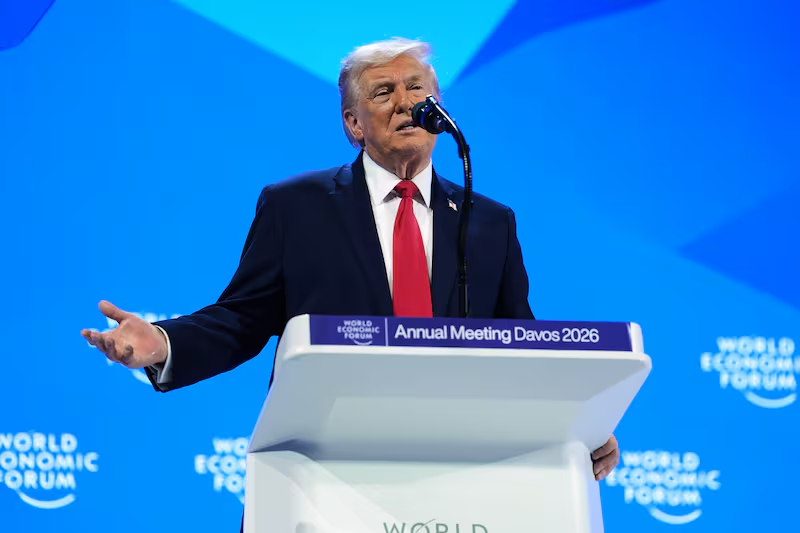
Trump Davos 2026 speech
The World Economic Forum in Davos became a stage for sharp geopolitical commentary. US President Donald Trump delivered a defining speech at the 2026 summit. He presented a stark contrast between two economic models. President Trump strongly criticized what he termed Europe’s ongoing “decline.” He simultaneously championed the United States’ robust economic growth under his leadership. This message was delivered to a powerful global audience. The Davos summit gathered nearly three thousand participants from one hundred thirty nations. The attendees included heads of state, CEOs, and influential financiers.
President Trump’s critique of Europe was direct and multifaceted. He pointed to sluggish growth rates across major European economies. He highlighted burdensome regulations and high energy costs as key handicaps. The speech argued that a lack of economic sovereignty weakened the continent. Trump contrasted this with his “America First” policy achievements. He cited record-low unemployment and strong GDP expansion in the US. The narrative framed Europe as a cautionary tale of bureaucratic overreach. It positioned the United States as the world’s primary engine of prosperity and innovation.
The speech served as a powerful platform to tout US economic success. President Trump listed specific metrics to validate his claims. He referenced stock market peaks and renewed manufacturing strength. He emphasized massive domestic energy production and strategic tax reforms. The message was clear: American policies deliver superior results. This performance aimed to attract global investment capital back to the United States. It sought to reassure the international business community of America’s premier status. The tone was confident and aimed at projecting unwavering economic strength.
The Davos 2026 summit provided the perfect backdrop for this address. The annual meeting is the world’s most prominent gathering for economic dialogue. Its theme often centers on global cooperation and future challenges. President Trump’s unilateralist message created a deliberate counterpoint. He spoke to an audience deeply invested in multilateral institutions and global trade frameworks. His criticism of Europe questioned the very foundation of the European Union’s project. The setting amplified the speech’s disruptive and headline-grabbing nature.
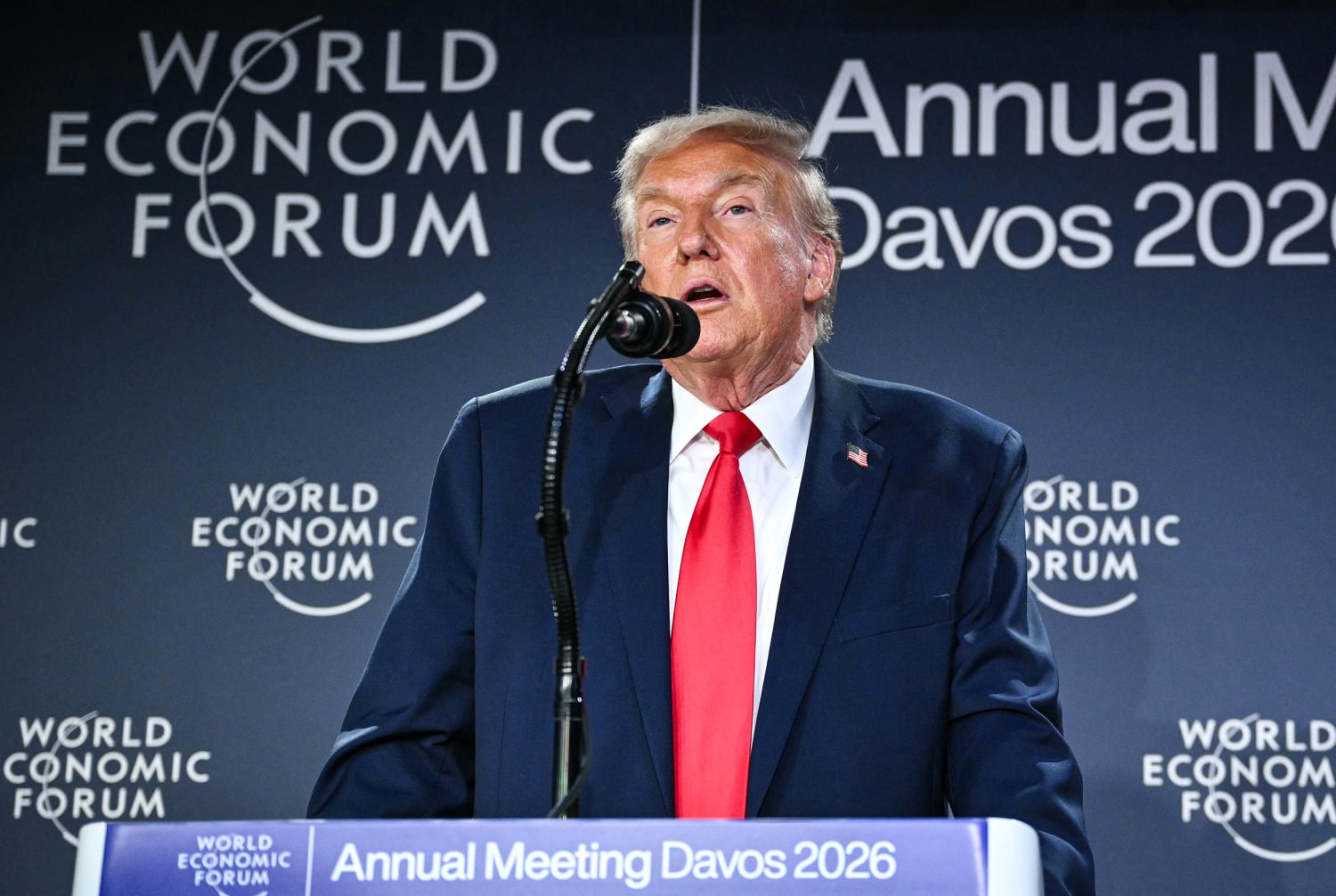 European leaders at the summit were placed in a defensive position. Immediate reactions ranged from diplomatic disagreement to clear frustration. Some officials pointed to Europe’s own economic resilience and social stability. They emphasized the continent’s leadership in green technology and digital privacy. The pushback highlighted a fundamental philosophical divide. The conflict was between Trump’s nationalist capitalism and Europe’s model of regulated social market economies. This exchange became a central drama of the entire Davos conference.
The global reaction from other nations was mixed and strategic. Allies in Asia and the Middle East listened carefully. They gauged the implications for their own trade and security partnerships. The speech forced every attending delegate to reconsider their economic alignment. Emerging markets evaluated the appeal of the US growth model. The address effectively framed the next decade’s central economic debate. It asked a compelling question: which system best delivers security and prosperity for its citizens?
Financial markets analyzed the speech for immediate policy signals. Investors looked for clues on future US tariff positions or Federal Reserve appointments. The reaffirmation of a strong America was generally welcomed by Wall Street. However, the criticism of Europe introduced fresh uncertainty for multinational corporations. Companies with complex supply chains spanning the Atlantic felt new anxiety. The speech underscored a volatile and fragmented global economic landscape. It signaled that geopolitical rivalry would continue to define market dynamics.
The long-term impact of this Davos address will be significant. It cemented a clear ideological battle line for the coming years. It demonstrated that the US, under Trump, rejects consensus-driven globalism. The speech will influence policy debates within European capitals for months. It may accelerate internal reforms aimed at boosting competitiveness. Conversely, it may also strengthen the resolve of those defending Europe’s distinct social contract. The forum’s dialogue was irrevocably shaped by this confrontational and memorable presentation.
President Trump’s appearance achieved its core political objectives. It dominated global news cycles for days. It reinforced his brand of economic nationalism to a domestic audience. The speech effectively used the Davos platform as a megaphone for “America First.” It contrasted his record directly with the performance of other Western leaders. This is a potent message in an election or post-election period. The stage managed to showcase his leadership style on the world’s most elite economic stage.
The 2026 Davos summit will be remembered for this pivotal moment. President Trump’s critique of Europe’s decline and promotion of US growth defined the event. It highlighted the deep fissures in the Western alliance. It set a new tone for international economic diplomacy. The speech underscored a world moving further away from post-war consensus. The journey toward fragmented blocs and great power competition appears accelerated. The forum’s ideal of collaborative solutions faced its most direct and powerful challenge.