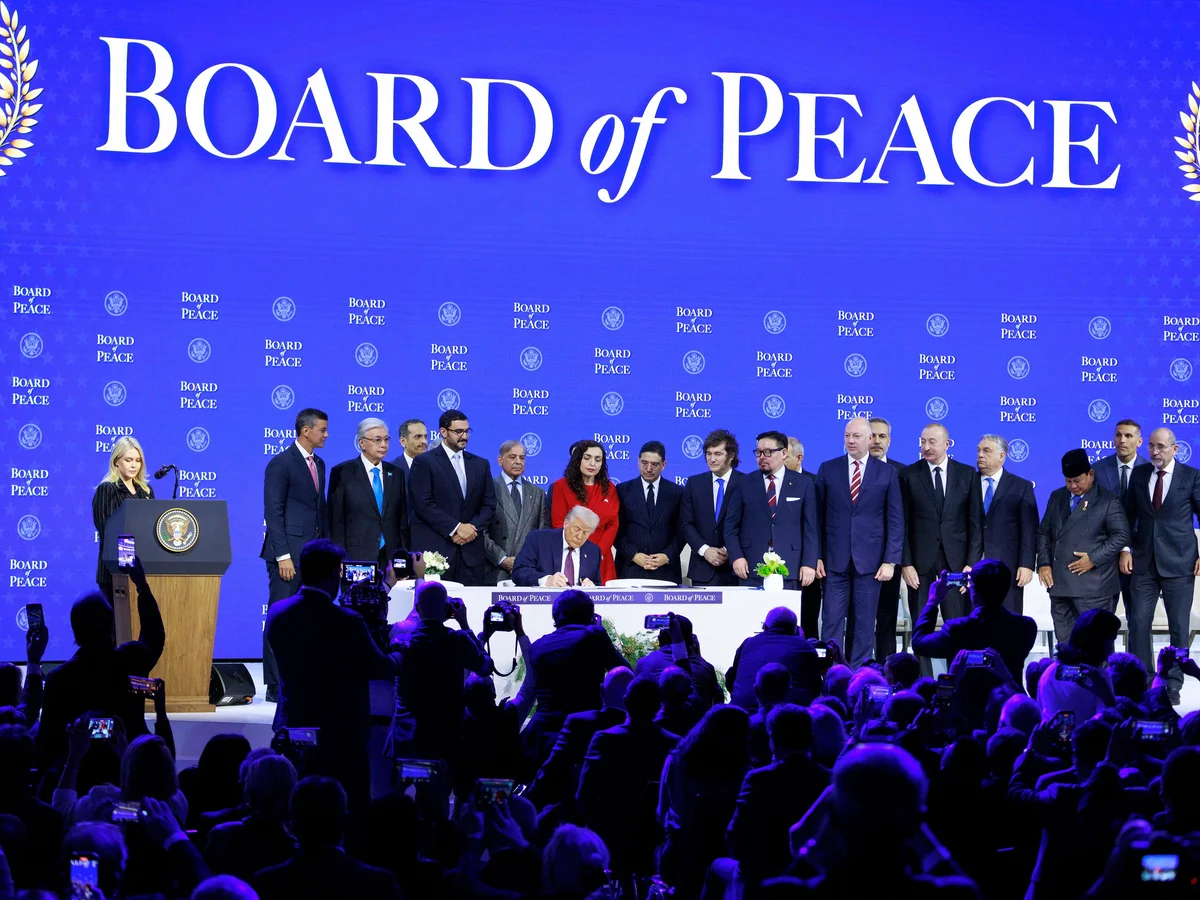
1. Canada Refuses to Join ‘Board of Peace’ Initiative
Canada has made a clear diplomatic decision. The North American nation will not participate in a proposed global peace initiative. This initiative is known as the “Board of Peace.” It was suggested by former US President Donald Trump. The official announcement came from the Canadian government in Ottawa. They did not provide a detailed public reason for their refusal. The decision follows a recent public disagreement between the two leaders. The disagreement occurred at the World Economic Forum in Davos. This marks a notable moment in Canada’s foreign policy stance.
2. The Davos Spat That Preceded the Diplomatic Snub
The context for this decision involves a direct clash of words. The conflict happened during the annual Davos forum in Switzerland. Former President Trump made comments that were critical of global alliances. Canadian leaders publicly defended their stance on international cooperation. This exchange created a visible diplomatic rift. Observers noted the unusually sharp tone from both sides. The public nature of the disagreement set the stage for the subsequent invitation withdrawal. It highlighted underlying tensions in the bilateral relationship.
3. Understanding the Withdrawal of the Invitation to Canada
An official invitation for Canada to join the board was extended. This invitation was later formally withdrawn. The withdrawal came from the organizers representing Trump’s initiative. No specific cause for the retraction was given publicly. Diplomatic analysts suggest the Davos disagreement was the direct catalyst. The sequence of events indicates a rapid deterioration in dialogue. The offer was put on the table and then taken away within a short period. This left Canada to respond to a situation that was already concluded.
4. Ottawa’s Official Statement: A Decision of Non-Participation
The Government of Canada issued a brief official response. Their statement confirmed they would not join the proposed peace board. The language used was formal and diplomatically neutral. It did not criticize the initiative or its proponents directly. It simply stated Canada’s position of non-participation. The statement notably omitted any expression of gratitude for the invitation. This is a subtle but significant diplomatic signal. It reflects a calculated and deliberate choice by Canadian foreign policy officials.
 5. Analyzing the Broader US-Canada Relations Under Current Dynamics
This incident is a symptom of a larger relationship shift. The US-Canada alliance has been a cornerstone of North American stability for decades. Recent years have seen more frequent policy disagreements. Trade, climate action, and global leadership are key friction points. Canada is pursuing a foreign policy increasingly independent of its southern neighbor. The decision on the Board of Peace fits this pattern. It shows Ottawa’s willingness to chart its own course, even when it diverges from Washington’s preferences.
6. What Is the ‘Board of Peace’ and What Are Its Stated Goals?
The “Board of Peace” is a concept promoted by Donald Trump. Details about its structure and membership remain vague. The stated goal is to resolve major international conflicts. It proposes a new forum outside existing institutions like the United Nations. Critics argue it undermines established multilateral diplomacy. Supporters claim it offers a fresh approach to entrenched wars. The initiative has yet to demonstrate concrete action or widespread international backing. Canada’s refusal is a blow to its perceived legitimacy.
7. The Significance of Canada’s Independent Foreign Policy Move
Canada’s choice carries considerable symbolic weight. It is a G7 nation and a traditional US ally. Its refusal signals to other nations that skipping this initiative is acceptable. It reinforces the value Canada places on current international systems. The move asserts national sovereignty in foreign policy decision-making. It demonstrates that alliance does not mean automatic agreement. This independence could strengthen Canada’s credibility with other multilateral partners worldwide.
8. Potential Ramifications for Future Bilateral Cooperation
The immediate fallout may be limited to this specific issue. However, the incident could affect future collaboration. Trust and rapport between the political administrations may be damaged. It could influence negotiations on shared continental issues like trade and security. The tone for future diplomatic exchanges has been set. Both sides may approach each other with more caution and formality. The long-term impact will depend on the outcome of the next US presidential election.
9. Global Reactions and the Search for Other Member Nations
The international community is watching this development closely. Other US allies are likely evaluating their own potential participation. Canada’s public refusal provides them with diplomatic cover to also decline or hesitate. The initiative now faces a challenge in attracting credible, high-level membership. The search for other founding member nations may become more difficult. This episode shows how domestic political changes in the US can create complex choices for traditional partners.
10. Looking Ahead: Canada’s Continued Role in Multilateral Peacekeeping
Canada has reaffirmed its commitment to traditional peacekeeping. Its decision does not mean a retreat from global conflict resolution. Instead, it signals a preference for working through established channels. Canada will likely increase its engagement with UN bodies and NATO initiatives. The country views these institutions as more predictable and rules-based. This choice is a defining moment for Prime Minister Justin Trudeau’s government. It clarifies Canada’s foreign policy direction for the remainder of its current term.