Why Trust Still Matters in a Noisy News World
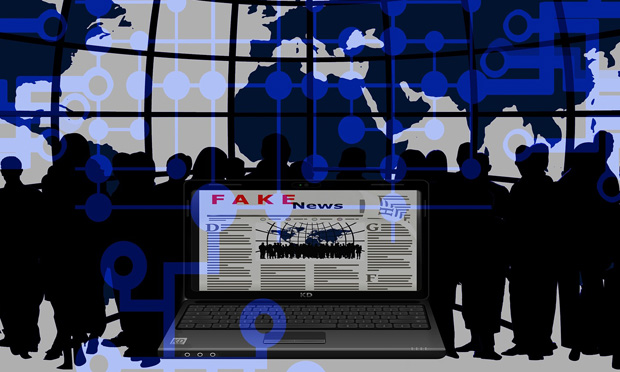
In a week filled with major headlines, the noise can feel overwhelming. Every minute brings a new alert, a new update, a new conflicting viewpoint. This constant stream makes one thing more vital than ever. That one thing is trust. The ability to trust the stories you read is not a luxury. It is the essential foundation for an informed public and a functioning society. Without trust, we are left navigating a confusing landscape of facts, opinions, and falsehoods alone.
The High Cost of Constant Information Overload
We live in an age of unprecedented information access. News comes from global wire services, social media feeds, and countless digital platforms. This abundance creates a significant problem: overload. The sheer volume makes it difficult to identify what is important and, more critically, what is true. When every source claims authority, the audience experiences fatigue and skepticism. This environment breeds confusion and disengagement, where people may simply tune out altogether.
How Misinformation Spreads Faster Than Facts in Digital Spaces
False information often travels further and faster than verified reporting. Sensational headlines and emotionally charged claims are designed for shares and clicks. They exploit algorithms that prioritize engagement over accuracy. A single misleading post can reach millions before a fact-check is even begun. This erosion of shared reality makes trust in established, accountable news sources not just preferable but necessary. Trusted journalism acts as a speed bump against the rapid spread of falsehoods.
The Essential Role of Verified Journalism and Professional Standards
Trustworthy news organizations operate with a clear methodology. They employ trained journalists who follow professional ethics. These standards include verification from multiple sources, transparency about evidence, and correction of errors. Editors review stories for fairness and context. This process is deliberate and structured to prioritize accuracy over speed. In a noisy world, this rigorous approach is what builds and maintains credibility with the public over time.
The Personal Impact: How News Trust Affects Your Decisions
The news you consume directly shapes your worldview and choices. It influences your opinions on health, finance, politics, and community safety. If your information sources are unreliable, your decisions may be based on flawed premises. Trusted news empowers you to make choices with confidence, from voting in elections to managing personal finances. It reduces anxiety by providing clear, factual context for complex events happening locally and globally.
 Identifying Red Flags: Signs of an Untrustworthy News Source
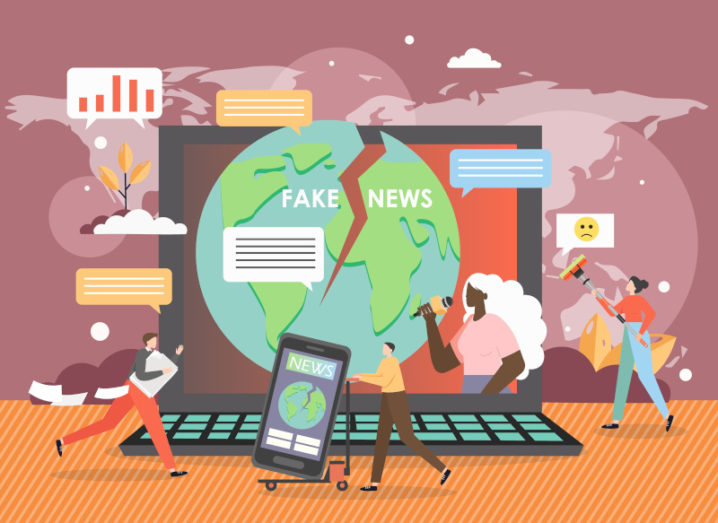
Learning to spot unreliable sources is a crucial modern skill. Major red flags include headlines that use extreme language or make unbelievable promises. A lack of named authors or clear editorial oversight is another warning. Be wary of sites that blur the line between news and opinion without clear labeling. Sources that consistently attack other media outlets rather than reporting facts should also be questioned. A trustworthy source will clearly state its sources and correct errors openly.
The Business of Trust: Why Quality Outlets Prioritize Accuracy
For serious news organizations, trust is their core product. Their business model depends on a reputation for reliability. They invest in experienced reporters, fact-checking teams, and robust editorial processes. This investment is what distinguishes them from content farms that prioritize clicks. By building a loyal audience that trusts their reporting, these outlets ensure long-term sustainability. In economic terms, trust is their most valuable asset and competitive advantage.
Practical Steps to Build Your Own Trusted News Diet
You can take active steps to improve the quality of information you consume. Start by choosing a few reputable national and international news brands with a track record of accountability. Use fact-checking websites to verify surprising claims before sharing them. Diversify your sources to get perspective from different angles, but ensure each one meets high standards. Consider subscribing to a quality outlet to directly support the work of verified journalism.
Why Community and Local News Are Cornerstones of Trust
Local newspapers and broadcasters play an indispensable role. They report on city council meetings, school boards, and local businesses. Their reporters often live in the communities they cover. This proximity creates direct accountability and a deep understanding of context. Supporting local journalism strengthens the information ecosystem at its roots. It provides a trusted, granular layer of news that national outlets cannot replicate, fostering an informed and connected community.
The Enduring Value of Trust in a Democratic Society
Ultimately, trust in news is not just a personal issue. It is a societal imperative. A shared understanding of factual reality enables productive public debate, effective governance, and collective problem-solving. When trust evaporates, consensus becomes impossible and society fragments. In another big week of news, seeking out and supporting trustworthy journalism is one of the most important actions any citizen can take. It is the bedrock upon which an informed democracy is built.