
European Car Prices Drop in India
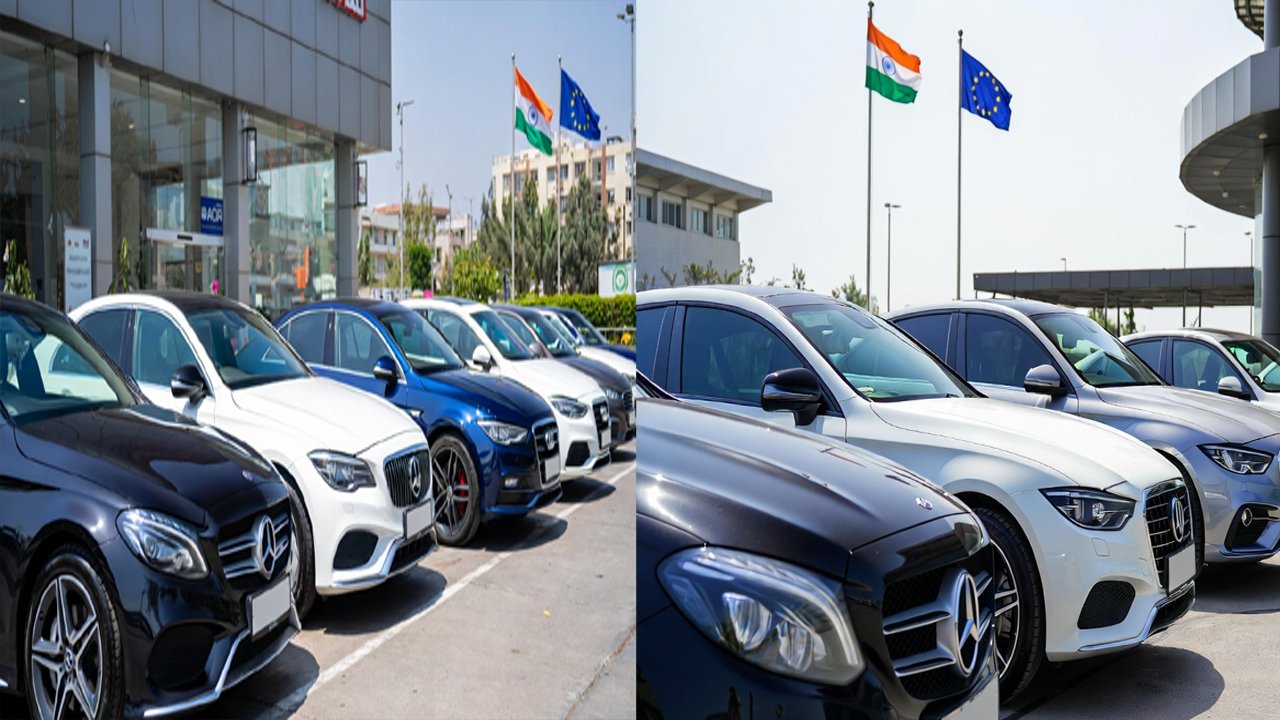
The Indian government is preparing a significant trade policy shift. It plans to implement steep tariff cuts on cars imported from the European Union. This move directly targets vehicles from major German manufacturers like BMW, Mercedes-Benz, and Volkswagen Group. The policy aims to reshape pricing in the world’s third-largest car market. Consumers could soon see noticeably lower prices for these European models. This forms a key part of a broader trade agreement being negotiated between India and the EU.
Understanding the Proposed Import Duty Reduction
Currently, India imposes a high import duty on fully built foreign cars. This tax can often reach 100% of the car’s value. The new plan would dramatically reduce this duty for EU-made vehicles over time. The reduction is likely to be phased in over several years. This will allow manufacturers and the market to adjust smoothly. Lower duties mean the final showroom price for the consumer will drop significantly. The policy is designed to make premium European cars more accessible to Indian buyers.
How BMW, Mercedes, and Audi Prices Could Change
Luxury brands stand to benefit enormously from this change. A BMW, Mercedes-Benz, or Audi sedan that currently costs a high price could see a reduction of lakhs of rupees. The exact price drop will depend on the model and the final tax agreement. These companies already have a strong presence in India. Lower prices will allow them to compete more aggressively with domestic luxury offerings. This could lead to a surge in sales volume for the German luxury segment.
Impact on Volkswagen, Skoda, and Mainstream European Brands
The tariff cut is not just for luxury vehicles. Mainstream European brands like Volkswagen and Skoda will also benefit. This could allow them to price their imported models more competitively against popular Japanese and Korean rivals in India. For example, an imported Volkswagen Tiguan SUV could become more affordable. This might encourage these brands to introduce a wider variety of global models to the Indian market. It increases choices for the Indian car buyer across multiple price segments.
The India-EU Free Trade Agreement as the Driving Force
This tariff reduction is a central component of the long-negotiated India-EU Free Trade Agreement (FTA). Both sides are pushing to finalize the deal. Lower car tariffs are a major demand from the European Union. In return, India seeks better access for its professionals and service industries in Europe. The deal is a complex exchange of concessions. A breakthrough in the auto sector could unlock the entire trade pact. It represents a strategic deepening of economic ties between two major global economies.
 Benefits for Indian Consumers and the Overall Market
Indian car buyers will enjoy more choices and better prices. Increased competition often leads to improved features and service across the industry. It could also accelerate the adoption of newer automotive technologies in India. The move aligns with what many consumers have wanted for years: access to global cars at more reasonable prices. It will make owning a premium European car a reality for a larger group of Indian professionals and entrepreneurs.
Challenges and Next Steps for Implementation
The plan is not final yet. Both sides must still sign and ratify the full trade agreement. Domestic Indian automakers may express concerns about increased competition. The government will likely implement the duty cuts in gradual stages to allow local industry to adapt. However, the direction is now clear. The Indian market is opening further, and European car brands are poised for a new, more affordable chapter. Car enthusiasts and potential buyers should watch for official announcements in the coming months.