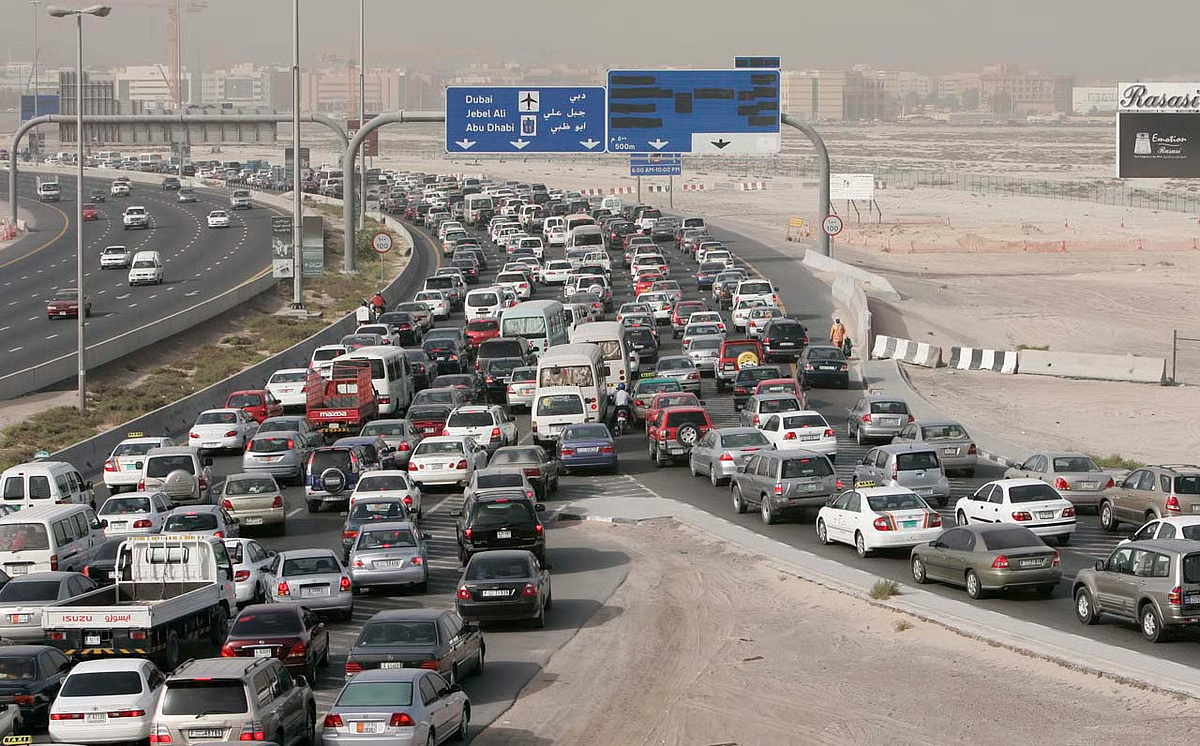
UAE Traffic Update
Commuters across the United Arab Emirates faced severe delays during Monday morning rush hour. Multiple traffic accidents caused extensive gridlock in Dubai and Sharjah. Real-time traffic data showed stop-and-go conditions on major highways. Thousands of drivers experienced significant disruptions to their morning travel. The incidents underscored the vulnerability of key road networks during peak hours. Authorities worked to clear the scenes and restore normal traffic flow. The widespread congestion affected business operations and school arrivals. This event highlights the ongoing challenges of urban mobility in the region’s bustling metropolitan corridors.
Real-Time Data Reveals Extensive Congestion on Key Routes
Live traffic monitoring systems painted a picture of severe disruption. Digital maps displayed long red and black lines along critical arteries. The congestion impacted the Sheikh Mohammed bin Zayed Road and Emirates Road. Traffic also built up on the Dubai-Hatta highway and Sharjah’s Al Wahda Street. Travel times doubled or even tripled for many frustrated drivers. Navigation apps rerouted countless vehicles through alternative residential streets. This secondary congestion spread traffic problems into new neighborhoods. The data provided a clear, instant snapshot of a paralyzed morning commute.
Multiple Accidents Block Major Dubai Highways
The initial incident involved a multi-vehicle collision on Sheikh Zayed Road near Al Barsha. This accident blocked several lanes during the peak travel period. Emergency services rushed to the location to assist motorists and clear wreckage. Shortly after, a separate accident was reported on Dubai’s Al Khail Road. This second crash compounded the growing traffic nightmare. Lane closures forced vehicles into merging maneuvers that slowed traffic to a crawl. The chain reaction of braking led to miles of tailbacks. Police and recovery teams coordinated to manage both scenes simultaneously.
Sharjah Commuters Face Standstill Traffic on Key Bridges
Traffic entering Dubai from Sharjah reached a virtual standstill. The delays affected the Al Ittihad Bridge and Sheikh Rashid Road. Vehicles lined up for kilometers as bottleneck points seized completely. The accidents in Dubai reduced the effective capacity of these crucial entry points. Commuters reported being stuck in their cars for over two hours. Many motorists abandoned their plans and returned home. The gridlock highlighted the intense pressure on cross-emirate transportation links. Public transportation also suffered from the same road delays.
 Frustrated Drivers Report Major Commute Delays
Social media filled with reports from stranded commuters. Drivers shared images and videos of the endless queues of vehicles. Many people expressed concerns about missing important work meetings and appointments. Parents worried about late arrivals for school drop-offs. The common sentiment was one of frustration and resignation. Some drivers turned off their engines to conserve fuel during the long wait. The incident sparked renewed discussions about flexible working hours and remote work options. The economic cost of lost productivity is likely significant.
Official Authorities Issue Traffic Alerts and Advice
Dubai Police and Sharjah Police activated their emergency response protocols. Official social media accounts provided continuous updates on the situation. Authorities urged drivers to use extreme caution in the affected areas. They advised motorists to follow variable message signs for lane guidance. Police also recommended that non-essential travel be postponed if possible. The rapid dissemination of information helped some drivers avoid the worst areas. Recovery vehicles worked diligently to remove damaged cars from the roadways. The coordination between different emirates’ departments was visibly active.
Alternative Routes and Safety Tips for Affected Motorists
Traffic experts suggested several alternative routes for future similar incidents. Drivers could use the Mohammed bin Zayed Road and Dubai-Al Ain Road as bypasses. Motorists were reminded to always maintain a safe following distance. This practice prevents chain-reaction collisions in sudden stop conditions. Checking live traffic apps before starting a journey is essential. Patience and calm behavior behind the wheel reduce risks for everyone. Planning travel outside peak hours remains the most effective strategy. The day’s events served as a strong reminder of the importance of defensive driving.