North Korean Ex-Diplomat
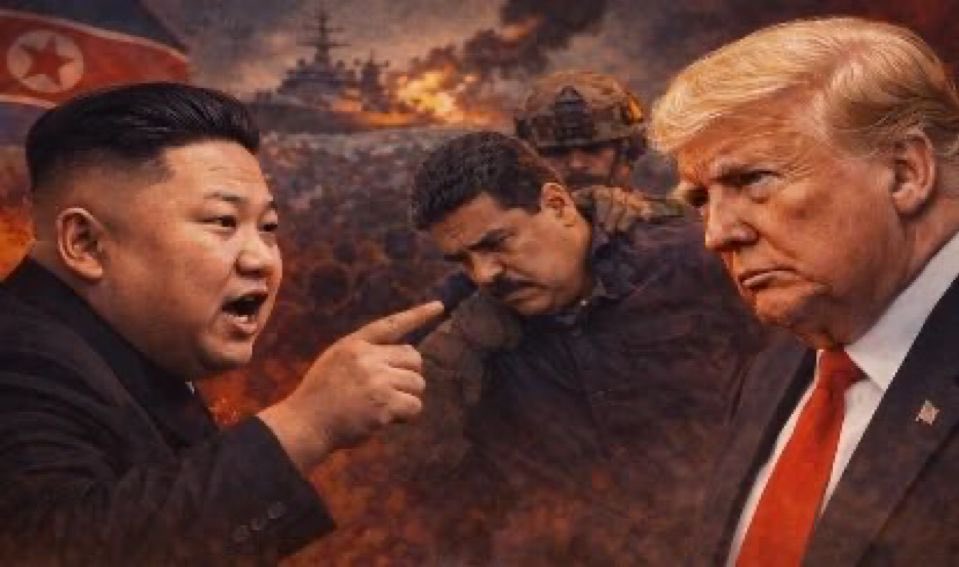
A former North Korean diplomat has issued a stark warning about international relations. The warning focuses on the political situation in Venezuela. The ex-diplomat stated that a potential US-led ouster of President Nicolás Maduro represents a “nightmare scenario” for North Korean leader Kim Jong Un. The concept of a sudden “lightning extraction” of power in Caracas is particularly alarming. This scenario is described as Pyongyang’s “worst-case scenario.” The analysis reveals the deep fears within the North Korean regime about losing a key international ally and facing increased isolation. It shows how events in one part of the world can create profound anxiety in another, demonstrating the interconnected nature of global alliances between states that often oppose United States foreign policy.
The Direct Warning from a Former North Korean Insider
The analysis comes from a person with direct experience inside the North Korean system. As a former diplomat, this individual understands the regime’s priorities and fears. They explain that Pyongyang watches Venezuela very closely. The North Korean leadership views the survival of the Maduro government as critically important. A successful removal of Maduro by external forces would send a terrifying message to Kim Jong Un. It would prove that powerful nations can topple a government quickly. This is the core of the “nightmare” for the leadership in Pyongyang, who constantly fear external intervention and the sudden loss of their own control, making the fate of fellow socialist leaders a matter of direct personal and political concern.
Why Venezuela Matters So Much to North Korea
Venezuela under Maduro is one of North Korea’s few consistent diplomatic partners. The two countries have maintained friendly relations for years. They often support each other in the United Nations and other international forums. Both nations face severe economic sanctions from the United States and its allies. This shared status as sanctioned states creates a strong bond. For North Korea, losing Venezuela would mean losing a significant voice in global politics. It would reduce the small circle of countries that do not condemn Pyongyang. This isolation is a strategic vulnerability that the North Korean regime works tirelessly to avoid, making every friendly regime a crucial pillar in its fight for legitimacy and survival.
Understanding the ‘Lightning Extraction’ Fear
The term “lightning extraction” refers to a very fast and decisive operation. It means the rapid removal of a leader from power, possibly by force. This could involve a military coup or a swift foreign intervention. For Kim Jong Un, the speed is the most frightening part. A slow political change might allow for adjustments. A sudden collapse offers no time to react. It could leave North Korea without any chance to support its ally or protect its own interests in the region. The image of a partner falling overnight fuels Pyongyang’s deepest insecurities about its own stability and the potential for a similar sudden, unstoppable action against its own leadership.
The ‘Worst-Case Scenario’ for Kim’s Regime Security
The ex-diplomat framed this as the “worst-case scenario” for Kim Jong Un personally. This is not just about foreign policy. It is about regime survival. Kim sees parallels between himself and Maduro. Both leaders face intense pressure and threats from the United States. If a powerful country can remove Maduro, it might try to remove Kim next. This belief reinforces the North Korean doctrine of military-first policy and nuclear deterrence. The nightmare is about setting a precedent. A successful regime change in Caracas could, in Kim’s view, encourage similar actions against Pyongyang, justifying his relentless focus on developing weapons that can deter any form of foreign invasion or covert action.
Historical Context of North Korea’s Paranoia
This fear is not new. It is rooted in North Korea’s long history. The Korean War created a permanent sense of existential threat. The country’s founding ideology is based on surviving in a hostile world. The collapses of governments in Iraq, Libya, and earlier in Eastern Europe were all studied closely in Pyongyang. North Korea’s leaders believe those nations fell because they were not strong enough to resist external pressure. The potential fall of Venezuela fits this pattern. It reinforces the regime’s argument to its own people that extreme militarization and isolation are necessary for survival, using external events to validate internal policies of relentless control and sacrifice.
Potential Reactions from a Cornered North Korea
Facing such a nightmare scenario, how might North Korea react? Experts suggest several possible responses. Pyongyang could become more aggressive in its weapons testing to show strength. It might seek even closer ties with other major partners like China and Russia as a protective measure. The regime could also intensify its internal propaganda. It would use Venezuela’s fate as a lesson for its citizens about the dangers of foreign influence. The ultimate goal would be to prevent any similar spark of dissent or external hope from igniting within North Korea’s own borders, leading to even stricter control over information and harsher suppression of any perceived opposition.
A Global Lesson in Authoritarian Alliances
This situation provides a clear lesson about modern geopolitics. Alliances between authoritarian states are often deeper than they appear. They are based on mutual survival, not just shared interests. A threat to one is seen as a threat to all. The nervous reaction from Pyongyang shows how events in South America can ripple all the way to East Asia. It demonstrates that regime security is the top priority for leaders like Kim Jong Un. The fear of a “lightning extraction” in Caracas is, ultimately, the fear of the same happening in Pyongyang. This interconnected fear is what makes the solidarity between such regimes so resilient and strategically significant on the world stage.