Adlai Rice A Diabetic-Friendly Grain
A unique grain is gaining attention in health food circles. Its name is Adlai rice, also known as Job’s tear. This ancient grain is now celebrated as a potential superfood for modern diets. Many people ask if it is truly diabetic-friendly. The answer seems promising. Adlai is naturally low on the glycaemic index. It is completely gluten-free. It also boasts a high protein content. This combination makes it a strong rice alternative for people watching their blood sugar or seeking nutritious options. Let’s explore what makes this grain special.
What Exactly Is Adlai Rice (Job’s Tear)?
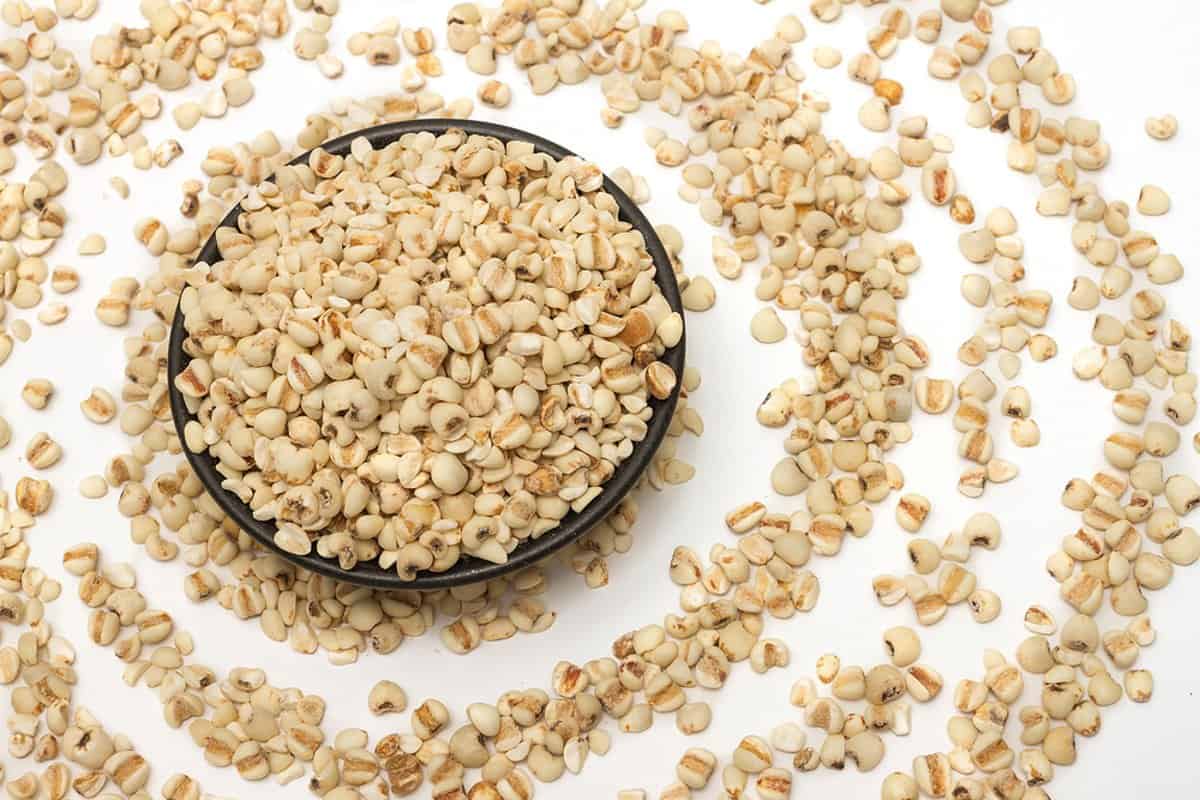
Adlai rice is not actually rice. It is the seed of a plant called Coix lacryma-jobi, commonly known as Job’s tear. The seeds are small, round, and pearly white. They look similar to pearl barley. This grain has been a staple in parts of Asia for centuries. People traditionally used it in soups, porridges, and teas. It is now becoming popular globally as a health food. Its mild, slightly nutty flavor makes it very versatile in cooking. You can use it in both sweet and savory dishes.
The Low-Glycaemic Index Benefit for Blood Sugar Control
The glycaemic index (GI) measures how quickly a food raises blood sugar. Adlai rice has a naturally low GI score. This means it digests and absorbs slowly into your bloodstream. It does not cause a rapid spike in blood glucose levels. This steady energy release is crucial for people with diabetes or prediabetes. It helps manage insulin response and reduces cravings. Choosing low-GI foods like Adlai is a smart strategy for long-term metabolic health. It supports stable energy throughout the day.
A Gluten-Free and Protein-Rich Powerhouse
Adlai offers two major nutritional advantages. First, it is naturally gluten-free. This makes it a safe and nutritious choice for people with celiac disease or gluten sensitivity. Second, it contains more protein than white rice or even quinoa. Protein is essential for building muscle, repairing tissue, and keeping you feeling full. The combination of high protein and no gluten is rare in grains. This makes Adlai a standout option for anyone looking to boost their protein intake without using animal products.
Comparing Adlai to White and Brown Rice
How does Adlai stack up against common rice? White rice is high in carbohydrates but low in fiber and protein. It has a high GI. Brown rice is better, with more fiber and a moderate GI. Adlai rice, however, outperforms both in key areas. It has a lower GI than brown rice. It offers more protein per serving. It also provides a good amount of dietary fiber for digestion. When you swap your usual rice for Adlai, you get a more balanced meal with better nutritional value.
 How to Cook and Use Adlai Rice in Your Meals
Cooking Adlai rice is simple, similar to cooking pearl barley. Rinse the grains thoroughly under cold water. Soak them for a few hours to reduce cooking time. Then, boil them in water or broth for about 45 minutes to an hour until they are tender but chewy. You can use cooked Adlai as a base for grain bowls, salads, and stir-fries. You can add it to soups and stews for extra texture. You can even make a creamy breakfast porridge with it. It absorbs flavors from spices and sauces very well.
Where to Find Adlai and Is It Worth the Switch?
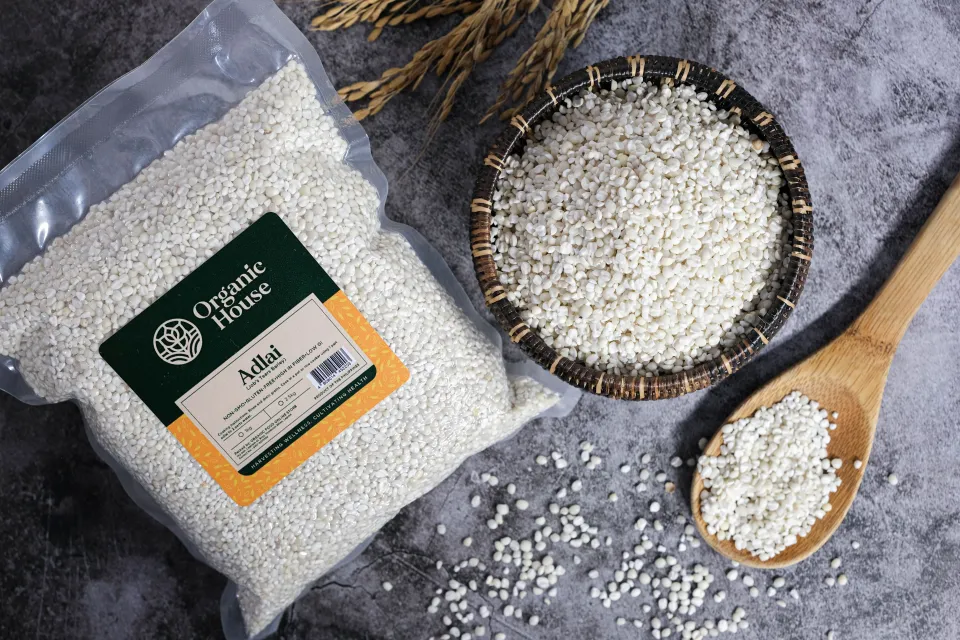
You can find Adlai rice in well-stocked health food stores, Asian supermarkets, and online retailers. It is often sold in packages labeled “Adlai,” “Job’s Tears,” or “Chinese Pearl Barley.” The price is usually higher than common rice due to its niche status. For health-conscious individuals, especially those managing diabetes or seeking gluten-free proteins, it is absolutely worth trying. It introduces variety and superior nutrition to your diet. Start by mixing it with your regular rice to get used to its texture.
A Promising Grain for a Healthier Diet
Adlai rice, or Job’s tear, lives up to its growing reputation. It is a genuinely diabetic-friendly grain due to its low GI. Its gluten-free nature and high protein content add to its appeal. For anyone looking to make a healthy swap without sacrificing satisfaction, Adlai is a compelling choice. It bridges ancient tradition and modern nutritional science. Consider adding this versatile, nutritious grain to your pantry for a simple upgrade to your meals. Your body will thank you for the steady energy and balanced nutrients.