3 Ancient Indian Sculptures
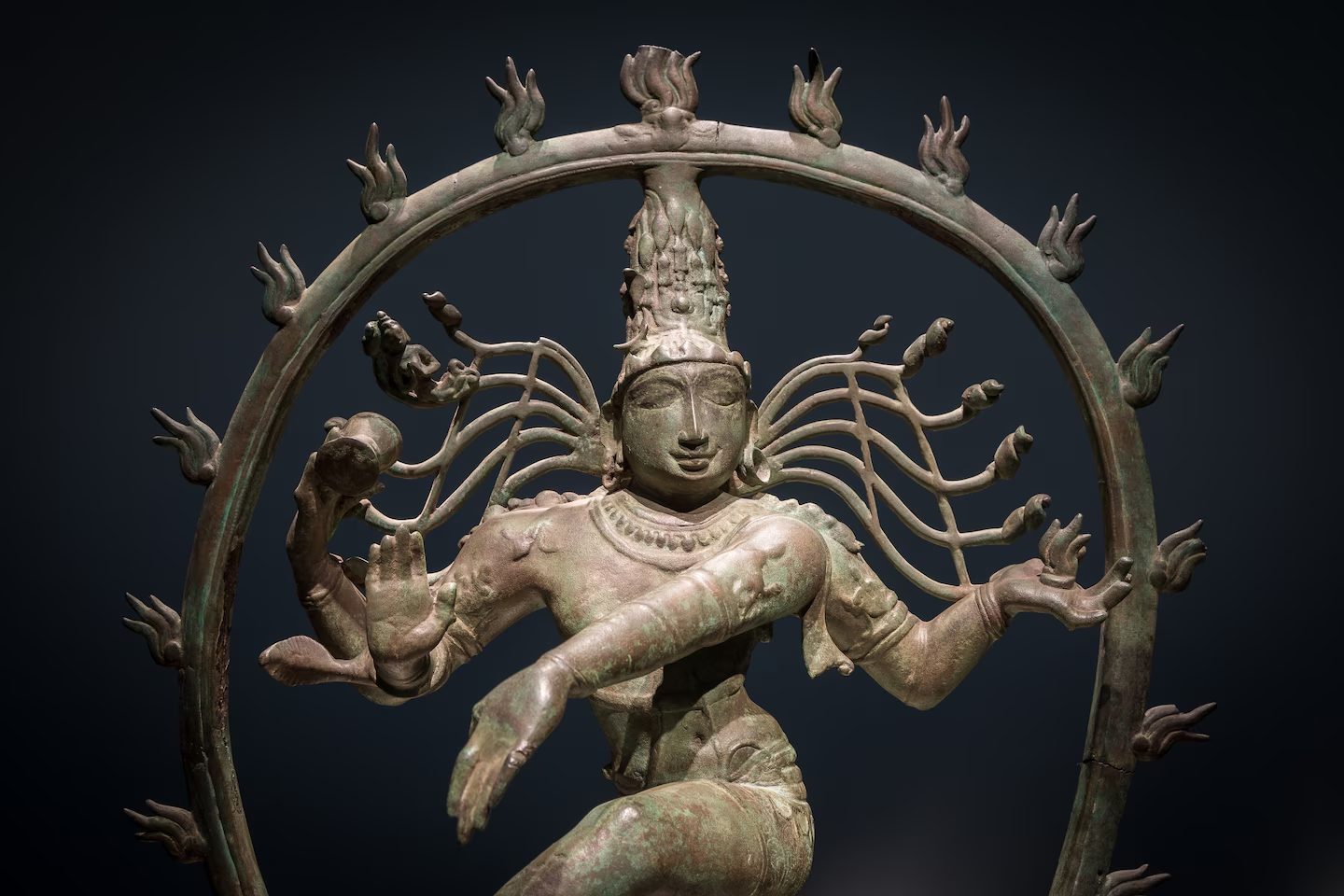
Three important Indian sculptures have finally returned home. A museum in the United States repatriated the artifacts to India. The sculptures originated from the Tamil Nadu region of South India. They are made of bronze and show incredible artistic skill. These works represent the rich cultural heritage of ancient Indian civilizations. Their return marks a successful effort in reclaiming cultural property. It highlights the global movement to restore artifacts to their countries of origin.
The Official Repatriation Ceremony and Agreement
The Smithsonian Institution’s National Museum of Asian Art facilitated the return. Officials held a formal repatriation ceremony in the United States. Representatives from the Indian government and the museum attended the event. They signed documents transferring ownership back to India. The agreement resulted from years of research and diplomatic discussion. The museum recognized the sculptures’ cultural significance to India. This act promotes ethical practices in the museum world regarding acquired artifacts.
Detailed Look at the Three Returned Bronze Sculptures
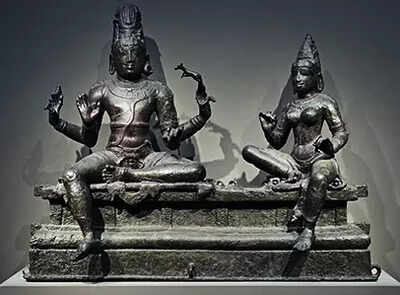
The three sculptures are masterpieces of South Indian metalwork. Art historians date them to the period between the 14th and 16th centuries. The first sculpture is a standing figure of the Hindu god Shiva. The second is a depiction of the goddess Parvati, Shiva’s consort. The third is a devotional figure of a saint or devotee. Each piece demonstrates the classic Chola and post-Chola style. The artisans used the lost-wax casting technique to create them. This method allowed for fine detail and dynamic expression in the metal.
The Remarkable Skill of South Indian Bronze Artisans
The returned items showcase extraordinary craftsmanship. South Indian artisans were experts in bronze casting for over a thousand years. They created sculptures for temple rituals and processions. The artists achieved perfect proportions and graceful poses. Delicate ornaments and flowing garments appear in fine detail on the metal surfaces. The expressive faces show deep spiritual emotion. This tradition represents one of the highest achievements in Indian art history. These returned pieces are prime examples of that skilled tradition.
The Journey: How the Sculptures Left India
The original journey of these sculptures out of India is unclear. They likely left the country during periods of colonial rule or through the illegal art market. For decades, they remained in private collections or other museums before reaching the Smithsonian. The exact path is often difficult to trace for such ancient items. Their repatriation is part of a larger effort to address historical injustices in the art trade. It corrects the removal of cultural property from its homeland.
The Significance of Repatriation for India’s Cultural Heritage
The return of these bronzes is a major event for India. It restores important pieces of the nation’s artistic and religious heritage. These sculptures are not just art objects; they are sacred icons with cultural memory. Their homecoming allows the Indian public and scholars to study them directly. It also strengthens national pride and cultural identity. This successful repatriation sets a positive example for other institutions holding foreign artifacts. It encourages more museums to examine the origins of their collections.
Next Steps: Where the Sculptures Will Be Housed in India
The Indian government will now decide the final home for the sculptures. They will likely go to a major national museum in India, such as the National Museum in New Delhi or a state museum in Tamil Nadu. Experts will conduct thorough conservation and research upon their arrival. The artifacts will be prepared for public exhibition. Their display will educate people about India’s glorious artistic past. They will be presented with proper context about their creation and their journey back to India.
A Positive Step in Global Cultural Cooperation
This repatriation is a win for international cultural cooperation. It shows that museums and nations can work together ethically. The Smithsonian’s voluntary return builds trust and respect between the US and India. It acknowledges the importance of cultural heritage to source communities. This case may inspire more institutions to take similar actions. It reinforces the idea that preserving cultural history is a shared global responsibility. The return of these three bronzes brings a piece of history back to its rightful place.