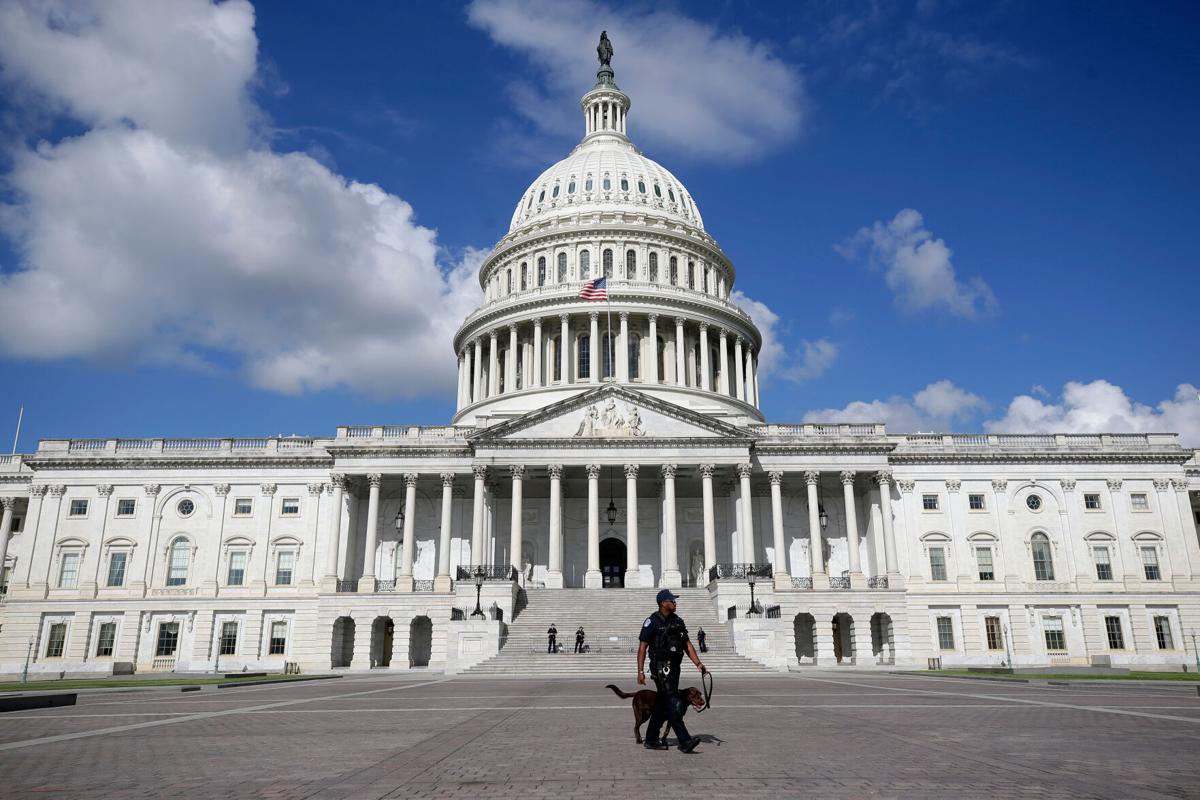
US Government Enters Shutdown
The United States federal government has officially entered a partial shutdown. This shutdown began at midnight after Congress failed to pass necessary funding. Critical funding bills did not get approval before the deadline. This affects many non-essential federal services and agencies. However, political leaders express strong confidence in a fast solution. A quick resolution is now widely expected early next week.
The Immediate Impact of the Shutdown
The shutdown triggers an immediate stop to many government operations. Non-essential federal employees must stay home without pay. National parks and museums may close or offer limited services. Some passport and visa processing will experience delays. Critical services like national security and air traffic control continue. Military personnel remain on duty but may see delayed paychecks. The full effect grows with each day the shutdown continues.
A Bipartisan Deal Reached in the Senate
Key senators from both major parties worked through the night. They successfully negotiated a stopgap spending bill to fund the government. This short-term deal is called a continuing resolution. The Senate passed this bill with a strong bipartisan majority late Friday. The agreement keeps funding at current levels for a set period. This provides more time for full-year budget negotiations. The Senate deal is the crucial first step toward reopening.
 The House Schedule for a Critical Vote
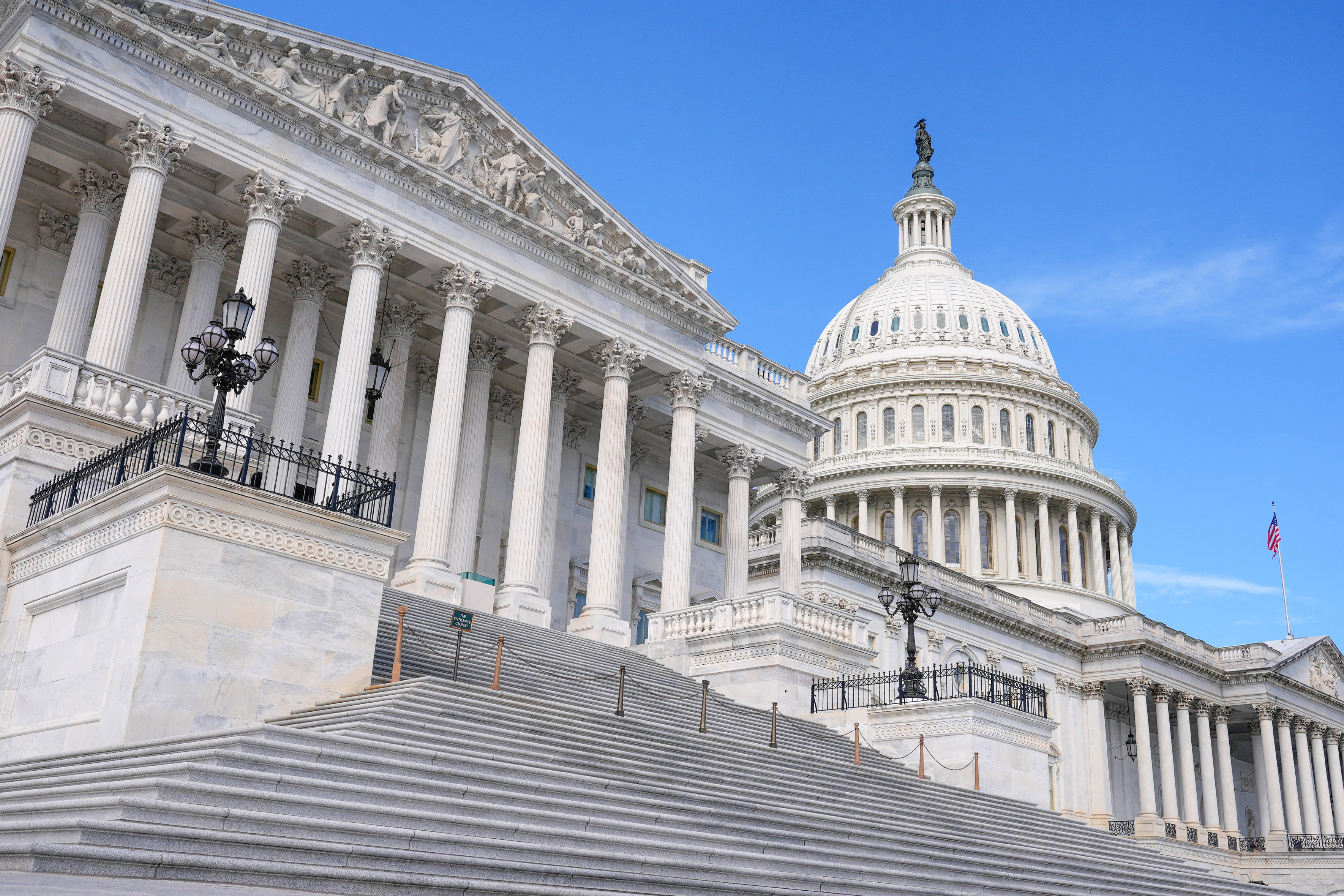
The focus now shifts directly to the House of Representatives. House leaders announced a planned vote for early next week. They aim to ratify the Senate-backed deal quickly. The House is set to move as soon as Monday or Tuesday. This timeline suggests a very short shutdown duration. House Speaker expressed optimism about the bill’s passage. Both parties want to avoid prolonged disruption for the public.
Why a Fast Resolution is Now Likely
Several factors make a quick end to this shutdown probable. The bipartisan nature of the Senate deal shows strong compromise. Political pressure from the public is intense after recent long shutdowns. Major business groups are urging Congress to act immediately. The upcoming election year makes extended dysfunction risky for politicians. All sides recognize the economic and reputational damage of a long stop.
The Path to Reopening the Government
The process to end the shutdown is straightforward but requires specific steps. The House must pass the exact same bill the Senate approved. A simple majority vote in the House is needed for passage. The bill then goes to the President’s desk for his signature. The President has already indicated he will sign the measure immediately. Federal agencies will then reactivate their operations within hours.
Lessons from a Brief Shutdown
This short shutdown still carries consequences and costs. It disrupts the lives of hundreds of thousands of federal workers. It creates uncertainty for businesses that rely on government functions. It hurts public confidence in the government’s basic operations. However, the expected quick fix shows the system can correct itself. It underscores the importance of Congress doing its fundamental job on time. The nation now waits for the House vote to officially end this brief crisis.