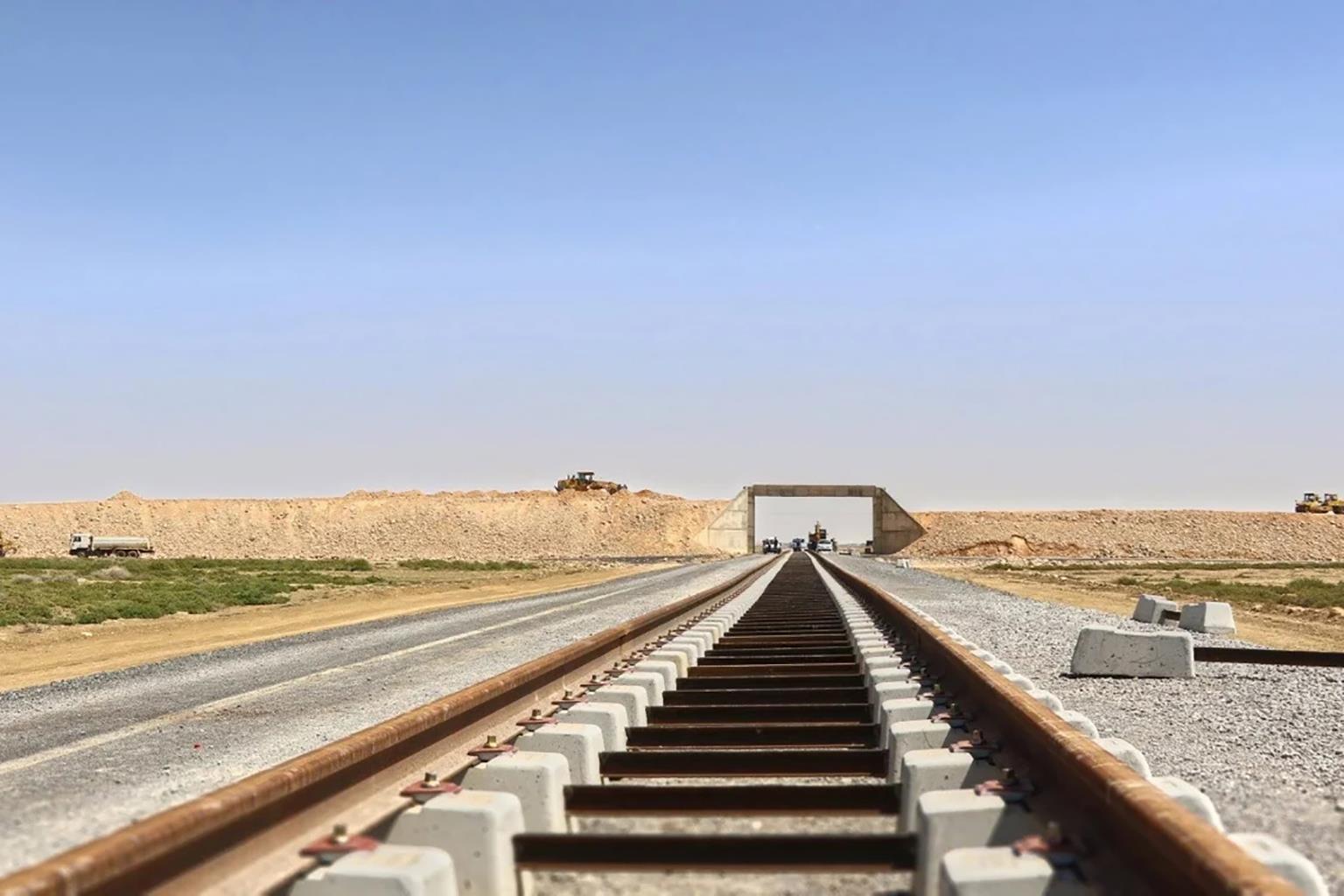
Algeria Opens A New Strategic Railway
Algeria has officially inaugurated a major new railway line in the Sahara Desert. This strategic railway connects to the massive Gara Djebilet iron ore mine. The mine is one of the largest in the world. The new infrastructure will transport millions of tons of raw material across the desert. This project is a key part of Algeria’s plan to develop its mining sector. It aims to turn the country into a significant exporter of iron ore. The railway represents a major engineering achievement in a harsh and remote environment.
The Railway Will Transport Ore From One Of The World’s Biggest Mines
The railway’s primary purpose is to carry iron ore from the Gara Djebilet mine. This mine holds an estimated three billion tons of iron ore. It is considered one of the planet’s largest untapped iron ore deposits. For decades, the mine remained unused because of its remote location and lack of transport links. The new railway finally solves this critical logistics problem. It will move the extracted ore over 450 kilometers across the desert to existing rail networks.
The Project Links Remote Mines To National And Port Infrastructure
The new desert railway creates a vital transport corridor. It directly links the isolated Gara Djebilet site to Algeria’s national railway system. From there, the iron ore can travel north to steel plants within Algeria. It can also continue onward to ports on the Mediterranean Sea for export to international markets. This connection transforms the mine from a distant resource into an active economic asset. It integrates the Sahara’s minerals into the national and global economy.
 Constructing The Desert Railway Presented Major Engineering Challenges
Building a heavy-haul railway in the Sahara Desert was a tremendous challenge. Engineers had to lay tracks across vast stretches of sand dunes and rocky plateaus. They dealt with extreme temperatures, sandstorms, and a complete lack of local infrastructure. The project required special designs to prevent sand from burying the tracks. It also needed new stations, loading facilities, and maintenance depots built from nothing in the desert. Completing this project demonstrates high technical capability.
The Mine And Railway Will Boost Algeria’s Economy And Industry
The operation of the mine and railway is expected to provide a large economic boost. It will create thousands of direct and indirect jobs in a remote region. The project will generate significant export revenue for the Algerian state. It will also supply local steel industries with a reliable source of raw material. This can reduce Algeria’s dependence on importing steel and other metals. The economic benefits will be felt across multiple sectors of the national economy.
The Project Is A Strategic National Priority For Resource Development
Algerian leaders have described the railway as a project of supreme national importance. It falls under a national strategy to diversify the economy beyond oil and gas. Developing mining is a key pillar of this long-term plan. The government invested heavily to make the railway a reality. It signifies a strong commitment to unlocking the wealth of the southern deserts. The project enhances Algeria’s position as a major resource holder on the African continent.
Future Expansion Plans Aim To Develop The Entire Mining Region
The new railway is just the first phase of a larger development plan. Authorities intend to use it as a backbone for the entire mining region. It could later connect to other mineral deposits in the area. The goal is to create a full industrial mining hub in the Sahara. This includes potential plans for local processing plants to add value to the ore before export. The successful inauguration of this railway marks the beginning of a new chapter for Algeria’s mining industry and its economic future.