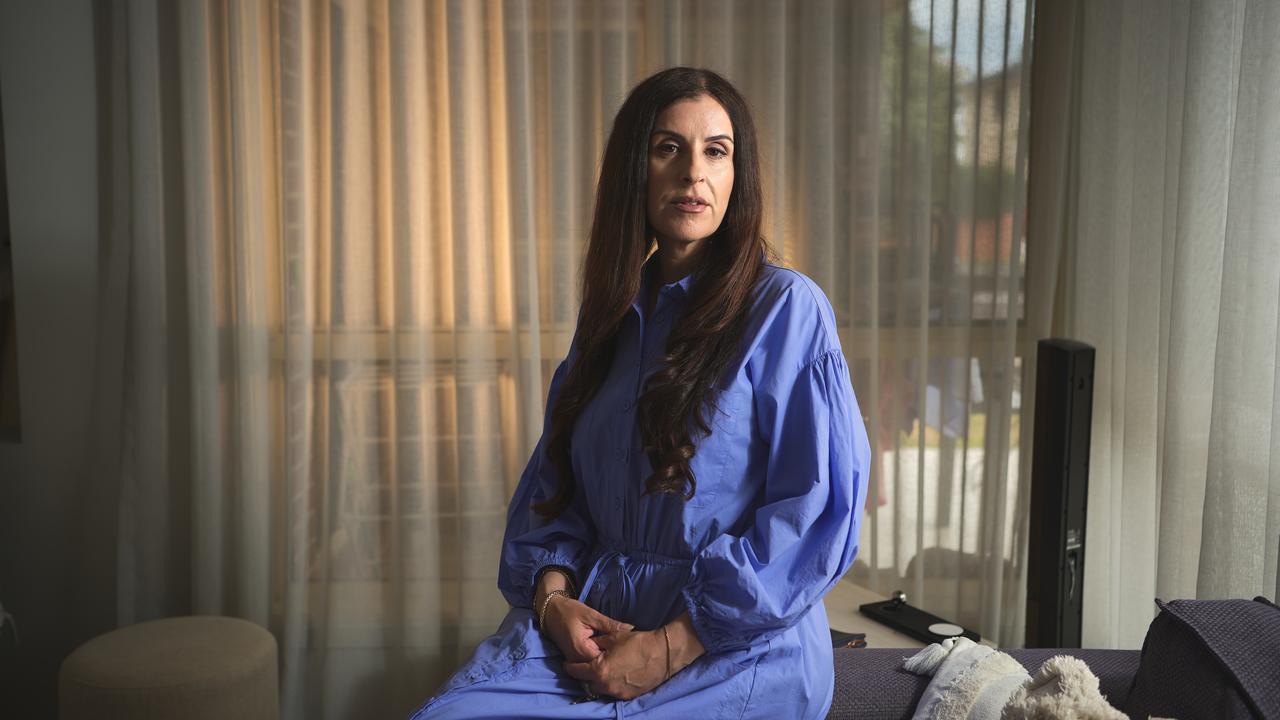
Adelaide Writers’ Festival Director Resigns
The director of a major Australian writers’ festival has resigned from his position. This follows the festival’s controversial decision to disinvite a Palestinian author from its event. Scores of other participants then withdrew from the festival in protest. The high-profile boycott included famous writers and former New Zealand Prime Minister Jacinda Ardern. The situation has ignited a fierce debate about censorship and free speech in the literary world. It has caused significant damage to the festival’s reputation just weeks before it was scheduled to begin.
The Controversial Decision to Uninvite the Author
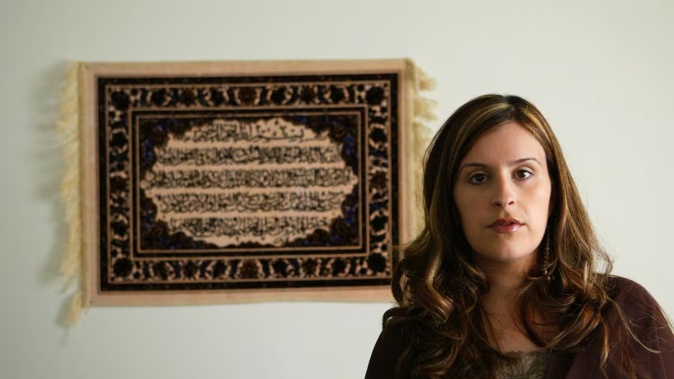
The Adelaide Writers’ Week festival made a sudden and unexpected choice. Its board decided to cancel the invitation of a prominent Palestinian writer. The writer was scheduled to appear and speak at the upcoming event. Official statements cited community safety concerns as the reason for the reversal. The decision followed pressure from some groups and individuals. The festival leadership stated they believed the author’s presence could cause security problems. This move was immediately criticized as an act of censorship and cowardice by many in the literary community.
A Rapid and Powerful Boycott by Participants
The festival’s decision triggered an immediate and powerful response. Dozens of other authors, panelists, and participants announced they would boycott the event. They withdrew their own participation in solidarity with the barred Palestinian writer. This growing list included some of the festival’s biggest planned speakers. The most prominent figure to join the boycott was former New Zealand Prime Minister Jacinda Ardern. She was scheduled to give a keynote talk but cancelled in protest. The mass withdrawal left the festival program in crisis with numerous empty slots.
The Festival Director’s Resignation and Statement
The festival’s artistic director and CEO announced his resignation shortly after the boycott spread. He stated he could no longer lead an event that had compromised its core values. His resignation letter expressed deep regret over the board’s decision to disinvite the author. He emphasized that a writers’ festival must be a place for open dialogue and diverse voices. His departure created a leadership vacuum just as the festival needed to manage the public relations disaster. The board accepted his resignation and now must find a way forward.
Reactions from the Literary Community and Public
The reaction from writers, publishers, and free speech advocates has been overwhelmingly negative. Many accuse the festival board of surrendering to external political pressure. They argue that barring a voice creates a dangerous precedent for censorship. Social media filled with statements of support for the boycotting authors. Some members of the public have also cancelled their tickets and demanded refunds. The controversy has dominated Australian cultural news for several days. It has sparked a wider national conversation about the limits of discourse and the role of arts festivals.
The Practical Impact on the Festival’s Future
The boycott and resignation have severe practical consequences for the event. The festival now has a significantly reduced and less impressive program. Major sponsors are reviewing their involvement and support due to the negative publicity. Ticket sales have dropped sharply as people lose interest in the weakened event. The festival’s long-term reputation as a leading literary gathering is now seriously damaged. Rebuilding trust with authors and the public will take many years. The financial and cultural costs of this single decision are likely to be enormous.
The Broader Debate on Free Speech and Cultural Boycotts
This incident reflects a much larger ongoing debate in global cultural circles. It centers on where festivals should draw the line on safety and free expression. Many argue that platforms should be given to contested political perspectives, not denied. Others support a festival’s right to avoid speakers they deem too divisive. The use of boycotts as a tool for political solidarity is also a key point of discussion. This event in Adelaide has become a case study for these difficult questions. The fallout will likely influence how other festivals handle similar invitations in the future.