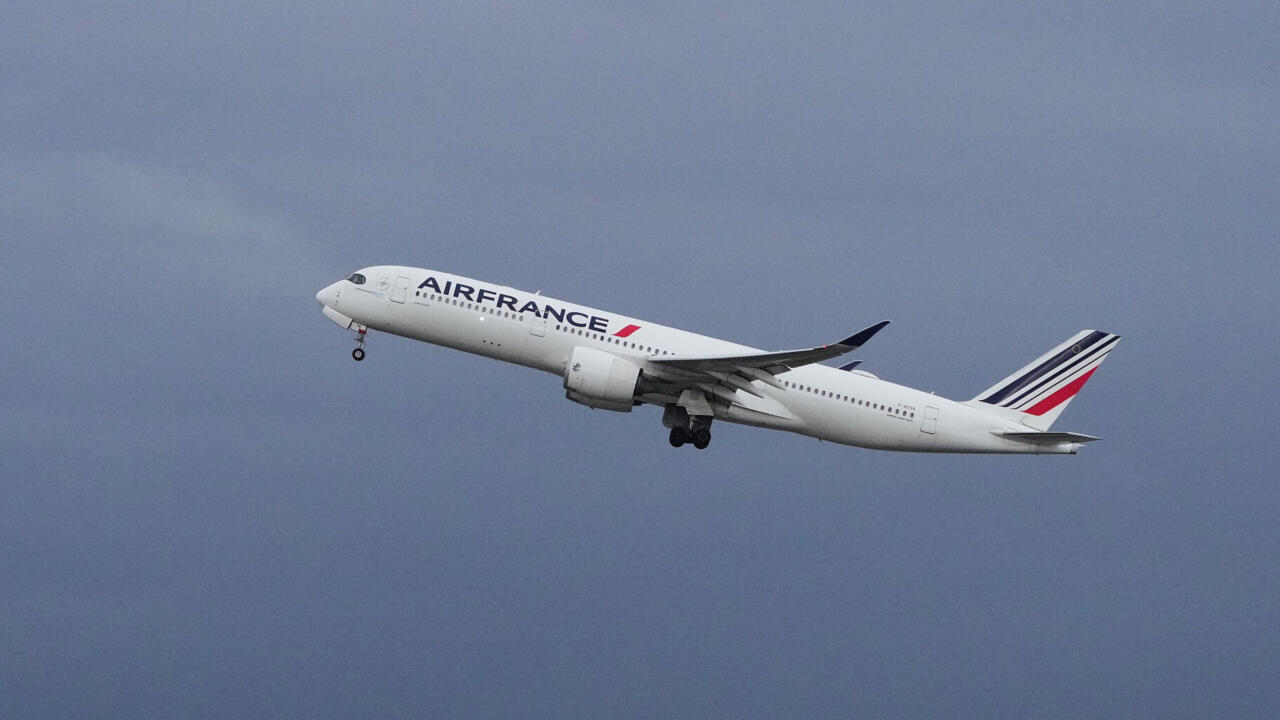
1. Air France Suspends All Flights to Dubai
Air France has announced an immediate suspension of its services to Dubai. The major European carrier is halting all flights to this key Middle Eastern hub. This decision is a direct response to escalating security concerns in the region. The airline’s primary focus is the safety of its passengers and crew. The suspension is a precautionary measure, not a permanent cancellation. It reflects the volatile situation unfolding across multiple Middle Eastern airspaces.
2. KLM Follows Suit, Halting Multiple Routes Across the Middle East
KLM Royal Dutch Airlines, part of the same group as Air France, is taking similar action. The Dutch flag carrier is suspending its flights to several Middle Eastern destinations. This coordinated move by the Air France-KLM group indicates a serious risk assessment. Both airlines are following guidance from European aviation authorities. The suspensions will remain in effect until a clearer security picture emerges. This disrupts a significant volume of Europe-Middle East air traffic.
3. The Trigger: Rising Geopolitical Tensions with Iran Create Airspace Risk
The root cause is a sharp increase in geopolitical tensions involving Iran. Recent military actions and threats have raised the risk level for commercial aviation. Airspace over and around several countries is now considered potentially unsafe. Airlines fear the possibility of misidentification or accidental conflict engagement. The safety risk is deemed too high to continue normal operations. This follows established protocols after similar past incidents in conflict zones.
4. A Precautionary Pause: Airlines Prioritize Passenger Safety Above Schedule
The flight suspensions are explicitly labeled as precautionary. This means no specific incident has targeted these flights. However, the general threat environment is too unpredictable. Airlines are erring on the side of extreme caution, a standard industry practice. The priority is to avoid any risk to civilian aircraft and lives. Normal service will resume only after thorough safety reassurances from authorities.
5. Impact on Travelers: Rebooking, Refunds, and Alternative Options
Passengers booked on canceled flights are being contacted directly. Air France and KLM are offering flexible rebooking options. Travelers can change their dates or request a full refund without penalty. The airlines advise against traveling to airports for suspended routes. Customers are urged to check their flight status via the official airline website or app. This sudden change causes significant inconvenience for both business and leisure travelers.
 6. The Ripple Effect on Connecting Flights and Global Networks
The suspensions create major disruptions beyond the direct routes. Dubai is a global connecting hub for flights to Asia, Africa, and Australia. Passengers using Air France or KLM to connect through Dubai are also affected. The cancellations disrupt carefully planned aircraft and crew schedules across the airlines’ networks. This logistical challenge will take time to resolve even after flights restart.
7. How Other International Airlines Are Responding to the Same Threat
Air France and KLM are not alone in their response. Several other European and international carriers are adjusting their routes. Some are avoiding Iranian airspace entirely, choosing longer, fuel-intensive paths. Others are canceling flights to specific airports deemed higher risk. The aviation industry is acting in a unified, safety-first manner. This collective action underscores the severity of the perceived threat.
8. Historical Context: Aviation and Conflict Zone Safety Protocols
The industry operates with strict lessons from history. Past tragedies have led to robust protocols for conflict zones. Airlines rely on real-time intelligence from governments and security agencies. When a region’s risk level crosses a defined threshold, suspensions are mandated. This decision-making process is data-driven and security-focused. It is a non-negotiable aspect of modern commercial aviation’s safety culture.
9. Monitoring the Situation: When Will Flights to Dubai and the Region Resume?
There is no fixed timeline for the resumption of services. Air France and KLM are monitoring the situation hour by hour. They await updated security assessments from national and international bodies. The decision to restart flights will be equally cautious and deliberate. Passengers should expect short-notice updates and continued flexibility. The airlines will announce reopening dates through all official channels.
10. The Broader Economic and Diplomatic Implications of Airline Suspensions
Such widespread flight cancellations have consequences beyond travel. They impact tourism, trade, and diplomatic connectivity between regions. They signal a lack of confidence in the stability of a major global corridor. The suspensions add economic pressure to an already tense geopolitical situation. Restoring regular air links will be a key indicator of returning regional calm. For now, safety remains the only metric that matters.