

Introduction
Captain Brandon Fisher is taking legal action against Boeing. The veteran Alaska Airlines pilot is suing the plane manufacturer. Fisher claims Boeing wrongly tried to blame him and his crew for a serious mid-air incident. A large panel blew out of the aircraft during a flight. Fisher successfully executed an emergency landing. All passengers and crew survived.
The lawsuit highlights a growing conflict between pilots and Boeing. It centers on accountability after the terrifying January 2024 incident. Fisher argues Boeing engaged in a public relations campaign to shift blame. He says the company tried to protect its reputation by scapegoating the flight crew. The legal filing seeks to clear the pilots’ names and hold Boeing responsible for the aircraft’s defects.
The Terrifying Mid-Flight Emergency
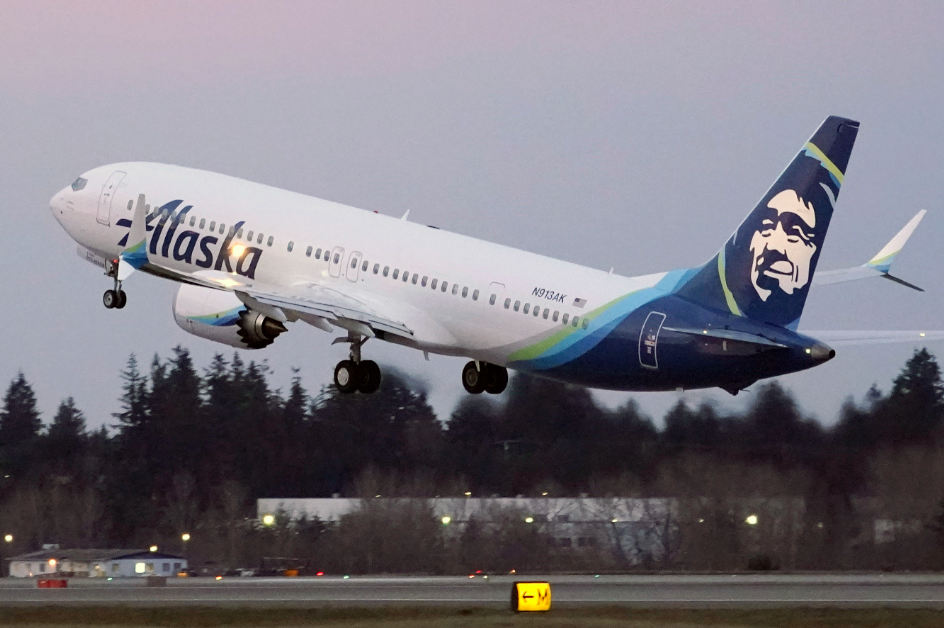
Captain Brandon Fisher was commanding Alaska Airlines Flight 1282. The Boeing 737 MAX 9 was climbing after takeoff from Portland. A door plug panel violently blew out from the fuselage. This caused rapid decompression of the passenger cabin. Oxygen masks deployed immediately. The pilots declared an emergency. Fisher and his First Officer maintained control of the badly damaged aircraft. They executed a textbook emergency descent and return to Portland International Airport. Their skilled handling is widely credited with preventing a catastrophic disaster.
Boeing’s Initial Response and the Blame Game
In the days after the incident, Boeing made public statements. The company suggested possible pilot error or maintenance issues contributed to the event. Investigators from the National Transportation Safety Board (NTSB) quickly focused on the door plug itself. Evidence pointed to missing critical bolts during Boeing’s factory assembly. Despite this, Fisher’s lawsuit claims Boeing officials privately and publicly implied the crew might have missed warning signs or mishandled procedures. This narrative, Fisher argues, damaged his professional reputation and caused emotional distress.
The Pilot’s Lawsuit: Defamation and Emotional Distress
Captain Fisher filed his lawsuit in a US federal court. The core claims are defamation and intentional infliction of emotional distress. The legal documents state Boeing acted with “malice” and “reckless disregard” for the truth. Fisher says Boeing’s attempts to deflect blame were a calculated strategy. The goal was to influence the official NTSB investigation and public opinion. The lawsuit seeks monetary damages for harm to Fisher’s career and mental well-being. It also demands a full public retraction from Boeing.
 The NTSB Investigation Tells a Different Story
The official investigation findings contradict Boeing’s early suggestions. The NTSB’s preliminary and final reports placed responsibility squarely on Boeing’s manufacturing process. Investigators found the door plug left Boeing’s factory without four key retaining bolts. These bolts are essential for keeping the panel secured to the airframe. The NTSB found no evidence of pilot error or improper airline maintenance. The failure was a direct result of Boeing’s production line quality control lapses.
A Broader Pattern of Boeing’s Safety Culture
This lawsuit fits into a larger troubling pattern. Boeing has faced intense scrutiny over its safety culture since two fatal 737 MAX crashes in 2018 and 2019. Critics accuse the company of prioritizing production speed and profits over engineering rigor. The Alaska Airlines incident revealed similar systemic problems. Whistleblowers have alleged pressure to overlook defects on the factory floor. Fisher’s case puts a human face on the consequences of this corporate culture. It shows how individuals can be harmed when a company tries to avoid responsibility.
The Impact on Pilot Trust and Aviation Safety
The case has serious implications for the aviation industry. Pilots need absolute trust in the aircraft they fly. They also need to trust that manufacturers will be honest about problems. Fisher’s lawsuit alleges Boeing breached that fundamental trust. If pilots feel a company will blame them for its own mistakes, it could create a climate of fear. This might discourage the open reporting of safety concerns. The entire safety reporting system, a cornerstone of modern aviation, relies on transparency and non-punitive culture.
Seeking Justice and Systemic Change
Captain Brandon Fisher’s lawsuit is about more than money. It is a fight for professional vindication. He wants the record to show that he and his crew performed heroically under extreme duress. The case also aims to force greater accountability at Boeing. It seeks to ensure such blame-shifting tactics are not used again after future incidents. The outcome could influence how aerospace companies communicate after accidents. It reinforces the principle that manufacturers must own their mistakes, especially when lives are at stake.


