Introduction
The iconic Basant kite-flying festival is officially returning to Lahore in February 2026. This follows a nearly 20-year ban. The government of Punjab is reviving the celebration under a strict new safety law. The goal is to bring back the culture without the past dangers.
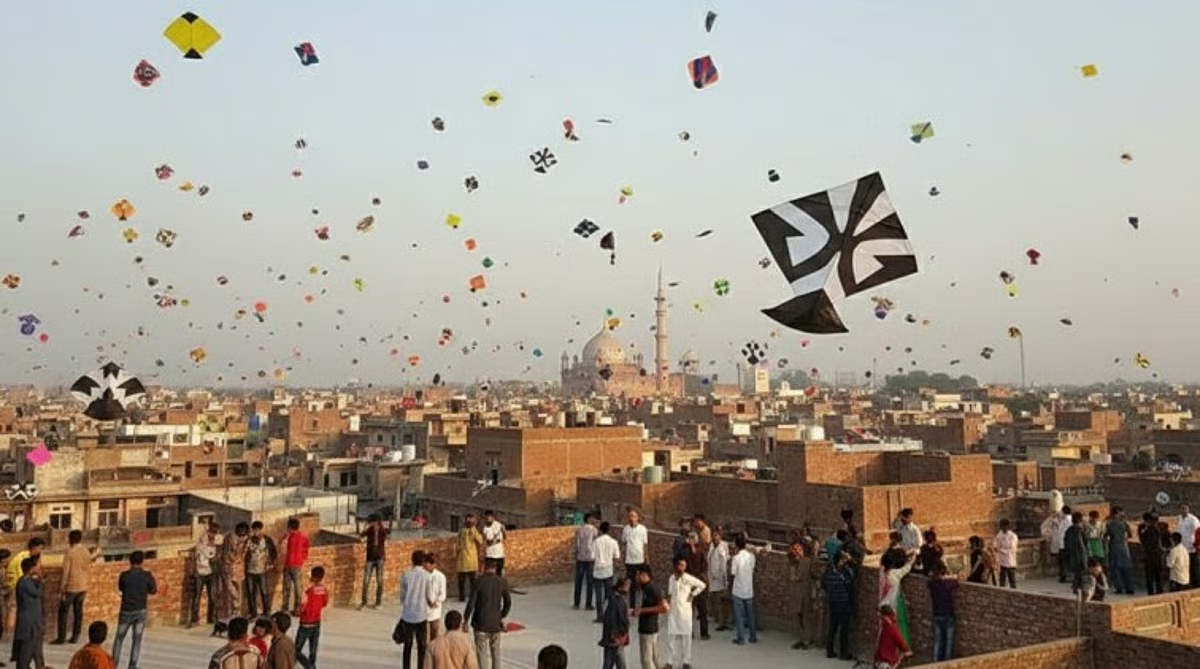
For many people, Basant was Lahore’s biggest celebration. It was even bigger than Eid for some. The festival filled the spring sky with colorful kites. Families gathered on rooftops. The whole city felt alive with music and joy. The ban created a deep cultural silence. Its return is a major moment for Punjab’s identity. The festival will now happen on February 6, 7, and 8, 2026. It will be held only within the Lahore district.
Why Basant Matters to Punjab and Lahore
Basant marks the arrival of spring in Punjab. It grew into a huge cultural event. The festival combines sport, craft, and community. People wear yellow clothes. The color symbolizes blooming mustard fields. Neighborhoods engage in friendly kite battles. Lahore became famous around the world for Basant. The festival drew visitors and media from many countries. It created a rare feeling of shared joy for all people in the city.
 The Reason for the Ban: A Festival Turns Tragic
Authorities banned Basant starting around 2005. The reason was serious public safety concerns. Kite strings coated with metal or chemicals caused fatal accidents. These dangerous strings injured and killed motorcyclists and pedestrians. They also harmed children. Courts and provincial governments upheld the ban for years. The celebration had turned into a tragedy. Bringing Basant back became a very sensitive decision for Punjab’s leaders.
The New Safety Plan: The Punjab Kite Flying Ordinance 2025
The government created a strong new law for Basant’s return. It is called the Punjab Kite Flying Ordinance 2025. The law sets clear and enforceable rules for a safe festival. Kite flying will require official permission from local leaders. All manufacturers must register on a government digital portal. Every single kite will have a special QR code. This code links back to the seller for full traceability.
Strict New Rules for Kites and Flyers
The new rules ban many dangerous old practices. Strings made of nylon, plastic, metal, or chemicals are completely illegal. The government has a zero-tolerance policy for these. Only approved “pana” string is allowed for flying kites. The popular “charkhi” spools remain banned. A very important rule protects children. No one under 18 years old is allowed to fly a kite. Parents or guardians of children who break this rule will face fines.
High-Security Zones and Serious Penalties
Lahore has identified 40 “Red Zones.” These are areas with past fatal incidents. The city will monitor these zones with CCTV cameras all day and night. Police and traffic wardens will work together to manage security. The penalties for breaking the new law are severe. Adults who violate the rules risk going to prison for 3 to 5 years. They may also have to pay a fine of up to 2 million Pakistani rupees.
More Than Fun: The Economic and Cultural Impact
Basant’s return is about more than culture. It is also about the economy. The festival once supported thousands of local jobs. Kite makers, string producers, and vendors all relied on it. The ban pushed this entire economy underground. The new system aims to bring these jobs back into the legal economy. It will help improve safety standards in cottage industries. It will also create a new tax base for the province. Officials say the future of Basant depends on everyone following the new rules. The successful return of the festival will reclaim a lost part of Lahore’s soul.