1. Scientists unveil major Alzheimer’s research breakthrough
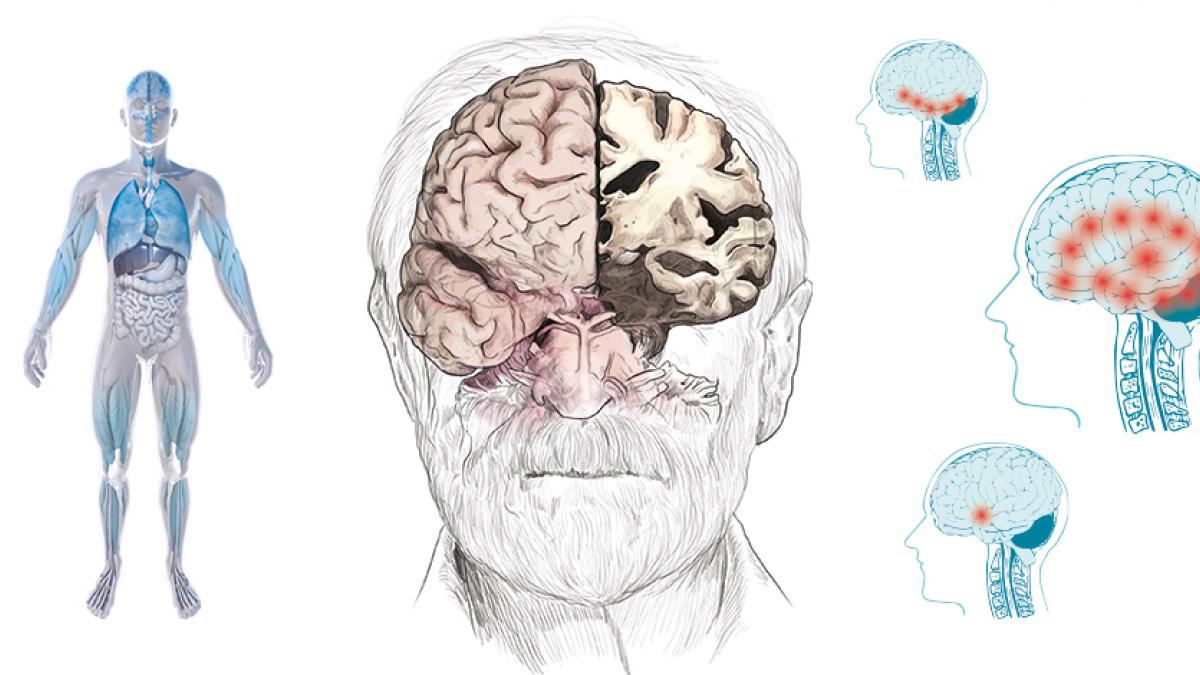
Scientists announce a major breakthrough in Alzheimer’s disease research. Researchers develop a new technique to map toxic protein growth in the brain. The method helps scientists see how harmful proteins form and spread. This progress gives fresh hope for early detection and better treatment. Experts say the technique improves accuracy and detail. It marks a strong step forward in brain science research.
2. Toxic protein clumps
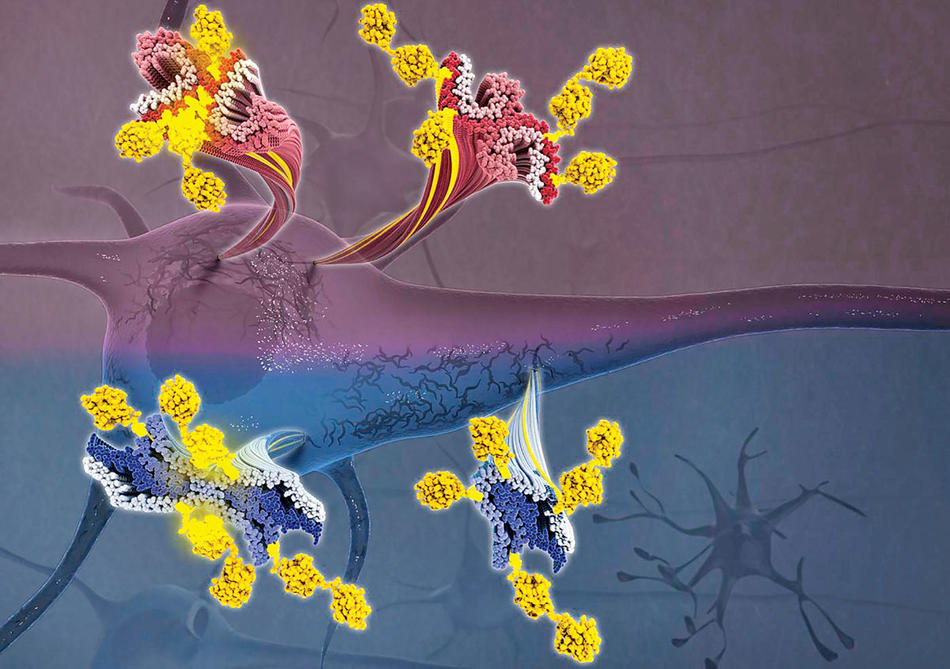
The technique focuses on toxic protein clumps linked to Alzheimer’s disease. These proteins damage brain cells over time. Scientists call them a key driver of memory loss. The new method measures their growth with precision. Earlier tools lacked this level of detail. The new approach fills that critical gap.
3. How toxic proteins damage the brain
Toxic proteins build up slowly inside the brain. They disrupt communication between brain cells. They block signals needed for memory and thinking. Over time, cells weaken and die. This process leads to Alzheimer’s symptoms. Understanding this damage is vital for prevention.
4. Precise mapping
The new technique maps protein growth step by step. It shows when damage begins. It reveals how fast proteins spread. This clarity helps identify early disease stages. Doctors could detect Alzheimer’s before severe symptoms appear. Early detection improves treatment outcomes.
5. Why previous methods fell short?
Older tools could not track protein growth accurately. They showed limited images of the brain. They missed small but dangerous protein changes. This slowed research progress. Scientists needed better measurement tools. The new method answers that need.
 6. Future Alzheimer’s diagnosis
Doctors may use this method for earlier diagnosis. Early diagnosis allows timely care. Patients gain more treatment options. Families receive clarity sooner. Healthcare systems benefit from early intervention. This could change Alzheimer’s care worldwide.
7. Drug and treatment development
Drug developers rely on accurate data. The new mapping technique provides clear protein measurements. Researchers can test if treatments reduce toxic proteins. This speeds up clinical trials. It lowers research costs. It increases success chances for new drugs.
8. Global response
Scientists worldwide praise the breakthrough. Experts call it a game changer. Research labs plan to adopt the technique. Collaboration efforts are increasing. Funding interest is growing fast. The discovery gains global attention.
9. What this means for patients and families?
Patients gain hope from this discovery. Families see progress against a devastating disease. Better tools mean better care planning.
Earlier action improves quality of life. Support systems become more effective. Hope replaces uncertainty for many families.
10. A new chapter in Alzheimer’s research
This breakthrough opens a new research chapter. Scientists now understand protein behaviour better. Future studies will build on this foundation. Innovation will continue to grow. The fight against Alzheimer’s gains momentum. Science moves one step closer to solutions.