Cambodian Mortar Strike
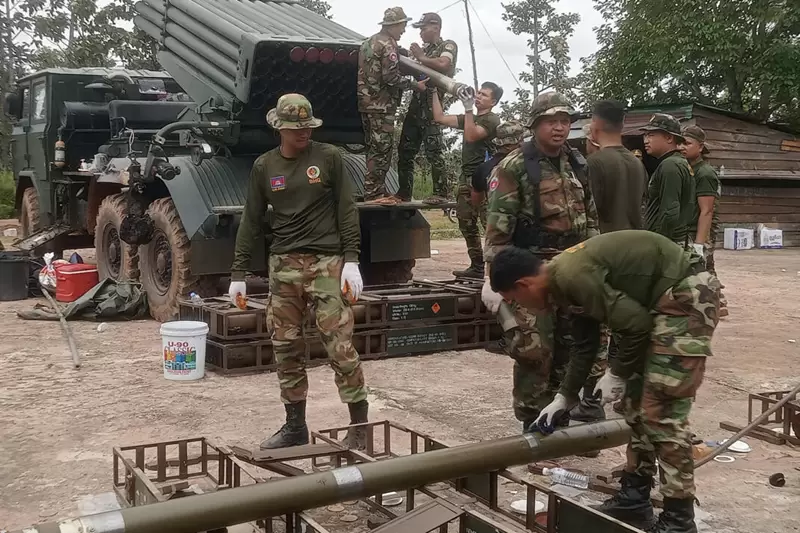
A soldier from the Thai army was wounded in a cross-border incident. The attack involved mortar fire from the Cambodian side. This bombardment violated an existing ceasefire agreement between the two nations. The strike targeted a Thai border province, creating a serious security incident. Thai military officials confirmed the injury and the breach of the truce. This event raises tensions along the shared frontier.
Thai Army Condemns Attack
The Royal Thai Army has officially condemned the mortar attack. Army representatives stated the action was a direct violation of the standing ceasefire. This agreement was designed to prevent armed clashes in the border region. The wounded soldier is receiving medical treatment for his injuries. The army is demanding a full explanation from Cambodian authorities. Such incidents threaten the stability painstakingly built over recent years.
Details of the Bombardment
The attack occurred in a defined Thai border province. Cambodian forces launched multiple mortar rounds into the area. One of these explosive projectiles landed near a Thai military position. The blast from the mortar caused the injury to the Thai soldier. The nature and extent of his wounds were not fully disclosed. The Thai army is now increasing its alert level along that section of the border.
Historical Context
The shared border between Thailand and Cambodia has a long history of disputes. A major flashpoint is the area surrounding the Preah Vihear temple. Both nations have claimed sovereignty over adjacent lands for decades. Several armed clashes have occurred there in the past. A ceasefire has been in place to manage these lingering tensions. This recent mortar strike directly challenges that fragile peace arrangement.
 Immediate Response
Thai military units have responded to the aggressive action. Security forces are strengthening their defensive positions in the province. Patrols along the border have been intensified to prevent further incidents. Communication channels with Cambodian border commanders are being activated. The immediate goal is to de-escalate the situation and avoid any return fire. The priority is to prevent a single incident from spiraling into a larger conflict.
Cambodia’s Call for Investigation
Cambodia has not yet issued a public statement on the specific incident. Previous disputes often involve accusations from both sides. The Thai army is calling for a joint investigation into the mortar fire. They want to determine the origin of the attack and the chain of command behind it. Diplomatic channels are likely being used to address the violation. Transparency from both militaries is crucial to restoring calm.
Impact on Bilateral Relations
This military incident negatively impacts Thailand-Cambodia relations. It undermines trust between the two neighboring countries. Such clashes also concern the broader Association of Southeast Asian Nations. ASEAN promotes peaceful resolution of conflicts among its members. A sustained border conflict would harm regional stability and economic cooperation. Both nations have a strong interest in quickly containing this event.
Heading 8: The Role of Ceasefire Agreements in Border Management
The violated ceasefire was a key tool for managing the disputed territory. It allowed both sides to maintain positions without engaging in open conflict. The agreement included protocols for communication during misunderstandings. This mortar strike represents a breakdown of those agreed-upon rules. Upholding such truces is essential for preventing needless casualties. Their collapse can lead to rapid and dangerous military escalation.
Risks of Further Military Escalation
The primary risk now is an escalation of military actions. A wounded soldier can create pressure for a retaliatory strike. This could start a cycle of attack and counterattack along the border. Miscalculation by local commanders could spark a wider confrontation. Both national governments must exercise maximum restraint. Diplomatic engagement is the necessary tool to lower the current temperature.
De-escalation and Dialogue
The immediate path forward requires calm and communication. Both sides must use established military-to-military hotlines. A joint border committee should investigate the incident thoroughly. Senior officials should meet to reaffirm their commitment to the ceasefire. Long-term resolution still depends on a final border demarcation agreement. Peaceful dialogue is the only sustainable solution for both Thailand and Cambodia