What Canada’s Bill C-3 Means
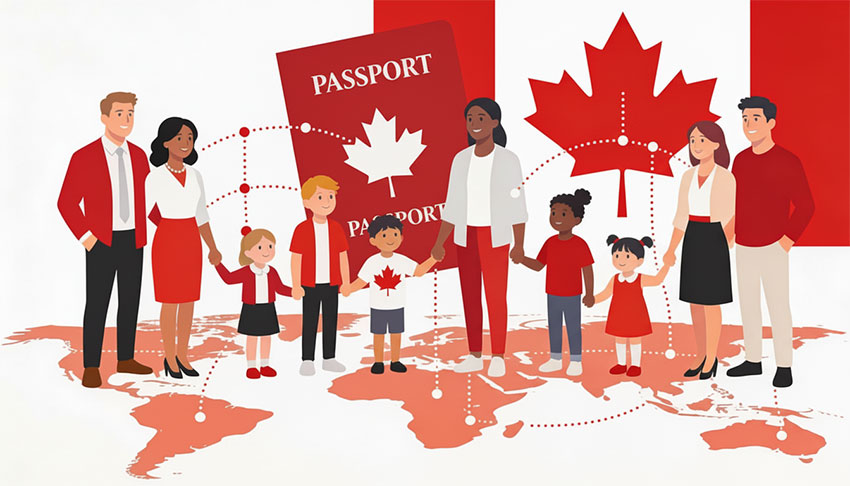
Canada has passed a major citizenship law known as Bill C-3. The law came into force on December 15, 2025. It changes how citizenship passes from Canadian parents to children born or adopted abroad. The update removes an old restriction known as the first-generation limit. Most people affected by past rules can now claim citizenship or proof of citizenship. The change reflects modern, global families and makes Canadian citizenship rules more fair and inclusive. Canada
Background: First-Generation Limit Explained
For many years, Canada limited citizenship by descent. Parents born abroad could not always pass citizenship to children born abroad. This was known as the first-generation limit. The rule excluded many families who had strong ties to Canada but could not pass citizenship. In 2023, the Ontario Superior Court ruled key parts of the old law unconstitutional. Canada chose not to appeal that decision. This set the stage for Bill C-3. Canada
New Rules for Children Born Abroad
Under Bill C-3, eligible children born outside Canada can now receive citizenship if a parent is Canadian. The parent must show a “substantial connection” to Canada at the time of the child’s birth or adoption. This test generally means the parent must have lived in Canada for at least three years (1,095 days) before the child’s birth or adoption. This new rule ensures children of Canadian parents born abroad can retain nationality. Canada+1
Automatic Citizenship for Some
Bill C-3 also offers automatic citizenship to many who were previously excluded by old rules. People born outside Canada before December 15, 2025 could not qualify under past law. Now the new law automatically recognizes them as Canadian citizens. Those who qualify can apply for an official proof of citizenship certificate. This update restores citizenship for many formerly left out by the first-generation limit. Gulf News
Application and Eligibility
Eligible individuals can apply to Immigration, Refugees and Citizenship Canada (IRCC) for proof of citizenship. People who applied under interim measures before the law took effect do not need to reapply. New applicants must submit documentation showing family and residency history. The government encourages applicants to check official guidelines and prepare proof early. Many families around the world are expected to apply. CIC News
 What Is the Substantial Connection Test
The substantial connection test is central to new rules. It asks if a Canadian parent born abroad lived in Canada for enough time before a child’s birth or adoption. Most cases require at least 1,095 days (three years) of physical presence in Canada. This ensures ties to Canada are real and meaningful. Without this proof, parents may not be able to pass on citizenship under the new system. mint+1
Impact on Canadian Families Abroad
The new law affects many families of Canadians living abroad. It gives a clear path to citizenship for children who were previously excluded because of old rules. The update also benefits people who lost citizenship due to past technical limits. Many global families now have a stronger claim to stay connected to Canada. The changes will affect children, parents, and extended families worldwide. Canada
Restoring ‘Lost Canadians’
The term “Lost Canadians” refers to people unfairly excluded under older law. Bill C-3 addresses this group directly. Many “Lost Canadians” can now apply for citizenship that should have been theirs at birth. This change restores legal rights and identity ties for people and their descendants around the world. It is one of the most notable reforms in Canada’s citizenship history. Canada
Official Government Statements
The Canadian government says the changes reflect how families live today. Citizenship is now more inclusive and transparent. Officials stress that citizenship offers rights like voting, job opportunities, and the ability to hold a Canadian passport. The law also aligns with modern values of fairness and family unity. Immigration officials continue public education on eligibility and application procedures. Canada
Future Outlook and Legal Landscape
Bill C-3 marks a historic shift in Canadian citizenship law. The amendments will likely reshape global views of Canadian nationality. The law also influences debates on immigration policy and family rights. More applications will be processed in the coming months and years. Lawmakers and experts say the update strengthens Canada’s connection with diaspora communities. Officials expect Bill C-3 to have long-lasting effects on global families linked to Canada.