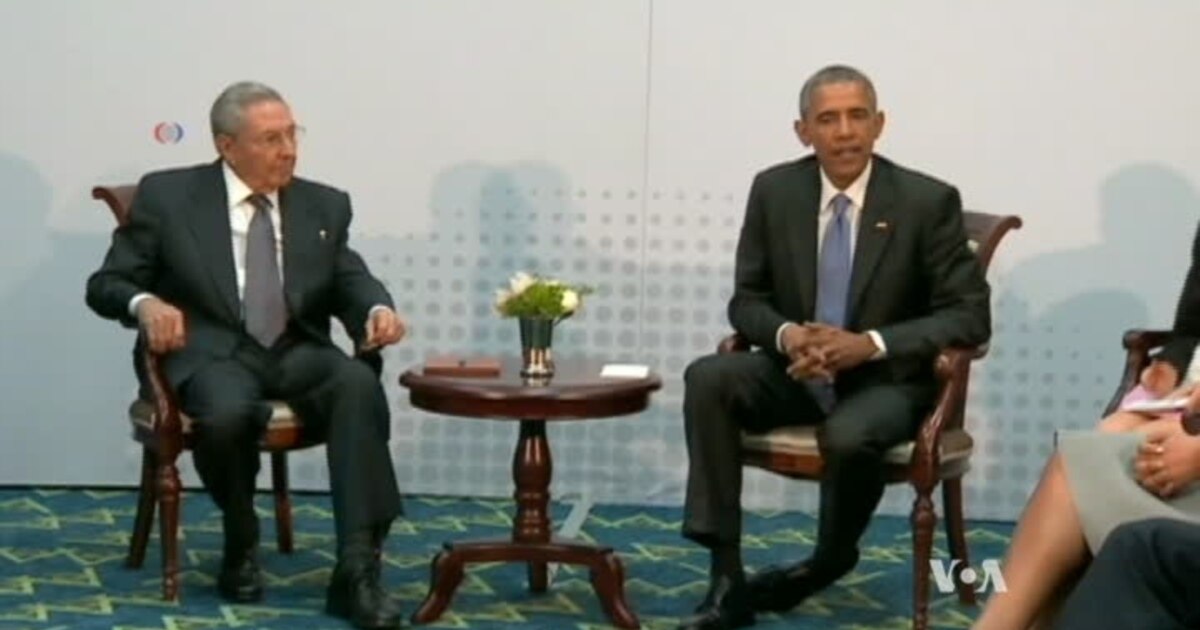
Cuban Diplomatic Contact With The United States
The Cuban government has made an important statement about its relationship with the United States. Officials in Havana confirmed they have been in “communication” with the Trump administration. However, they clarified that these contacts do not yet constitute formal negotiations. This statement provides a glimpse into the current diplomatic channel between the two long-time rivals. It suggests a line of dialogue remains open despite persistent tensions and a history of difficult relations. The Cuban side seems to be carefully defining the nature of the current interactions.
The Communications Are Not Yet Classified As Formal Negotiations
A key point from the Cuban announcement is the distinction between communication and negotiation. Cuban authorities stated clearly that the countries are not yet engaged in formal talks. This means the discussions are likely preliminary or focused on specific logistical issues. Formal negotiations would imply a structured process with agendas and the goal of reaching binding agreements. By making this distinction, Cuba manages expectations and emphasizes that major policy changes are not immediately on the table.
The Dialogue Occurs Within A Context Of Strained Historical Relations
Relations between the United States and Cuba have been tense for decades. The US maintains a long-standing economic embargo against the island nation. Previous attempts at a diplomatic thaw have seen periods of progress followed by renewed friction. The current “communications” happen against this complicated backdrop. Both sides have significant disagreements on fundamental issues like human rights, political systems, and economic policy. Any dialogue is therefore cautious and incremental.
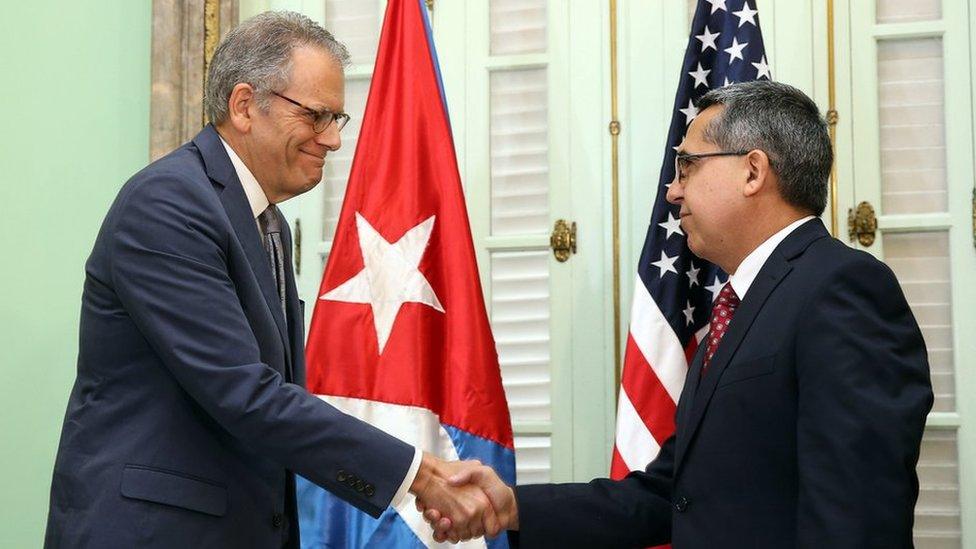 The Trump Administration’s Policy Has Been Traditionally Hardline
The context of talking with the Trump administration is significant. President Trump has largely followed a hardline policy toward Cuba, reversing several Obama-era openings. His administration has tightened economic sanctions and travel restrictions. This makes the existence of any communication noteworthy. It suggests that even within a policy of pressure, some level of diplomatic contact is deemed necessary by both capitals. The talks may focus on unavoidable bilateral issues like migration or law enforcement.
Possible Topics Include Migration, Security, And Regional Affairs
Experts suggest several practical topics for such communications. Managing migration flows is a constant issue for both countries. Cooperation on drug interdiction and other security matters is another possible area. The situation in Venezuela, a close ally of Cuba, is likely a point of discussion. These are matters where both nations have operational interests that require at least basic coordination, regardless of their broader political disagreements.
The Cuban Statement Manages Domestic And International Expectations
Cuba’s public announcement serves several purposes. For a domestic audience, it shows the government is actively engaging with a powerful adversary. It also sets clear boundaries so citizens do not expect sudden major changes. Internationally, it signals to other nations that Cuba is open to dialogue but not desperate for a deal. The careful wording allows Cuba to maintain its principled stance while acknowledging a practical reality of international diplomacy.
Future Prospects Depend On Political Will In Both Capitals
The long-term outcome of these communications remains uncertain. Progress toward meaningful negotiations would require a significant shift in political will. This is especially true in Washington during an election year. For now, the confirmation of a channel is itself a development. It indicates that a complete breakdown in relations has been avoided. Observers will watch to see if these preliminary contacts can eventually create a foundation for more substantive and formal talks in the future.