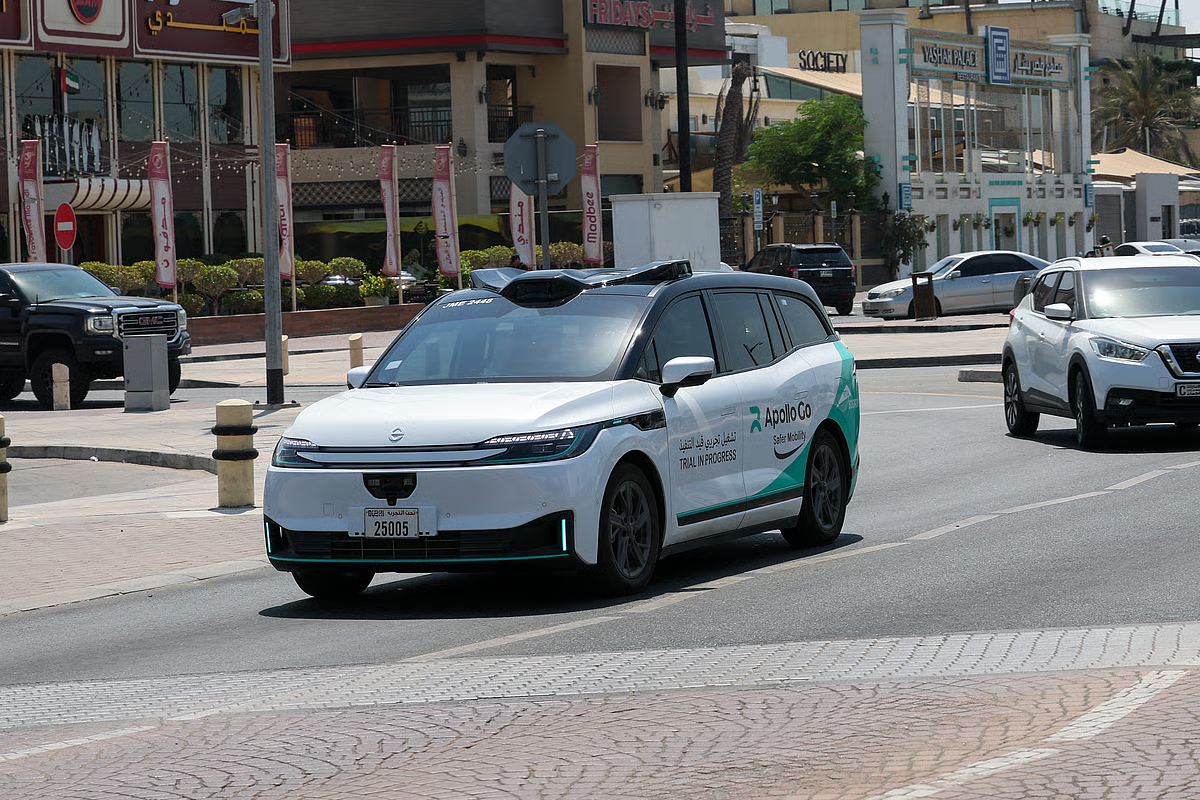
1. Dubai Leads in Autonomous Vehicle Regulation
Dubai has officially adopted executive regulations for autonomous vehicles. The Roads and Transport Authority (RTA) released the standards. The rules focus on safety, licensing, and operations. They aim to integrate self-driving vehicles safely into city roads. Dubai positions itself as a global hub for AV innovation. Authorities emphasize public safety and compliance. Businesses and tech developers are closely watching. The new regulations signal Dubai’s commitment to smart city goals. The guidelines also provide a roadmap for operators. The move strengthens investor confidence in autonomous mobility.
2. Safety Standards for Self-Driving Cars
RTA regulations set strict safety requirements. Vehicles must pass rigorous testing before deployment. Sensors, cameras, and control systems undergo certification. Emergency protocols are mandatory. AVs must communicate with other vehicles and infrastructure. Authorities require redundancy systems for critical failures. Road testing procedures ensure minimal risks. Public safety remains the top priority. The safety framework aligns with international AV best practices. Dubai aims to prevent accidents and ensure smooth operations. Compliance checks will be frequent and strict.
3. Licensing Rules for Operators
Operators must obtain specialized licenses. Drivers or supervisors need training on AV technology. Companies must maintain certified maintenance teams. Licensing ensures accountability. Regulators will audit records regularly. Violations may lead to fines or suspension. Dubai’s licensing standards match global expectations. The framework balances innovation and public responsibility. Licensed operators gain credibility with customers. Authorities expect licensing to improve trust in AV systems.
4. Operational Guidelines for Autonomous Vehicles
Operational rules define where and how AVs can run. Certain high-risk areas require human oversight. Vehicle speed limits and navigation protocols are mandated. Scheduling and route planning must meet safety criteria. Authorities monitor traffic integration to prevent congestion. Operational rules protect passengers and pedestrians. AV fleets must report data for analytics and safety monitoring. Dubai emphasizes a phased rollout approach. The city tests operations in controlled zones first. The operational framework is dynamic and will evolve.
5. Testing and Certification Requirements
All AVs undergo strict testing before approval. The process includes simulations and real-world trials. Vehicles are evaluated for sensor accuracy and system reliability. Certification ensures readiness for city streets. RTA works with technology partners for thorough assessment. Only certified vehicles can operate commercially. Testing protocols follow global standards. The certification process encourages innovation with accountability. Companies must maintain logs and technical reports. Continuous evaluation is mandatory to retain approval.
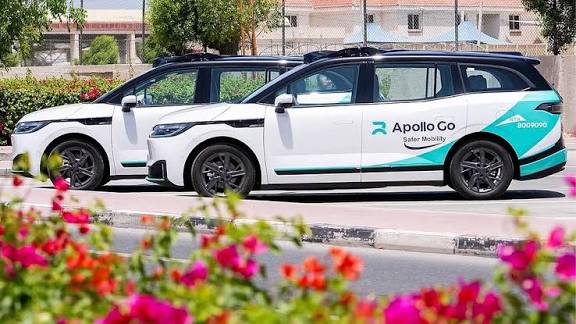
6. Integration with Smart City Infrastructure
AV regulations align with Dubai’s smart city vision. Vehicles must communicate with traffic lights and sensors. Data exchange improves traffic management. Smart roads and AVs enhance efficiency. Infrastructure investments support AV adoption. City planners monitor AV data for urban planning. Integration reduces congestion and improves safety. Public transport systems may connect with AV networks. The move demonstrates Dubai’s tech-forward approach. Data-driven decisions will optimize mobility citywide.
7. Impact on Businesses and Investors
Regulations attract investment in AV technology. Companies see Dubai as a safe testing ground. Clear rules reduce legal uncertainties. Tech startups and global manufacturers benefit. Investors gain confidence in market potential. Licensing and safety standards create predictable business conditions. AV-related services, like fleet management, will grow. Entrepreneurs can innovate within a defined legal framework. Dubai positions itself as a regional leader in autonomous mobility. Regulation fosters sustainable growth.
8. Public Awareness and Education
Dubai emphasizes educating residents on AV safety. Authorities launch campaigns on rules and expectations. Passengers learn how AVs operate and what to do in emergencies. Schools and communities receive information on road sharing. Public engagement ensures acceptance and trust. Awareness programs highlight the benefits of autonomous mobility. Authorities encourage feedback to improve systems. Transparent communication supports smooth integration. Residents are informed about safety protocols. Education helps reduce accidents and confusion.
9. Global Comparisons and Standards
Dubai’s regulations compare with international AV standards. Authorities studied frameworks from Europe, the US, and Asia. Regulations reflect best practices in safety, licensing, and operations. Dubai aims to lead the Middle East in AV readiness. Benchmarking ensures global competitiveness. Companies can operate across regions with minimal adaptation. The city emphasizes harmonization with global standards. Dubai demonstrates leadership in tech regulation. International investors are encouraged by clear compliance pathways.
10. Future Outlook for Autonomous Vehicles in Dubai
The new rules pave the way for AV expansion. Authorities plan phased integration in urban and suburban zones. Companies will roll out fleets in controlled areas first. Data collection and analysis will guide future regulation updates. Dubai expects AVs to reduce congestion and emissions. Public transport may integrate AV services. The city envisions driverless taxis, shuttles, and delivery vehicles. Continuous monitoring ensures safety and efficiency. Dubai strengthens its global image as a hub for innovation. The future of autonomous mobility looks promising.