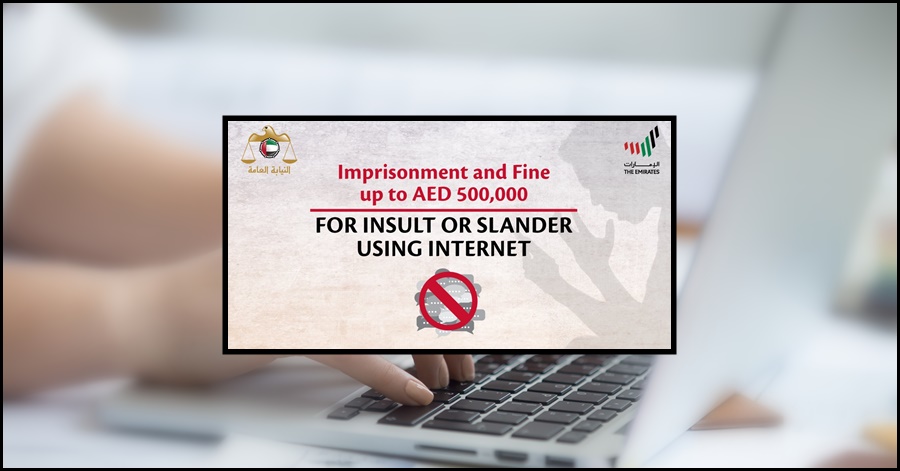
1. Warning on Offensive Social Media Posts
The Dubai Police have issued a crucial public reminder. This warning focuses on the serious consequences of online behavior. Posting offensive content on social media can lead to severe penalties. The police emphasize that the internet is not a law-free zone. Actions on platforms like Facebook, Twitter, and Instagram are fully subject to UAE law. This announcement aims to educate residents and visitors about local cybercrime regulations. It serves as a preventative measure to protect community harmony and individual reputations.
2. Understanding the Legal Risks: Jail Time for Online Insults in the UAE
The legal repercussions for online insults are very serious. Individuals found guilty can face actual imprisonment. The duration of the jail sentence depends on the severity of the offense. UAE courts assess the impact of the insult on the victim and society. Posts that incite hatred or damage social peace are treated with particular strictness. The police warning makes it clear that freedom of expression has clear legal limits. Every social media user must understand these boundaries to avoid criminal charges.
3. Massive Fines Up to Dh500,000 for Social Media Offenses
Financial penalties for cyber insults are equally daunting. The law allows for fines reaching five hundred thousand UAE dirhams. This sum represents a life-changing financial burden for most people. The fine is not a substitute for a jail sentence but can be imposed alongside it. The court determines the exact amount based on the case details. This heavy fine underscores the UAE’s zero-tolerance policy towards cyberbullying and defamation. It acts as a powerful deterrent against irresponsible online speech.
4. How Online Posts Become Direct Evidence in Criminal Court Cases
Social media content is admissible as evidence in UAE courts. Screenshots, direct messages, and even deleted posts can be recovered and presented. Prosecutors routinely use this digital evidence to build strong cases. The police cybercrime unit has advanced tools to trace anonymous accounts. Once a complaint is filed, investigators will collect all related online material. This evidence is often decisive in securing a conviction. The warning confirms that nothing posted online is truly private or beyond the law’s reach.
5. The Broad Definition of ‘Insult’ and ‘Offensive Content’ Under UAE Law
The legal definition of insult in the UAE is comprehensive. It covers any content that harms a person’s dignity, honor, or reputation. This includes written comments, images, memes, and shared videos. Mocking someone’s race, religion, or family can constitute a criminal insult. Threatening language and sexual harassment online are also major offenses. The law protects both individuals and public figures, including government institutions. Users must exercise extreme caution and respect in all their digital interactions.

6. The Role of Dubai Police’s Cybercrime Department in Enforcement
The Dubai Police Cybercrime Department is highly active and skilled. This unit monitors online spaces and investigates public complaints. They operate a dedicated channel for reporting abusive social media content. Their experts can identify users behind fake profiles and pseudonyms. The department works closely with international platforms to remove illegal content. Their proactive and reactive capabilities make enforcement of these laws highly effective. Their public warnings are part of a broader strategy to ensure a safe digital environment.
7. Real-Life Cases: Examples of Prosecutions for Social Media Misuse
There are numerous precedents for these prosecutions. Courts have tried individuals for insulting colleagues, neighbors, and public officials online. One common case involves disputes that begin privately and spill onto public social media. Another frequent offense is posting revenge content after a personal relationship ends. These real cases prove the police warning is based on consistent legal practice. They show that emotional impulses online can lead to long-term criminal records and severe hardship.
8. Protecting Yourself: Legal Do’s and Don’ts for Social Media Users in Dubai
Residents must adopt responsible online habits. Always verify information before sharing it to avoid spreading false claims. Never post in anger or make personal threats, even in jest. Use privacy settings wisely, but remember they do not grant legal immunity. If you are a victim, collect screenshots and report the abuse to police immediately. Do not engage in public arguments that could escalate. Consider every post as a permanent public statement that could be seen by authorities.
9. The Importance of Cultural Sensitivity in a Diverse Society Like the UAE
The UAE hosts over 200 nationalities living together harmoniously. This makes cultural and religious sensitivity paramount. Jokes or criticisms that might be acceptable elsewhere can be deeply offensive locally. The law protects this social fabric vigorously. Understanding local customs and laws is a resident’s responsibility. What is considered free speech in one country may be a prosecutable crime in the UAE. Respect and tolerance are the guiding principles for all public communication, online and offline.
10. Key Steps to Take If You Are a Victim of Online Abuse or Defamation
If you are targeted, act promptly and through proper channels. Do not retaliate online, as this could complicate the legal case. Document everything with clear screenshots showing dates and usernames. File an official report at any Dubai Police station or through their smart app. The Cybercrime Department will guide you through the investigation process. Legal recourse is available, and the authorities take such violations seriously. Protecting your digital dignity is a right supported firmly by UAE law.