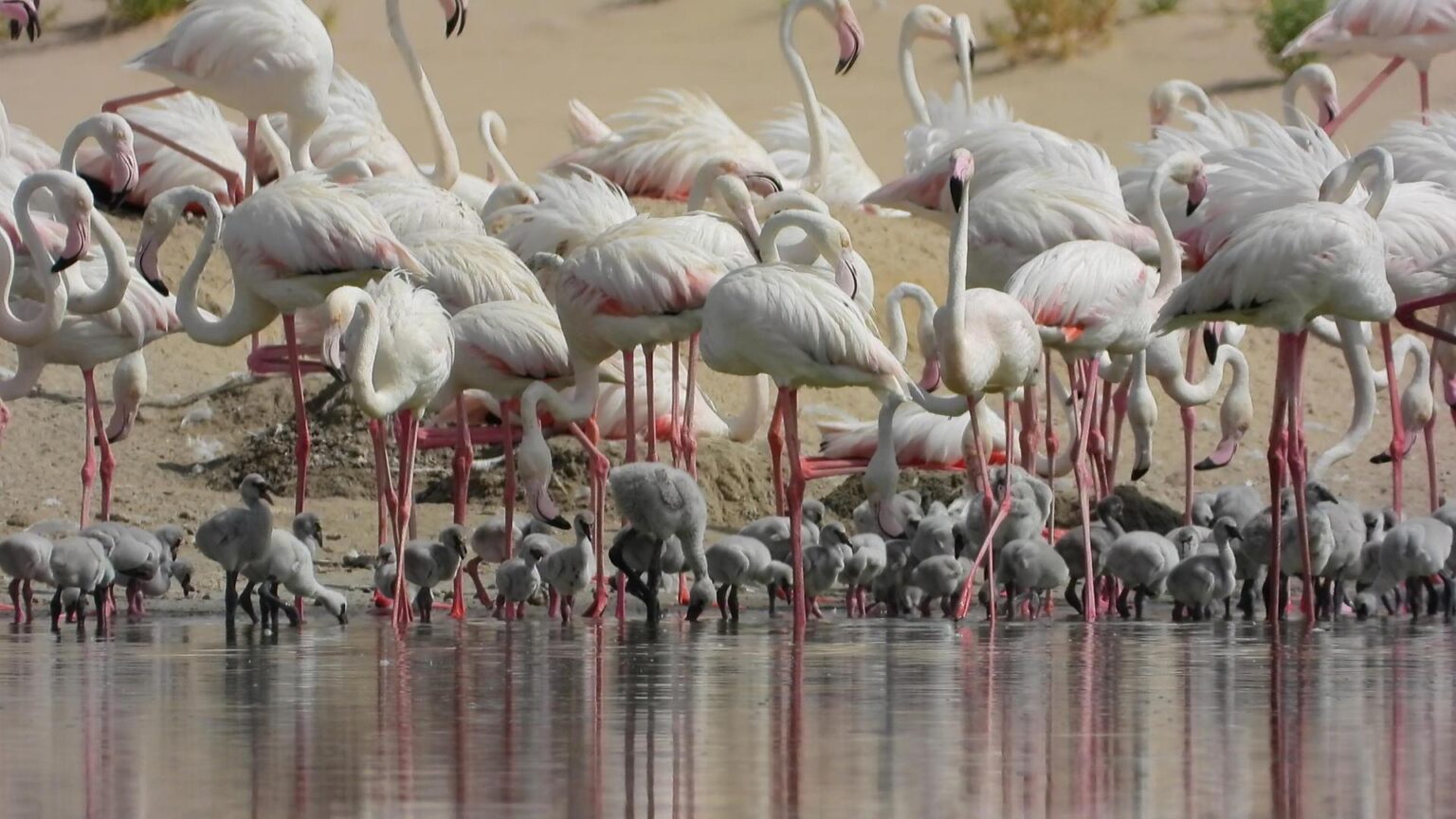
Abu Dhabi bird migration
Abu Dhabi (EAD) underscores the emirate’s vital importance to birds traveling across the planet. New research confirms that Abu Dhabi’s diverse coastal and wetland habitats serve as essential pit-stops for millions of migratory birds. These birds use the emirate as a critical refueling and resting point on their incredible long-distance journeys between continents. The findings come from a detailed coloured-ring monitoring programme that tracks individual birds. This scientific work maps precise migration routes and monitors the health of avian populations, highlighting the UAE’s significant role in global ecological networks and the survival of numerous species.
The Coloured-Ring Programme Tracks Birds Across Continents
The core of the EAD’s research is a sophisticated bird banding initiative. Scientists carefully attach small, lightweight coloured rings to the legs of captured birds. Each ring has a unique code, like a tiny license plate. Trained observers across the world can spot these rings using binoculars or telescopes. When someone resights a ringed bird in another country, they report the code and location to an international database. This simple yet powerful method creates a digital trail for each bird. It shows scientists exactly where the bird has traveled from Abu Dhabi, revealing the full scope of its migratory journey over thousands of kilometers.
Abu Dhabi’s Wetlands are International Rest Stops for Birds
Abu Dhabi’s geographic location makes it a natural hub for bird migration. It lies at the crossroads of major flyways connecting Africa, Europe, and Asia. The emirate’s mangroves, mudflats, and islands provide safe havens with abundant food. Exhausted birds land here to rest, feed on fish and invertebrates, and build strength. This stopover is not a luxury; it is often a matter of life or death for birds completing marathon flights over deserts and oceans. Protecting these habitats in Abu Dhabi directly supports the survival of species that breed in Siberia or winter in Southern Africa, making local conservation a global responsibility.
The Data Reveals Surprising Routes and Conservation Needs
The coloured-ring data paints a detailed picture of avian travel patterns. It shows which species use Abu Dhabi and where they go next. Some birds might head north to breed in Central Asia. Others might continue west into Africa. This information is invaluable for conservation. If scientists notice a population decline, they can check the data. They can see if birds are failing to arrive in Abu Dhabi or if they are disappearing along a specific part of their route. This helps target conservation efforts exactly where they are needed most, whether in the UAE or in a distant country along the flyway.

Monitoring Bird Health is a Key Part of the Programme
The study is about more than just tracking routes. When researchers capture birds to fit rings, they also conduct health checks. They record the bird’s weight, fat reserves, and general condition. They may take tiny feather or blood samples for genetic or disease analysis. This health data provides an early warning system. It can detect the spread of avian diseases, the impact of pollution, or the effects of climate change on body condition. Healthy birds in Abu Dhabi suggest a healthy ecosystem, while signs of stress can prompt investigations into local or global environmental threats.
The Research Supports Global Biodiversity Protection Goals
The EAD’s work contributes to major international environmental efforts. Data from Abu Dhabi feeds into global agreements like the Convention on Migratory Species (CMS). This information helps countries work together to protect shared species. Identifying Abu Dhabi as a critical site strengthens the case for its formal recognition as an Important Bird Area (IBA). This can lead to stronger legal protections for its wetlands. The study demonstrates how local science in the UAE supports worldwide missions to preserve biodiversity and understand our interconnected planet.
How the Public Can Support Migratory Bird Conservation
The success of this research often depends on public participation. Birdwatchers, photographers, and nature lovers can play a direct role. If you see a bird with a coloured ring, you can report it. Note the colour combination, the code on the ring, the date, location, and species if possible. Submit this information through official channels like the EAD website or international ringing schemes. Every public sighting adds another crucial data point. It helps complete the migration story for that individual bird, turning a casual observation into a valuable contribution to international science and conservation.
Abu Dhabi: A Guardian of the Global Flyways
The EAD study firmly places Abu Dhabi on the world map of critical wildlife conservation. It moves the emirate from being just a location on a map to an active, scientifically-informed guardian of global bird migration. The coloured-ring programme proves that protecting local habitats has far-reaching international benefits. As climate change and development pressure threaten migratory routes, the data from Abu Dhabi becomes even more essential. It guides smart, evidence-based decisions to ensure that these incredible travelers continue to find a safe haven in the UAE for generations to come, securing Abu Dhabi’s legacy as a leader in regional environmental stewardship.