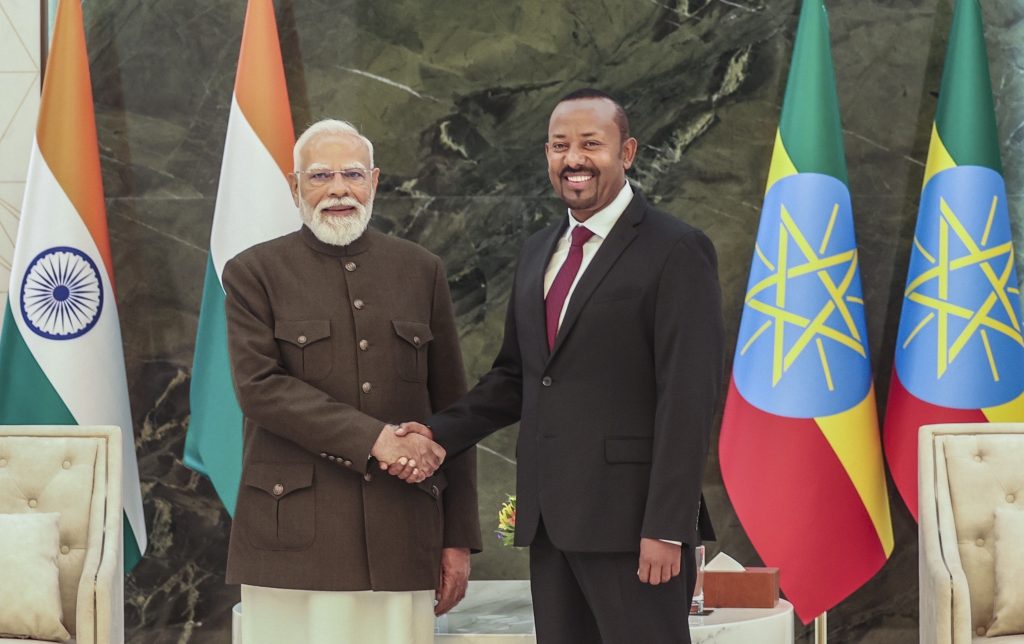
1. Strengthen Strategic Ties
The Ethiopian Prime Minister met Prime Minister Narendra Modi to renew cooperation between both nations. The leaders spoke with warmth and clarity. They focused on shared goals. They highlighted long-standing friendship. They stressed mutual respect. They aimed to deepen political trust. They discussed future growth. They emphasized regional stability. They showed unity on global platforms. They signaled stronger ties ahead. The meeting reflected growing importance of India and Ethiopia relations.
2. Boost Bilateral Cooperation
Both countries signed several key agreements during the meeting. Officials exchanged documents with confidence. The deals covered vital sectors. The leaders approved cooperation plans. They focused on long-term benefits. They ensured clear frameworks. They committed to joint action. The agreements showed intent. They reflected shared priorities. They aimed to turn dialogue into delivery.
3. Ease Trade and Logistics
India and Ethiopia signed a customs cooperation agreement. The deal aims to simplify trade processes. It improves cargo movement. It reduces delays. It enhances transparency. It supports exporters and importers. It strengthens supply chains. It encourages business confidence. It supports economic growth. It creates smoother borders. It helps both economies trade faster and safer.
4. Digital Partnership
The two sides signed a data centre cooperation agreement. The deal supports digital infrastructure growth. It improves data management. It boosts cyber capacity. It strengthens digital governance. It supports innovation. It helps Ethiopia modernize systems. It opens doors for Indian technology firms. It supports secure data use. It signals trust in digital collaboration.
5. Peacekeeping Cooperation
India and Ethiopia agreed to deepen peacekeeping cooperation. Both nations support global peace missions. They share experience. They train forces. They promote stability. They respect international law. They support UN mandates. The agreement strengthens coordination. It improves training standards. It enhances joint learning. It reflects shared responsibility for global peace.
6. South-South Cooperation
Both Prime Ministers highlighted South-South cooperation. They emphasized development partnerships. They focused on capacity building. They promoted knowledge sharing. They supported inclusive growth. They encouraged mutual learning. They rejected dependency models. They backed equal partnerships. They aimed to empower developing nations. Their message stressed unity among Global South countries.
7. Fresh Momentum
The leaders discussed economic expansion. They focused on trade growth. They encouraged investments. They supported private sector roles. They promoted infrastructure projects. They highlighted energy cooperation. They welcomed startups. They backed innovation. They aimed for balanced trade. They planned stronger economic engagement.
8. Africa-India Partnership
The meeting strengthened Africa-India relations. Ethiopia plays a key role in Africa. India supports African growth. Both sides stressed people-first development. They backed education projects. They supported health cooperation. They encouraged skill development. They focused on sustainable growth. They promoted regional peace. They deepened continental cooperation.
9. Clear Message
The meeting sent a clear diplomatic message. Both nations value partnership. They respect sovereignty. They support dialogue. They avoid conflict. They promote stability. They align on global challenges. They support multilateralism. They stand for development. They commit to peaceful cooperation. Their unity gained global attention.
10. Future Roadmap
India and Ethiopia outlined a future roadmap. They planned regular dialogue. They set follow-up mechanisms. They encouraged implementation. They focused on results. They aimed for measurable progress. They backed long-term vision. They committed to shared prosperity. They strengthened diplomatic ties. They prepared for future challenges together.