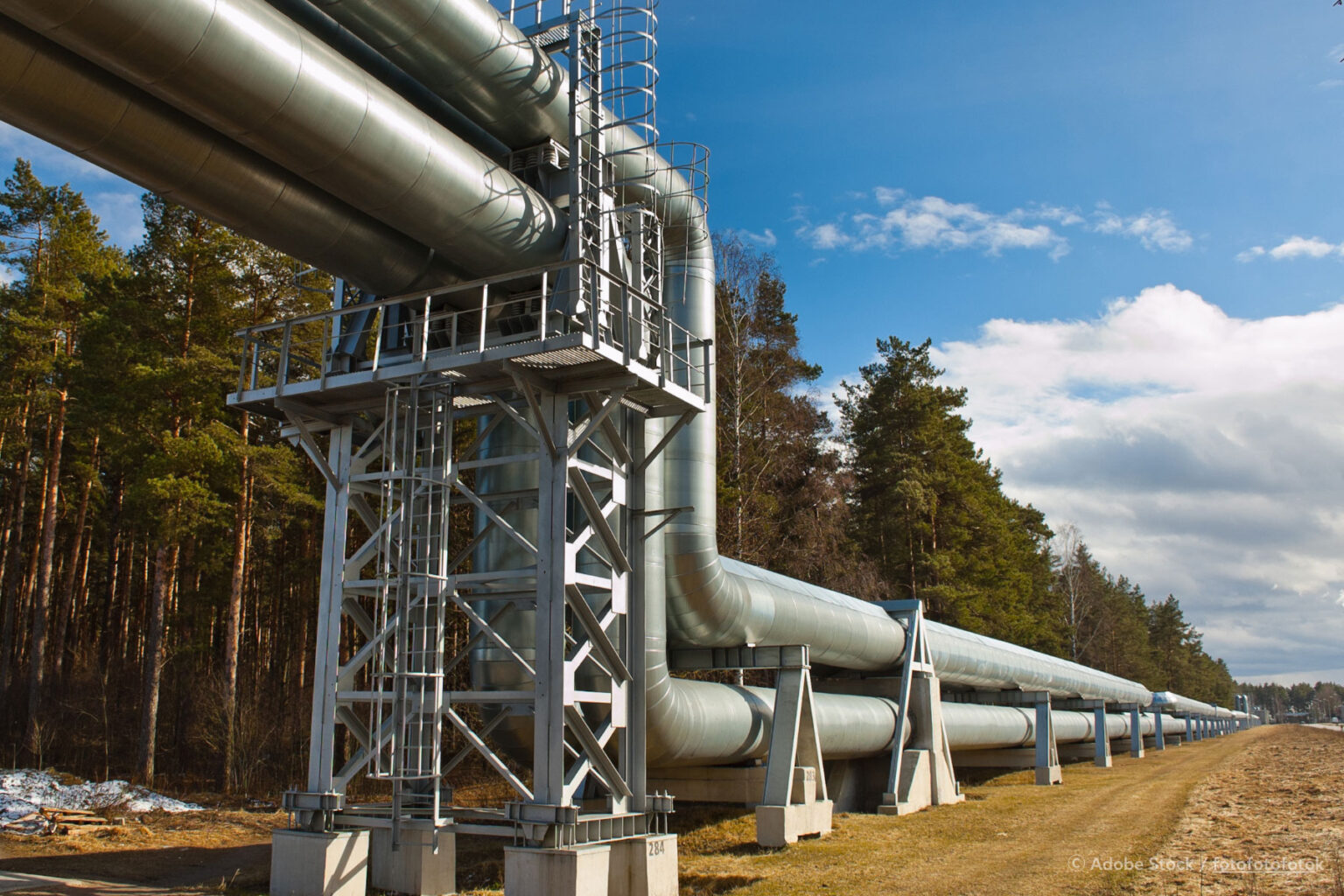
EU Signs Ban on Russian Gas Into Law
The European Union has officially passed a historic new law. This law completely bans the import of Russian gas. All 27 member states of the EU agreed to this final decision. The law mandates a full “phase out” of pipeline gas and liquefied natural gas (LNG) from Russia. This action is a major escalation in economic sanctions against Russia. It aims to cut a massive source of funding for the Russian war effort. The decision will reshape Europe’s energy landscape for decades to come. European leaders call this move essential for the continent’s security and moral standing. The law provides a legal framework to eliminate dependence on Russian energy entirely.
Unanimous Agreement From All 27 EU Member States
Every single country in the European Union supported the new law. This unanimous agreement shows a rare and powerful unity among member states. Diplomats worked for months to secure this deal. Some countries that were heavily reliant on Russian gas secured transition periods and support. The final vote marks the end of a long and difficult negotiation process. The unity sends a strong political message to the Kremlin. It proves that Europe remains steadfast in its support for Ukraine. The collective action is more impactful than any single nation’s sanctions.
What the Phase-Out Law Actually Requires
The new law creates a legally binding schedule for ending Russian gas imports. It does not stop the gas immediately from one day to the next. Instead, it sets a structured and mandatory timeline for a complete phase-out. Member states and energy companies must follow this timeline. They must find alternative gas supplies and increase energy efficiency. The law also includes a specific ban on new contracts for Russian LNG. Existing contracts for pipeline gas cannot be renewed. This systematic approach aims to prevent energy shortages and price spikes.
Targeting Both Pipeline Gas and Russian LNG Imports
The law is comprehensive and covers all types of Russian gas. It targets the traditional pipeline gas that flows through Ukraine and other routes. It also explicitly includes liquefied natural gas (LNG) shipped by tanker. Russian LNG imports to the EU had actually increased after the pipeline cuts. This new law closes that major loophole. It ensures Russia cannot simply shift its gas sales from pipelines to ships. The dual focus makes the sanction much more effective and difficult to bypass.
 Economic Impact and the Search for New Energy Sources
The ban will have significant economic consequences for both Europe and Russia. Europe must now accelerate its search for reliable alternative energy. This means more imports of LNG from the United States, Qatar, and other suppliers. It also means a faster push for renewable energy like wind and solar power. Energy prices in Europe may experience some volatility during the transition. For Russia, the loss of the European gas market is a catastrophic financial blow. Its main source of income for the state budget is now severely damaged.
Global Reaction and Energy Market Shifts
Countries around the world are reacting to this major decision. Ukraine and its allies have praised the EU’s decisive action. Russia has condemned the move and threatened unspecified consequences. Global energy markets are already adjusting to this permanent change. Gas tankers are being redirected to new ports. International energy companies are making new long-term supply deals. The EU’s action encourages other nations to also reduce their Russian energy imports. It sets a new global standard for economic pressure in conflict.
Next Steps for European Energy Security and Independence
The immediate focus for the EU is securing enough gas for the next winter. The long-term goal is total energy independence from Russia. The new law is a key part of the EU’s REPowerEU strategy. This strategy invests billions of euros in clean energy and infrastructure. The ban accelerates Europe’s green transition out of necessity. The next few years will involve building new LNG terminals and improving energy grids. The final phase-out of Russian gas marks the beginning of a new, more secure energy chapter for Europe.