Europe Plans Trade Bazooka
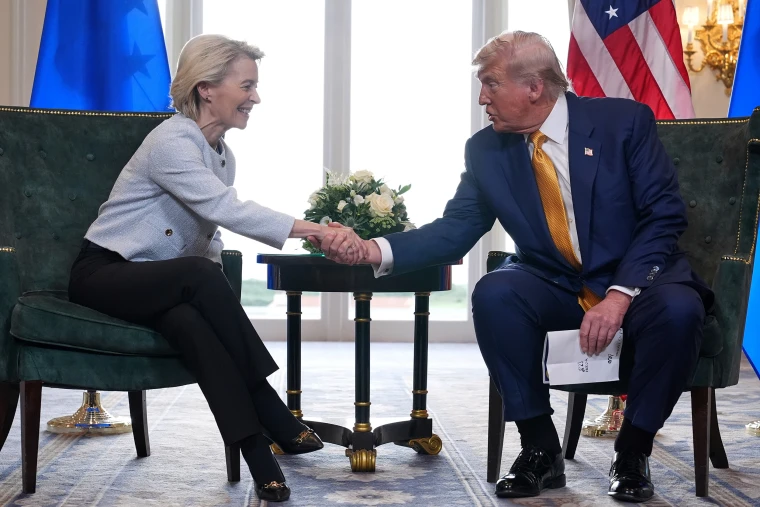
European leaders are preparing a strong response. Former President Donald Trump is applying new pressure. He is focusing again on the idea of purchasing Greenland. He is also repeating major threats on trade tariffs. This combination is alarming capitals across Europe. Officials are now discussing a powerful trade “bazooka.” This means a large set of countermeasures. The goal is to protect European interests and unity. The situation is becoming a serious flashpoint in transatlantic relations.
Trump Reignites Greenland Purchase Ambitions
Donald Trump has renewed his interest in Greenland. He famously considered buying the island during his presidency. He is now making it a key issue again. Greenland is a vast, autonomous territory of Denmark. It has strategic importance in the Arctic. The Danish government has always rejected the idea of a sale. They say Greenland is not for sale. Trump’s renewed push is seen as a direct challenge. It disregards the wishes of both Denmark and the Greenlandic people.
New Tariff Threats Alarm European Economies
At the same time, Trump is threatening huge new tariffs. He has discussed imposing a 10% universal tariff on all imports. He has also mentioned tariffs of 60% or more on goods from China. Europe fears it could be a major target. These threats create great uncertainty for European businesses. Companies are worried about the cost of selling goods to the United States. Leaders worry about damage to the European economic recovery.
The European ‘Bazooka’ Response Takes Shape
In response, Europe is designing its own trade weapon. Officials are calling it a “bazooka.” This refers to a powerful and ready package of retaliatory measures. The plan likely includes targeted tariffs on iconic American goods. It may also involve complaints to the World Trade Organization. The European Union has used such measures before. They aim to show that aggression will meet a firm and costly response. The goal is to deter the United States from starting a full trade war.
 Denmark Feels Immediate Pressure and Insult
Denmark is at the center of the initial crisis. The Danish people and government feel deeply insulted. Treating an autonomous nation as a real estate deal is offensive. It shows a lack of respect for alliances and sovereignty. This pressure is pushing Denmark closer to its EU partners. It is strengthening the argument for a united European front. No single country can stand up to such pressure alone. Solidarity is now the most important currency in Europe.
The Strategic Arctic Battlefield
The fight is about more than just land or tariffs. It is about control and influence in the Arctic. Greenland’s location is becoming increasingly important. Melting ice is opening new shipping routes. There are valuable minerals under the ice. Russia and China are also increasing their activity there. Europe views Greenland as part of its strategic neighborhood. Allowing American domination there is unacceptable. Europe must defend its geopolitical interests in the High North.
Preparing European Businesses for Conflict
Business leaders are receiving warnings from governments. They are told to prepare for possible trade disruption. Companies are reviewing their supply chains. They are looking for ways to reduce dependence on the US market. The European Commission is accelerating plans for economic independence. This includes investing in key technologies within Europe. The lesson is clear: Europe cannot rely on a unpredictable partner. It must build its own strength and resilience.
A Defining Moment for European Sovereignty
This crisis presents a major test for Europe. It challenges the EU’s ability to act as one powerful bloc. A weak response would invite more pressure. A strong, united response could define a new era. In this era, Europe protects its interests without hesitation. The coming weeks will reveal the continent’s true resolve. The world is watching to see if Europe will use its trade “bazooka” or back down. The decision will shape international relations for years.
The situation remains very tense and unpredictable. Europe hopes the threats are just negotiation tactics. But they must prepare for a real economic conflict. The unity of twenty-seven member states is their greatest weapon. The coming months will determine the future of EU-US relations. The era of automatic friendship appears to be over. A new chapter of competition and firmness is beginning. Europe is finally loading its economic weapons for a fight it did not want but now must prepare to win