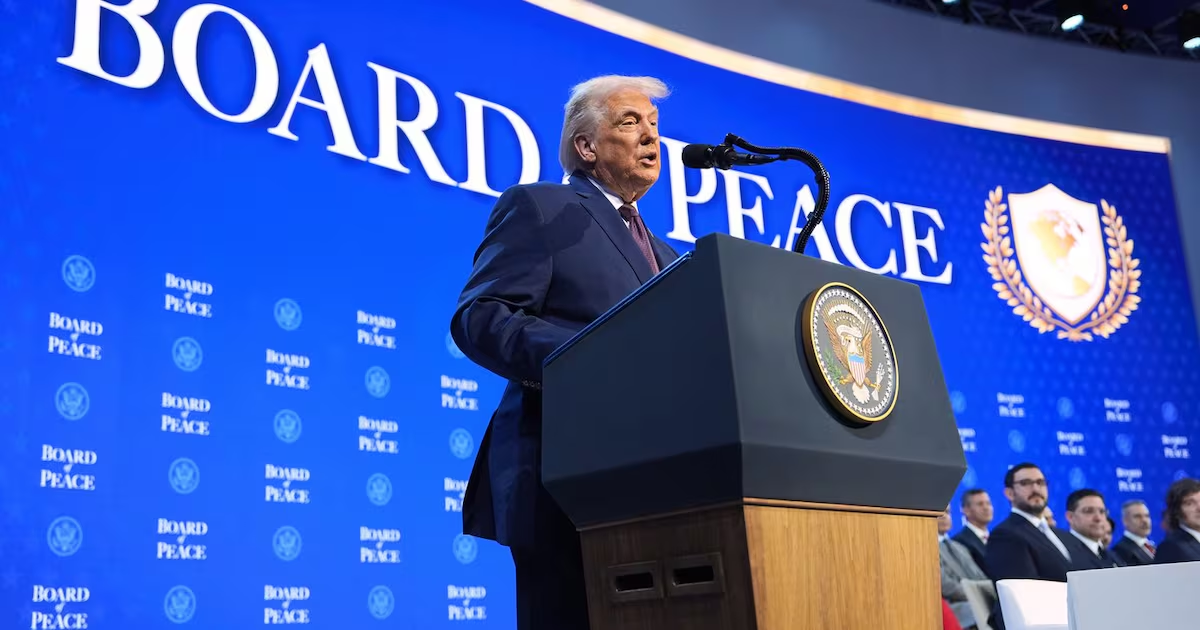
Trump’s ‘Board of Peace’ Plan
Former President Donald Trump has introduced a major new foreign policy idea. This idea is called the “Board of Peace.” The proposal is now drawing intense attention from world leaders and analysts. Supporters of the plan view it as an innovative mechanism to manage conflicts. They suggest it could oversee complex situations like the war in Gaza. Critics of the plan see significant risks and potential overreach. They question its legality and practical effectiveness. The concept sits at the center of Trump’s vision for a more transactional and unilateral American role on the world stage, sparking debate about the future of international diplomacy.
The Core Concept of the Board of Peace
Trump’s Board of Peace is envisioned as a powerful new executive body. It would operate directly under the authority of the US President. The board’s stated mission is to resolve long-standing international conflicts. It would focus on areas where traditional diplomacy has failed. The board would reportedly have the power to mediate disputes, oversee ceasefire implementations, and even manage post-conflict administration. Supporters frame it as a business-like approach to peace, bypassing slow-moving institutions like the United Nations. The board’s potential to act unilaterally is its most defining and controversial characteristic.
The Proposed Role in Gaza Conflict Oversight
A primary example of the board’s intended function involves the Middle East. Trump and his advisors have suggested the Board of Peace could take a direct role in Gaza. This role might include overseeing the distribution of aid, managing reconstruction efforts, or even supervising security arrangements after the current war ends. The proposal implies a unprecedented level of direct American administrative control over a foreign conflict zone. Proponents argue only a powerful, focused US-led body can enforce a lasting solution. Opponents warn this could amount to a form of neo-colonial governance and ignite further regional resentment.
Expansion to a Broader Global Conflict Mediation Role
The board’s scope is not limited to Gaza. Trump’s vision positions it as a tool for global conflict resolution. Other potential areas of operation could include the war in Ukraine, tensions in the South China Sea, or disputes in the Balkans. The board would theoretically deploy teams of negotiators, security experts, and administrators to crisis zones. It aims to cut through bureaucratic red tape and political gridlock. This expansive ambition frames the United States not just as a diplomatic player, but as the world’s primary arbiter and executive manager of peace, a dramatic shift in international relations theory.
 Supporters’ View: A Pragmatic Mechanism for Action
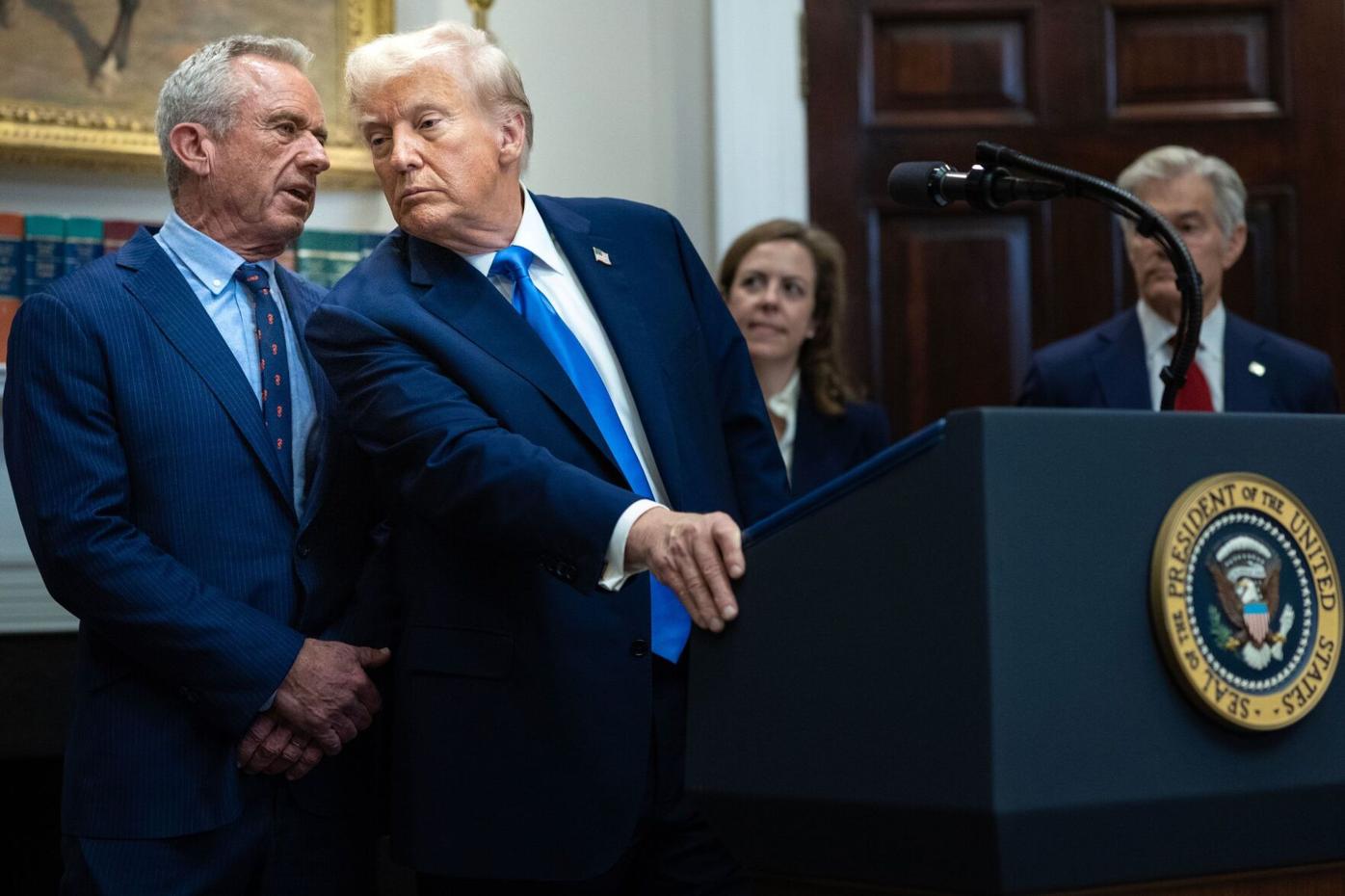
Advocates for the Board of Peace praise its direct, results-oriented approach. They argue that multinational institutions are often too slow and politicized to stop violence. A US-led board could make quick decisions and enforce them with American economic and diplomatic power. Supporters see it as a pragmatic solution for a chaotic world. They believe it could finally deliver tangible outcomes in frozen conflicts. For them, the board represents a bold return to a doctrine of American strength and decisive leadership, where the US actively shapes outcomes rather than just participating in talks.
Critics’ Concerns: Risks and Legal Challenges
Detractors of the plan raise serious alarms. They question the legal authority for a US president to unilaterally establish such a powerful body. They fear it could violate national sovereignty laws and international norms. Critics also warn of mission creep and unintended long-term entanglements. Assigning the US to administrate foreign territories is a massive responsibility with huge costs and risks. Furthermore, the board’s effectiveness would depend entirely on the judgment and interests of the sitting president, making global peace subject to domestic US politics and electoral cycles, which many see as a dangerous vulnerability.
The Impact on Traditional Alliances and Diplomacy
The Board of Peace concept threatens to disrupt the existing world order. Traditional allies in Europe and Asia rely on structured alliances like NATO and mutual treaties. A unilateral US peace board could sideline these partners and the United Nations Security Council. It might create a two-tier system where some conflicts get board attention and others are ignored based on American interest. This could weaken collective security arrangements that have prevented major wars for decades. The proposal signals a potential move away from multilateral cooperation toward a more solitary, power-based American foreign policy.
The Road Ahead: Feasibility and Political Hurdles
Implementing the Board of Peace would face immense practical and political challenges. It would require substantial funding and personnel approved by the US Congress. Many lawmakers would be deeply skeptical. The international community would likely offer strong resistance to any perceived infringement on sovereignty. Even if established, its success would depend on the voluntary cooperation of conflict parties, which is never guaranteed. The board remains a proposal, but its serious discussion reframes the debate on America’s role in the world, forcing a global conversation about the methods and morality of imposing peace.
Trump’s Board of Peace is more than a policy idea; it is a statement of intent. It captures his disruptive approach to global affairs. The plan attracts global attention because it promises decisive action but carries profound uncertainty. It forces a fundamental question: is peace best achieved through collective international institutions or through the concentrated power of a single nation? As the world watches, the debate over this board will define key battles in the upcoming US election and shape perceptions of American leadership for years to come, making it one of the most consequential foreign policy topics in modern politics.