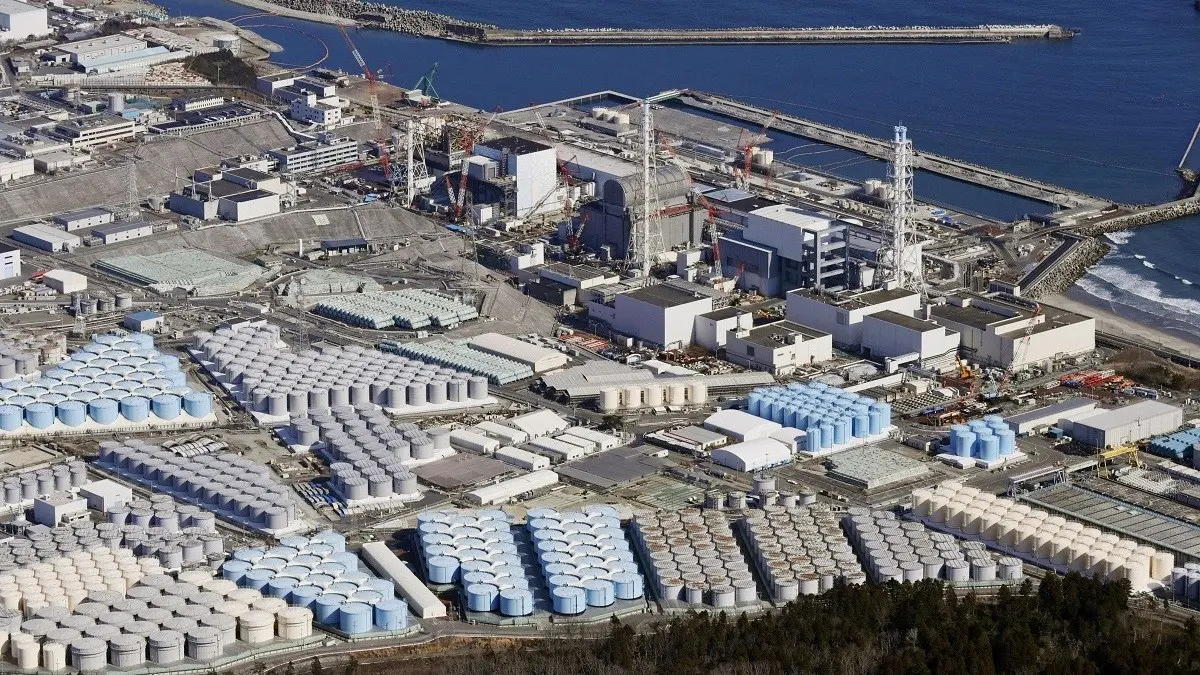
Hamaoka Nuclear Plant
Japan’s Hamaoka Nuclear Power Plant is under renewed investigation. The plant is owned and operated by the Chubu Electric Power Company. Officials are concerned about the facility’s safety standards. The specific focus is on the plant’s preparedness for major seismic activity. A new probe will examine if earthquake risks were properly assessed. This review follows questions about the data used in safety calculations.
Chubu Electric Power
The Japanese regulatory body is now probing Chubu Electric Power. Investigators will look at all earthquake risk data for the Hamaoka plant. There is a suspicion that seismic dangers were underestimated in past reports. The company must provide all historical safety assessments. The probe aims to determine if data inaccuracies exist. The results could lead to new safety requirements or operational changes.
Hamaoka Plant’s Vulnerability
The Hamaoka plant’s location is a primary source of concern. It sits directly above a major tectonic plate boundary. This area is known as the Tokai region. Seismologists predict a high probability of a large earthquake in this zone. The plant was built with this specific risk in mind. However, evolving geological science suggests earlier models may be outdated. Current data might show much stronger quakes are possible.
Underestimated Seismic Ground Motion
A core part of the investigation involves seismic ground motion estimates. Older safety evaluations used certain maximum ground motion predictions. New geological studies suggest these predictions were too low. Underestimating the ground shaking is a serious safety failure. It means the plant’s buildings and equipment may not be strong enough. They could fail during a quake larger than what was planned for.
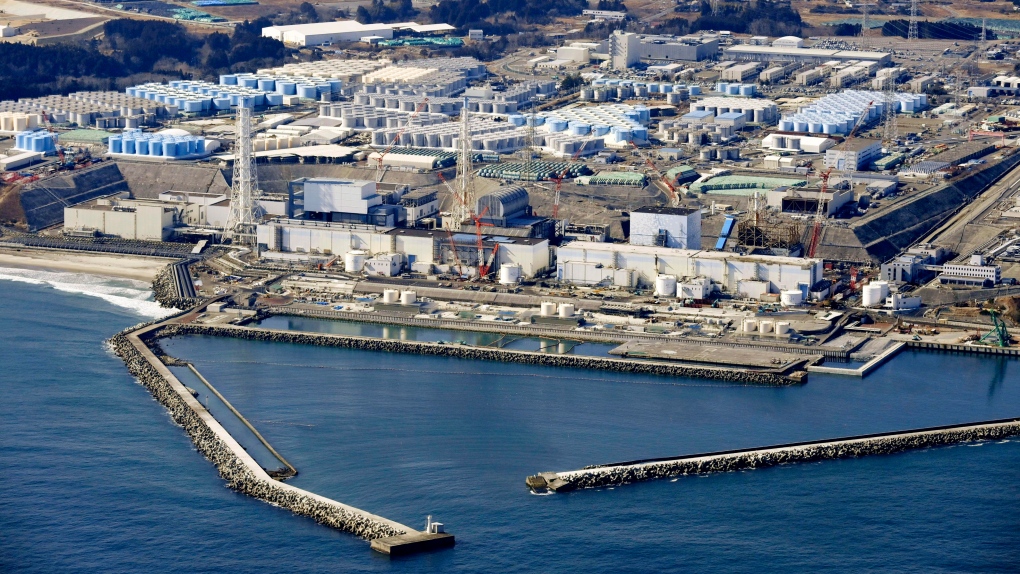 Current Nuclear Safety Reviews
The 2011 Fukushima nuclear disaster directly influences this new probe. That disaster was triggered by a massive earthquake and tsunami. Japanese regulators vowed to apply stricter safety standards after Fukushima. All nuclear plants must now meet tougher seismic guidelines. The Hamaoka review is part of this nationwide reassessment. The goal is to prevent any repeat of a catastrophic nuclear accident.
Consequences for Chubu Electric and Hamaoka Operations
The probe could have significant consequences for Chubu Electric. If serious data flaws are found, the company may face large fines. Public trust in the utility could be severely damaged. The Hamaoka plant may be required to install new reinforcement structures. Its reactors might remain shut down for a longer period. The financial cost of necessary safety upgrades could be enormous.
The Role of Japan’s Nuclear Regulation Authority
Japan’s Nuclear Regulation Authority is leading this investigation. The NRA is the country’s independent nuclear watchdog. It was created after the Fukushima disaster to enforce stricter rules. The authority has the power to order safety upgrades and suspend operations. Its experts will analyze Chubu’s technical data and geological reports. Their final assessment will determine the plant’s future.
What Updated Seismic Data Means for Long-Term Plant Safety?
Updated seismic data could drastically change the risk profile. Modern technology provides more accurate underground fault mapping. This new information might show previously unknown fault lines. It could also indicate that known faults are longer or more active. The plant’s entire disaster preparedness plan may need revision. Long-term safety depends on building defenses against the worst realistic scenario.
Concerns Surrounding the Hamaoka Facility
Local communities have expressed deep concern for decades. The city of Omaezaki is located very close to the Hamaoka plant. Residents fear the consequences of a major accident. Environmental groups also highlight the potential for contamination. A significant earthquake could damage reactor containment structures. This could release radioactive material into the air and the nearby Pacific Ocean.
The Global Implications for Nuclear Energy
The outcome of this probe has implications beyond Japan. Countries worldwide operate nuclear plants in earthquake-prone zones. The findings will influence global seismic safety standards. They highlight the need for continuous data review and infrastructure updates. The nuclear industry must prioritize evolving scientific understanding. Managing seismic risk is a non-negotiable part of safe nuclear power generation.