Introduction
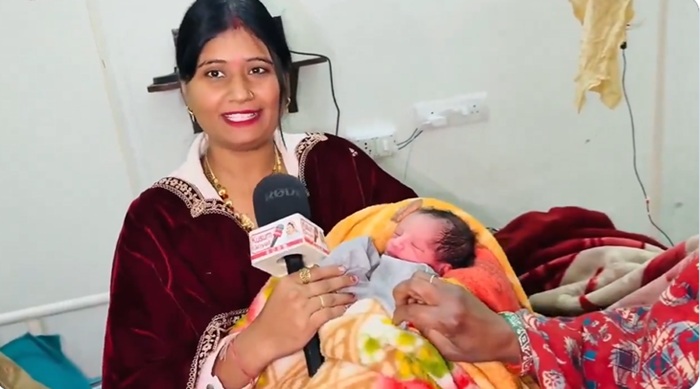
A woman in the Indian state of Haryana has given birth to a baby boy. This birth followed the births of her ten older daughters. The delivery was classified as high-risk by medical professionals. Both the mother and the newborn son are now reported to be in good health and recovering well.
This event has drawn significant attention across India. It highlights complex issues of family, gender, and healthcare in rural communities. The story raises questions about persistent social pressures for a male child. It also showcases the advances in medical care that can manage such complex pregnancies successfully. The family’s journey is one of both personal hope and broader social reflection.
A Long-Awaited Arrival for the Family
The mother, whose identity is protected, comes from a rural area in Haryana. She and her husband had welcomed ten daughters into their family over the years. The desire for a son remained strong due to deep-rooted social and cultural norms in parts of North India. The recent pregnancy brought both hope and heightened medical concern. The family’s situation became widely known in their local community as the pregnancy progressed.
Navigating a High-Risk Pregnancy
Doctors immediately flagged this pregnancy as high-risk. The mother’s age and her history of multiple previous pregnancies increased potential complications. These can include issues like anemia, high blood pressure, and difficulties during labor. She received specialized prenatal care at a district hospital. Medical teams monitored her condition closely for months. They prepared thoroughly for the delivery to ensure the best possible outcome for both mother and child.
The Successful Delivery and Medical Care
The delivery took place at a government hospital with full emergency facilities. A team of experienced gynecologists and nurses managed the procedure. They were ready to handle any complications that might arise. The delivery proceeded successfully despite the risks. The medical team confirmed the birth of a healthy baby boy. They stated that the mother remained stable throughout the process. Their skilled intervention was crucial to the positive result.
Post-Delivery Health and Recovery
Hospital reports confirm that both patients are doing well. The newborn boy is under standard postnatal observation. He shows no signs of immediate health issues. The mother is recovering from the delivery in the hospital ward. She is receiving necessary postnatal support and care. Doctors expect to discharge them once they are confident in their stability. The family is overjoyed with the new addition after their long wait.
The Social Context of Son Preference
This story cannot be separated from its social background. Haryana has one of India’s most skewed child sex ratios. A strong cultural preference for male children persists in many families. Sons are often seen as financial providers and carriers of the family lineage. This pressure leads some families to keep having children until a boy is born. The government has implemented laws against sex-selective abortion. Yet, the desire for a son continues to influence family planning decisions in some communities.
Public Reaction and Ethical Debates
The news has sparked widespread discussion on social media and in news outlets. Many people celebrate the safe delivery and the mother’s health. Others express concern about the pressures that led to eleven pregnancies. Commentators debate the ethics of bringing a child into the world primarily to fulfill a gender-based desire. The story also puts a spotlight on the need for continued education about gender equality and reproductive health in India.
A Story of Resilience and Medical Progress
At its heart, this is a story of a mother’s resilience and modern medical capability. It shows how healthcare systems can support women through dangerous pregnancies. It also serves as a reminder of the work still needed to change deep-seated social attitudes. The healthy outcome is a victory for the doctors and the family. The broader conversation it inspires may contribute to slow, steady social change in the years to come.