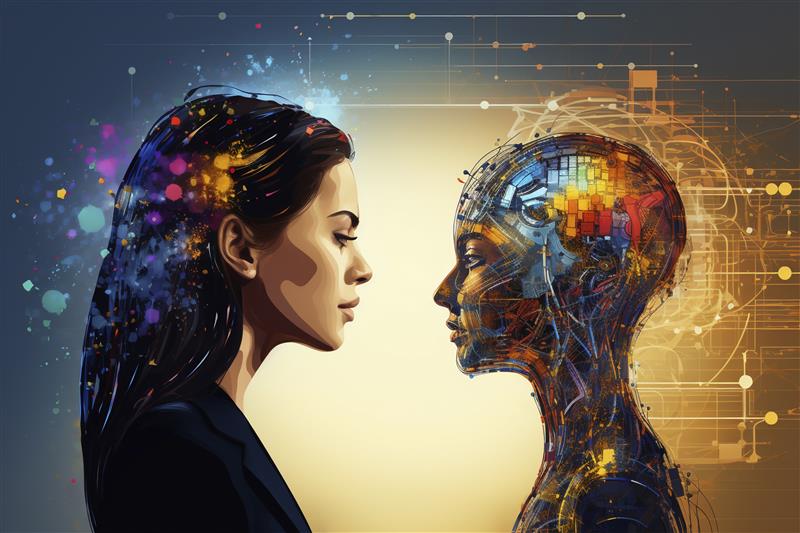
1. Emotionally intelligent AI enters the workplace
Emotionally intelligent AI is changing how people work every day. Companies now use AI that understands tone and emotion. Systems analyze voice and text patterns. Tools respond with empathy and clarity. This shift marks a new phase in workplace technology. AI no longer acts like a cold machine. AI now behaves like a supportive assistant. This change reshapes daily work culture. It also changes how teams communicate. Many firms already adopt this technology. The trend grows fast across industries.
2. AI learns to understand human emotions
AI models now read emotional signals accurately. Systems study facial cues and language patterns. They detect stress and fatigue early. Managers receive insights in real time. Employees get support faster. AI flags burnout risks quietly. It encourages timely action. This improves mental well-being at work. Teams feel heard and valued. Emotional awareness becomes data-driven. Technology strengthens human understanding.
3. Human-centered AI leads workplace change
Companies now focus on human-centered AI design. Developers train systems to support people. AI assists instead of replacing workers. Tools enhance decision-making. Employees stay in control. This balance builds trust. Workers accept AI more easily. Productivity rises steadily. Collaboration improves across teams. Human values guide innovation.
4. AI improves communication and teamwork
Emotionally intelligent AI improves workplace communication. Systems suggest better word choices. AI reduces conflict in emails. Chat tools adjust tone automatically. Meetings become more inclusive. Quiet voices gain attention. Team morale improves gradually. Leaders make better decisions. Communication gaps shrink fast. Collaboration becomes smoother.
5. Smarter leadership with emotional insights
Leaders now rely on AI-driven emotional insights. Dashboards show team sentiment trends. Managers understand team mood clearly. They adjust workloads quickly. Leadership becomes proactive. Trust grows between teams and managers. AI supports fair evaluation. Bias reduces through data. Decisions feel balanced. Leadership becomes more human.
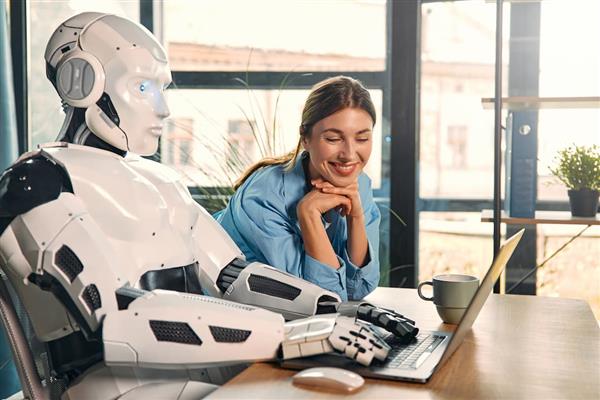
6. AI boosts productivity without pressure
Emotionally intelligent AI boosts output gently. Systems suggest breaks when stress rises. Workflows adapt automatically. AI prevents overload. Employees stay focused longer. Performance improves naturally. Satisfaction rises steadily. Burnout rates decline. Balance becomes possible. Productivity feels sustainable.
7. Ethical AI shapes future workplaces
Ethical use of AI remains crucial. Companies protect employee privacy. Data stays secure and limited. Transparency builds confidence. Employees know how AI works. Rules guide responsible use. Trust remains strong. Ethics shape adoption strategies. Regulation supports fairness. AI grows responsibly.
8. AI and humans work as partners
The future favors collaboration. Humans provide creativity and judgment. AI offers speed and insight. Together they perform better. Workflows blend skills seamlessly. Employees feel empowered. AI handles repetitive tasks. People focus on meaning. Partnership defines success. Work becomes more fulfilling.
9. Future-ready workplaces embrace emotional AI
Future-ready workplaces invest in emotional AI early. They train teams to use tools wisely. Companies adapt faster to change. Employee engagement stays high. Innovation accelerates. Culture remains resilient. These firms attract top talent. Retention improves steadily. Emotional intelligence becomes a competitive edge.
10. The future of work feels more human
Emotionally intelligent AI reshapes the future of work. Technology now understands people better. Workplaces feel supportive and fair. Employees feel valued and respected. AI enhances humanity instead of replacing it. Progress stays balanced. The future of work looks human. The future of work looks smart.